Johannesburg & Soweto —
the heart of South Africa's story
The final days of our journey take us to the city and township that shaped modern South Africa. Johannesburg, the economic engine of the nation. Soweto, the most metropolitan township in the country, setting trends in politics, music and culture. The homes of Nelson Mandela and Bishop Desmond Tutu. And the Apartheid Museum — one of the most powerful and important museums we have ever visited. Days that are essential to understanding South Africa not just as a beautiful destination, but as a country with deep historical complexity and extraordinary resilience.
Soweto — setting trends in politics, music and culture
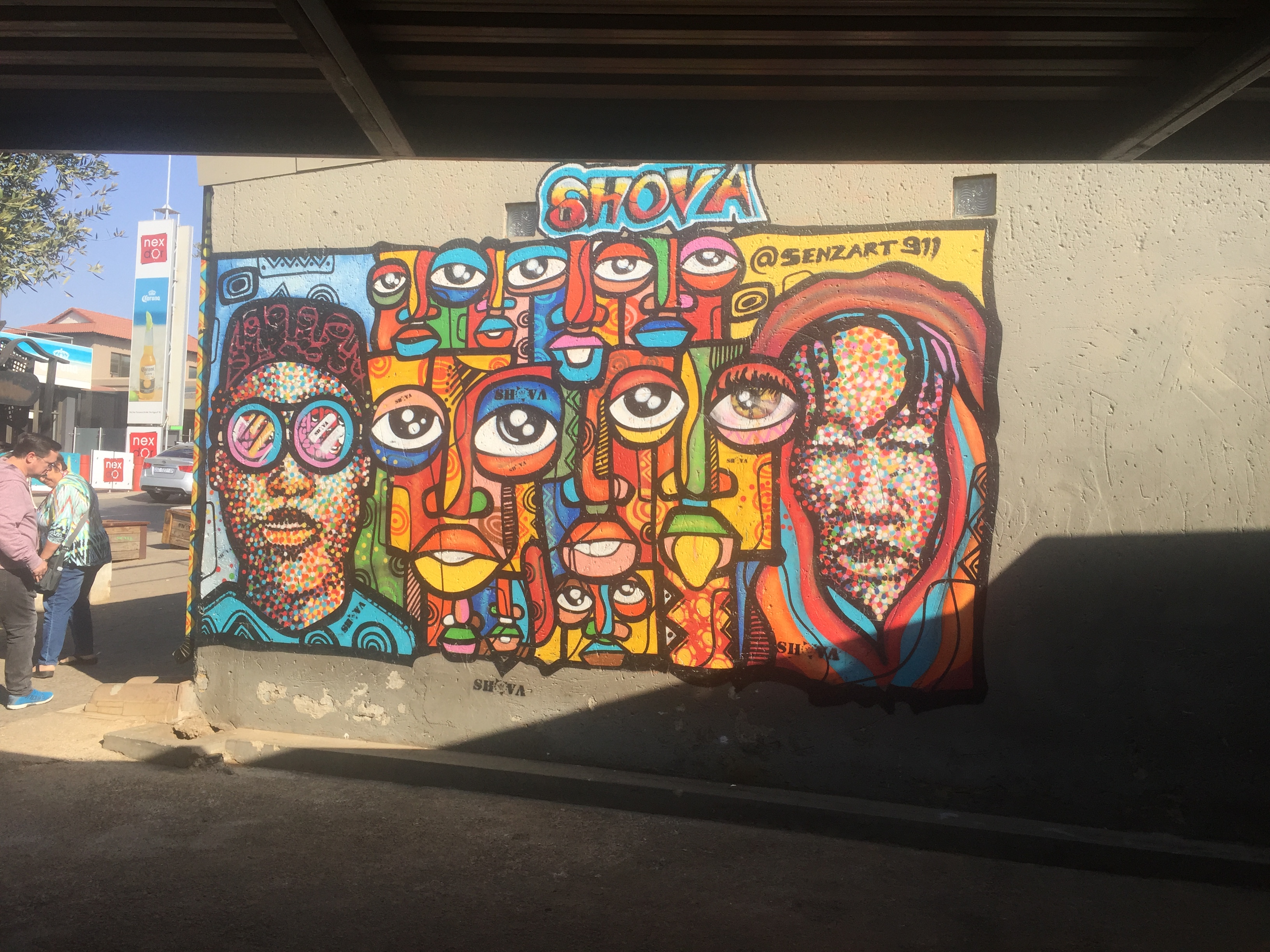
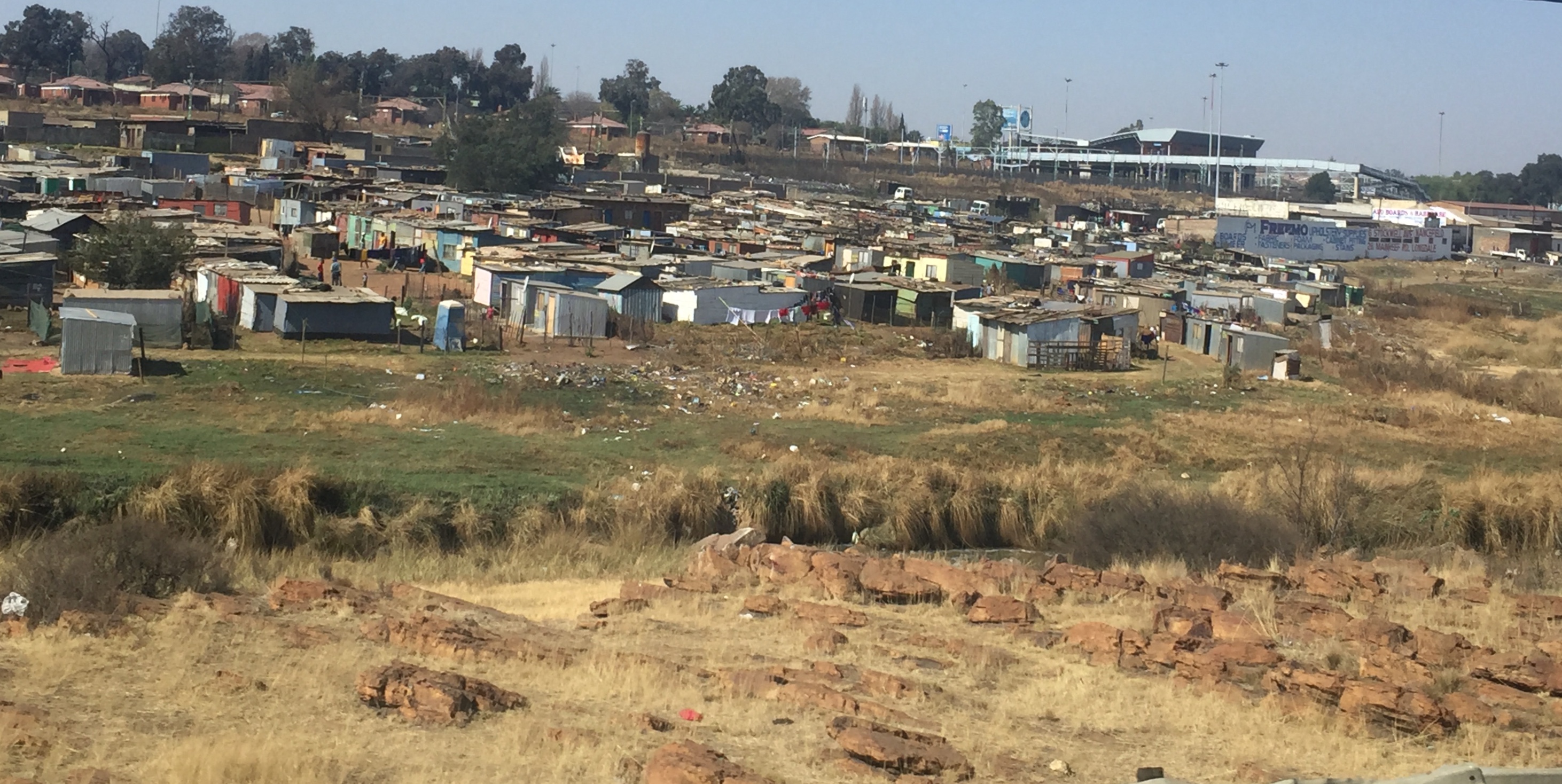
Soweto stands for "South Western Townships" — the sprawling residential area created during apartheid to house Black workers serving the white city of Johannesburg. But Soweto is far more than that history suggests. It's a city within a city — over 1.5 million people — that has been the wellspring of South African culture, music, resistance and resilience.
Soweto is where South Africa's political resistance to apartheid was most organised and most powerful. It's where the Soweto Uprising of 1976 (when young students protested against being forced to study in Afrikaans) became a pivotal moment in the struggle against apartheid. It's where some of South Africa's greatest musicians come from. It's where political movements, cultural innovation and community solidarity were forged in circumstances of extraordinary hardship.
Walking through Soweto on a tour, you see the reality of this township — the dense housing, the community structures, the energy and vitality of the place. You're not observing a museum or a historical artifact. You're moving through a living community, understanding the context in which South African resistance and culture emerged.
Nelson Mandela's former home
One of the stops on the Soweto tour is the house where Nelson Mandela lived before his imprisonment. It's a modest house by any standard — not palatial or grand, but a genuine family home. Walking through the rooms where Mandela lived with his family, understanding the ordinary domestic reality of extraordinary people — it humanises the history in a way that no book or documentary can quite match.
The house is now a museum managed carefully and respectfully. Guides explain Mandela's life, his family, his role in the anti-apartheid struggle. You understand that Mandela wasn't some distant historical figure, but a person who lived in a house in Soweto, who raised children, who had a personal life alongside his political work.
Bishop Desmond Tutu's former residence
Also in Soweto is the former home of Bishop Desmond Tutu, the Anglican archbishop who was a moral voice against apartheid and, after apartheid ended, headed the Truth and Reconciliation Commission. Like Mandela's house, it's a modest home — the residence of a religious leader and anti-apartheid activist who lived among his community rather than apart from it.
One of the most powerful museums in the world
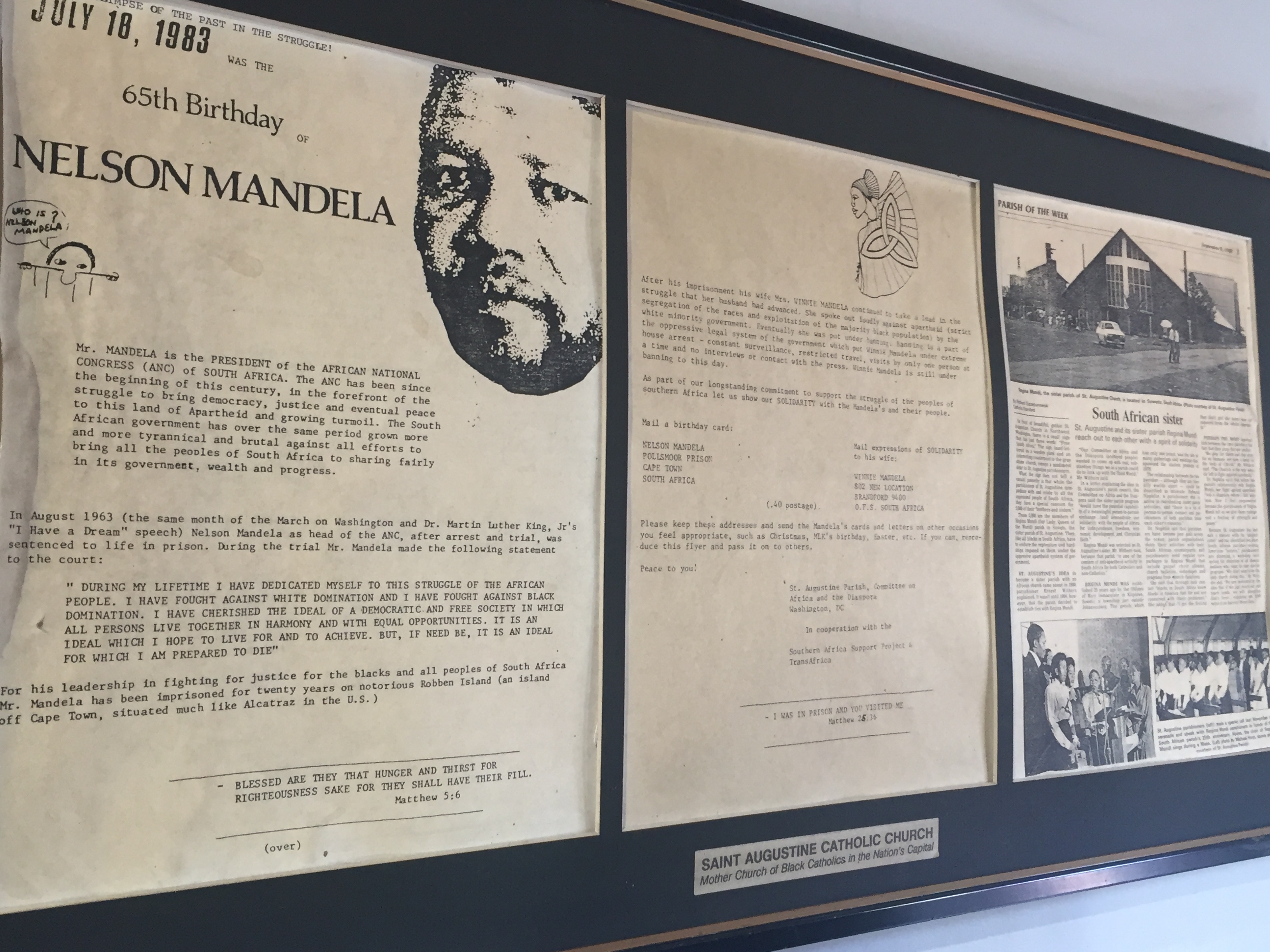
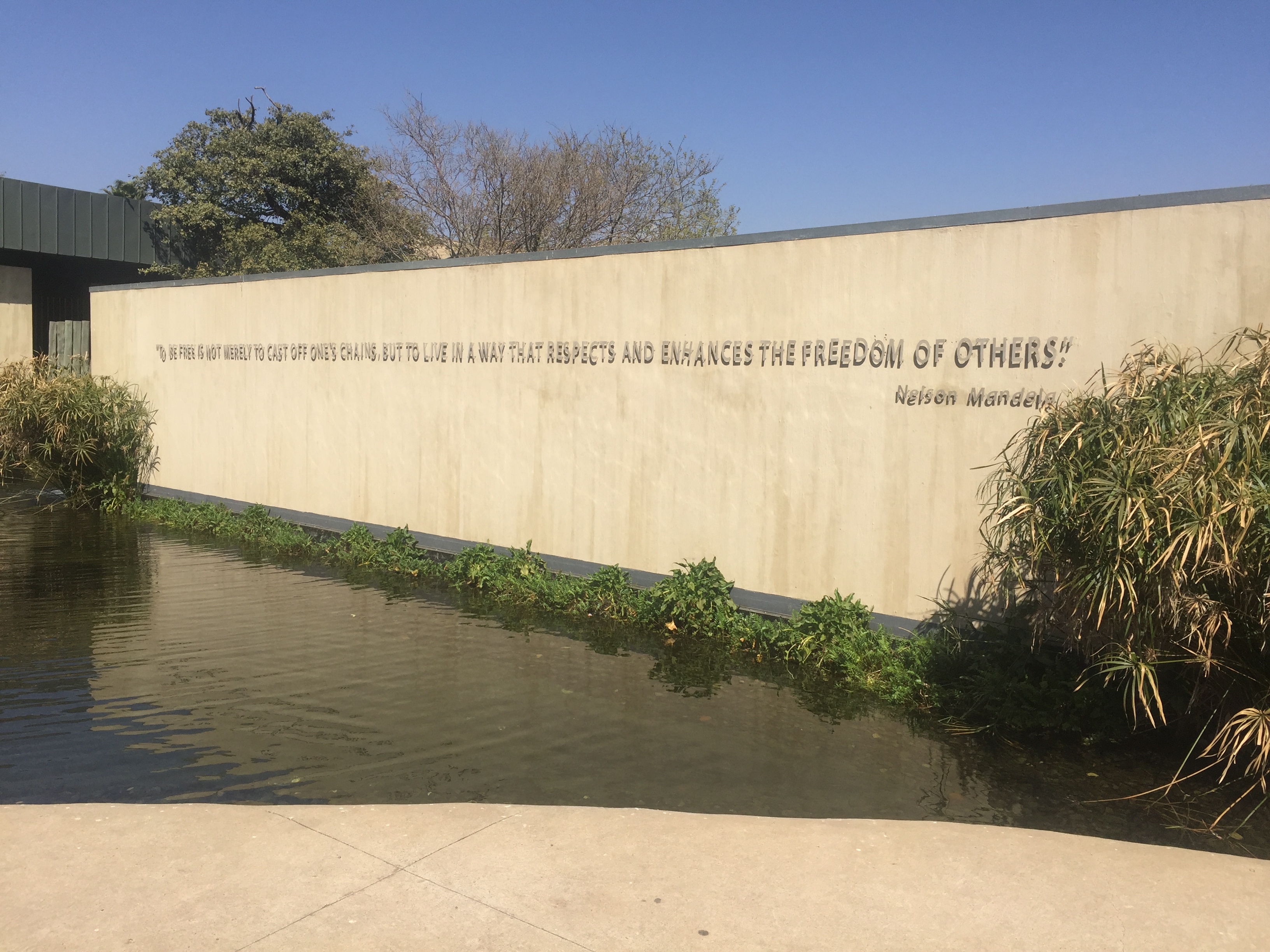
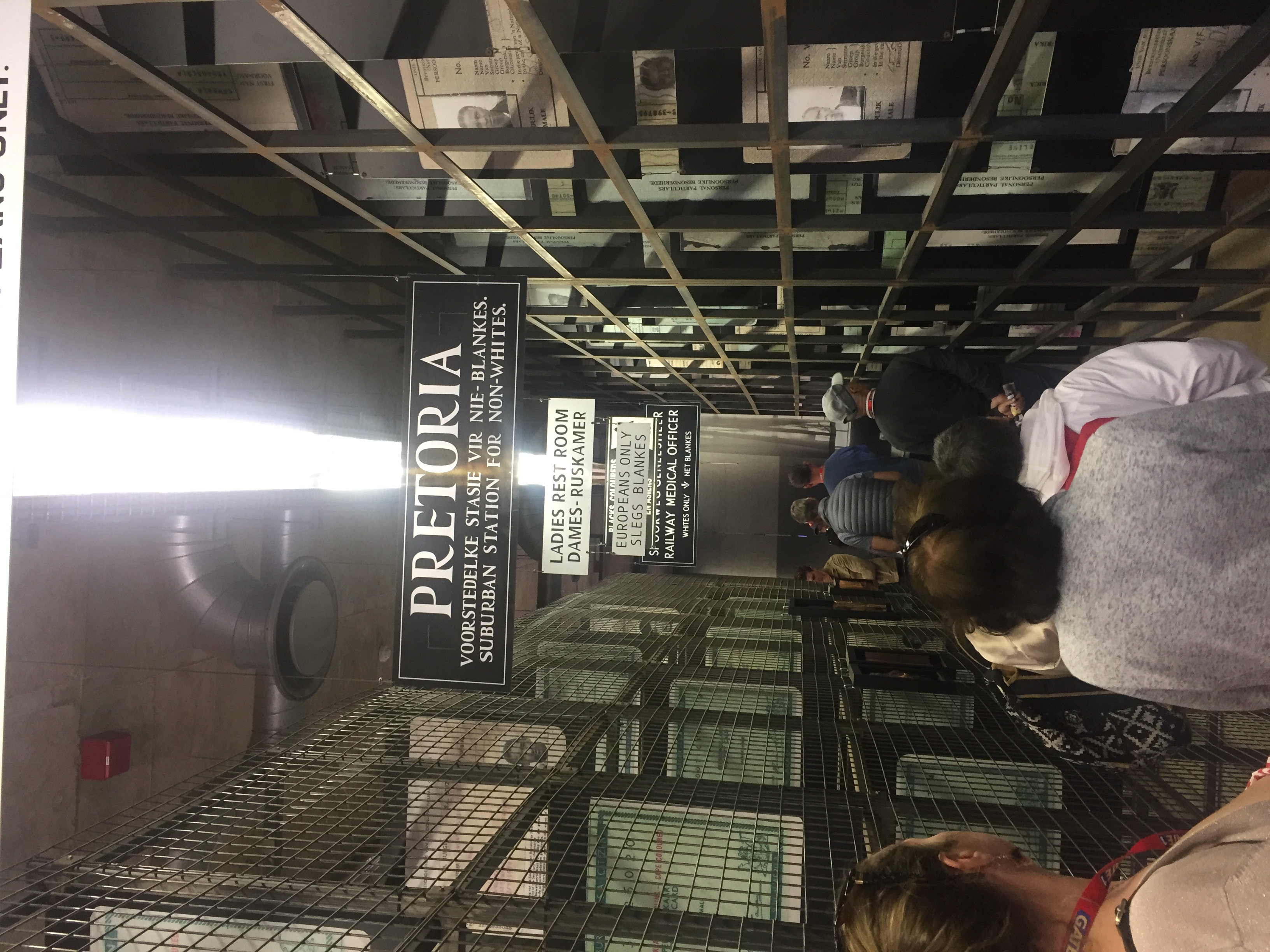
The Apartheid Museum in Johannesburg is one of the most important museums we have ever visited. It is not an easy visit. But it is an absolutely essential one.
What the museum tells
The Apartheid Museum documents the history of racial segregation in South Africa — beginning with the colonial history that set the groundwork, through the formalisation of apartheid policy in 1948, through decades of increasingly oppressive legislation and resistance, through the violence and repression that characterised the height of apartheid, through the anti-apartheid movement both within South Africa and internationally, and finally through the end of apartheid and the transition to democracy.
But the museum is not a dry historical timeline. It's structured around personal stories — stories of individual people who lived through apartheid, who resisted it, who were victimised by it. It includes photographs, documents, artifacts, video testimonies, and multimedia installations that make the history visceral and human.
The emotional impact
Walking through the museum, you don't just learn about apartheid intellectually — you feel it emotionally. You see the human cost of the system. You read personal testimonies from people who were imprisoned, tortured, exiled. You see images of protests and violence. You understand the courage required to resist, and the devastation wrought by state violence.
The museum doesn't shy away from difficult truths. It shows the brutality of apartheid without sensationalising it. It allows the truth itself to be powerful. By the time you've moved through the exhibition chronologically to the end of apartheid and the beginning of democracy, you've been moved, educated, and changed by what you've witnessed.
Why it matters — understanding South Africa
Visiting the Apartheid Museum is essential to understanding modern South Africa. The country you've been travelling through — the wildlife, the natural beauty, the contemporary culture — all exists in the context of this history. Understanding South Africa means understanding apartheid, understanding the resistance to it, understanding the people who fought and suffered for the country's freedom.
Contemporary South Africa — its politics, its social tensions, its economic inequalities, its cultural vibrancy — cannot be understood without understanding apartheid and its legacy. The museum provides that essential context.
Respectful engagement with difficult history
The museum treats its subject with extraordinary respect and dignity. There's no sensationalism, no exploitation of suffering. Instead, there's a commitment to truth-telling with gravity and compassion. The stories of victims and resisters are told with care. The complexity of the history is acknowledged — the international dimensions, the role of key individuals, the systematic nature of the oppression, the courage of the resistance.
South Africa's largest city and economic centre
Johannesburg is South Africa's largest city and the economic powerhouse of the nation. It's a sprawling metropolis of nearly 6 million people, built on the gold mining that made the Witwatersrand (the ridge of white waters) famous and wealthy in the late 19th century.
As a tourist destination, Johannesburg is sometimes overlooked in favour of Cape Town's obvious beauty or the wildlife spectacles of Kruger. But Johannesburg has its own character and importance. It's a city of museums and galleries, of street art and urban culture, of restaurants and shops and contemporary South African life. It's also a city that confronts visitors with South Africa's ongoing social and economic realities — the inequalities that apartheid created still shape the city's geography and dynamics.
For most visitors on a short tour, Johannesburg is primarily experienced through specific visits — the Apartheid Museum, Soweto, Mandela's home — rather than through general city exploration. But these visits provide essential context for understanding South Africa as a whole.
Departure from Johannesburg — and a changed perspective
On Day 12, the group has a farewell dinner together — the last evening with the Tour Manager and fellow travellers who've shared the most extraordinary 12 days. Then, transfers to OR Tambo International Airport for the departure flight.
Most people on this tour leave South Africa profoundly changed. Not just by the natural beauty — though Table Mountain and Kruger and the Panorama Route are genuinely among the most beautiful places on earth. But by the complete experience of the country — the wildlife, the landscapes, the people, and the history.
South Africa demands that you engage with it honestly. It offers extraordinary beauty alongside complicated history. It shows you the best of what humans can create and appreciate, alongside the worst of what humans have inflicted on one another. And somehow, that complexity — that refusal to be simple or easy — is part of what makes South Africa so profoundly important to visit.
Johannesburg & Soweto highlights
One of the most powerful and important museums in the world. Essential, moving, unforgettable.
A modest home in Soweto where history was shaped. Understanding that extraordinary people lived ordinary domestic lives.
The residence of another moral leader who stood against apartheid and helped lead reconciliation afterwards.
South Africa's most important township — where political resistance, cultural innovation and community resilience were forged.
Soweto and Johannesburg are where South Africa's greatest music and cultural movements emerged. A living cultural centre.
Understanding South Africa not just as a beautiful destination, but as a country shaped by history and still growing into its future.
Take a virtual drive around Johannesburg
Drive From Home is a handy way to explore the city layout before you arrive, or to revisit Johannesburg after your trip.
Common questions about Johannesburg & Soweto
One of the greatest trips you will ever take
Table Mountain and the Cape Peninsula. Kruger National Park and the Big Five. The Apartheid Museum and Soweto. Eswatini and the Panorama Route. Hippos and penguins and leopards. History and natural beauty and profound human resilience. South Africa gives you all of it — and more. This is not a destination you'll forget.
Affiliate disclosure: if you book through our links we may earn a small commission at no cost to you. We only recommend trips we'd be happy to stand over.