Cape Town —
one of the most beautiful cities in the world
Five glorious days exploring one of the globe's most stunning destinations. Table Mountain rising above the city giving you breathtaking views from the cable car. The Cape Peninsula with its dramatic cliffs, the penguin colony at Boulders Beach, the fynbos wildflowers of the Cape of Good Hope Nature Reserve, the botanical treasures of Kirstenbosch, the historic Castle and the vibrant V&A Waterfront. Cape Town is every superlative you've ever heard — and it lives up to all of them.
Days 1–2: First sight of a spectacular city
Flying into Cape Town, the first view you get is the most iconic one — Table Mountain dominating the landscape, the city spread below it, the Atlantic beyond. It's a view that doesn't disappoint no matter how many times you see it in photographs.
Our transfer took us into the city with Table Mountain growing larger on the approach — and you begin to understand why this view has captivated visitors (and settlers) for centuries. The sheer scale of the mountain, its flat summit rising abruptly from the surrounding landscape, the city nestling beneath it — it sets the emotional tone for the entire Cape Town experience.
After the long overnight flight and transfer to the hotel, there was a welcome orientation meeting with our Tour Manager to go through the itinerary for the coming days. An evening to settle in, rest and prepare for the days ahead. The Atlantic breeze, the sense of arrival, Table Mountain watching over everything — it's a perfect introduction to what's coming.
The iconic city tour and the cable car to the top of the world
Day 3 was the Cape Town city day — and it remains one of the standout days of the entire twelve-day journey. We started with a half-day city tour taking in the most important landmarks and sites of Cape Town's history and character.
The Castle of Good Hope (1666) was the first stop — the oldest building in South Africa, built as a fortress by the Dutch East India Company. Walking through the centuries-old passages and rooms of this 17th-century structure, you're stepping directly into South Africa's complicated colonial history. The restored rooms, the exhibits, the sheer solidity and age of the place — it grounds you in the real history of the Cape.
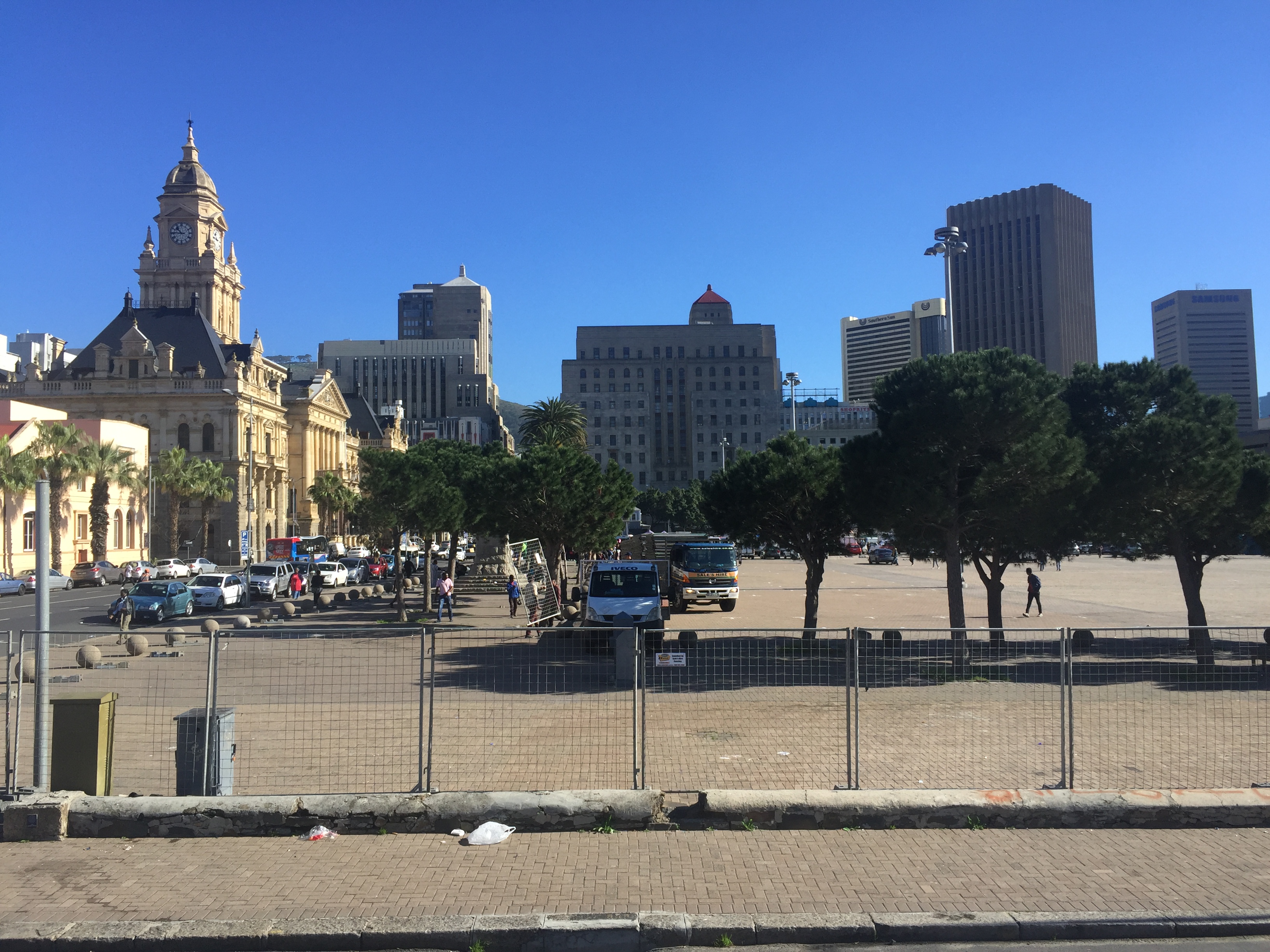
City Hall is an iconic Cape Town landmark — a grand colonial building with an imposing facade overlooking the Grand Parade. The architecture tells you immediately that this was seat of administrative power during a different era.
St George's Cathedral is Cape Town's most important religious building — a beautiful Gothic Revival structure. The cathedral holds deep significance in South African history as a centre of faith and moral witness.
The Company Gardens are the historical heart of the city — established by the Dutch East India Company to supply passing ships. The gardens are a green haven in the heart of the city, with giant trees providing shade and a sense of peaceful history.
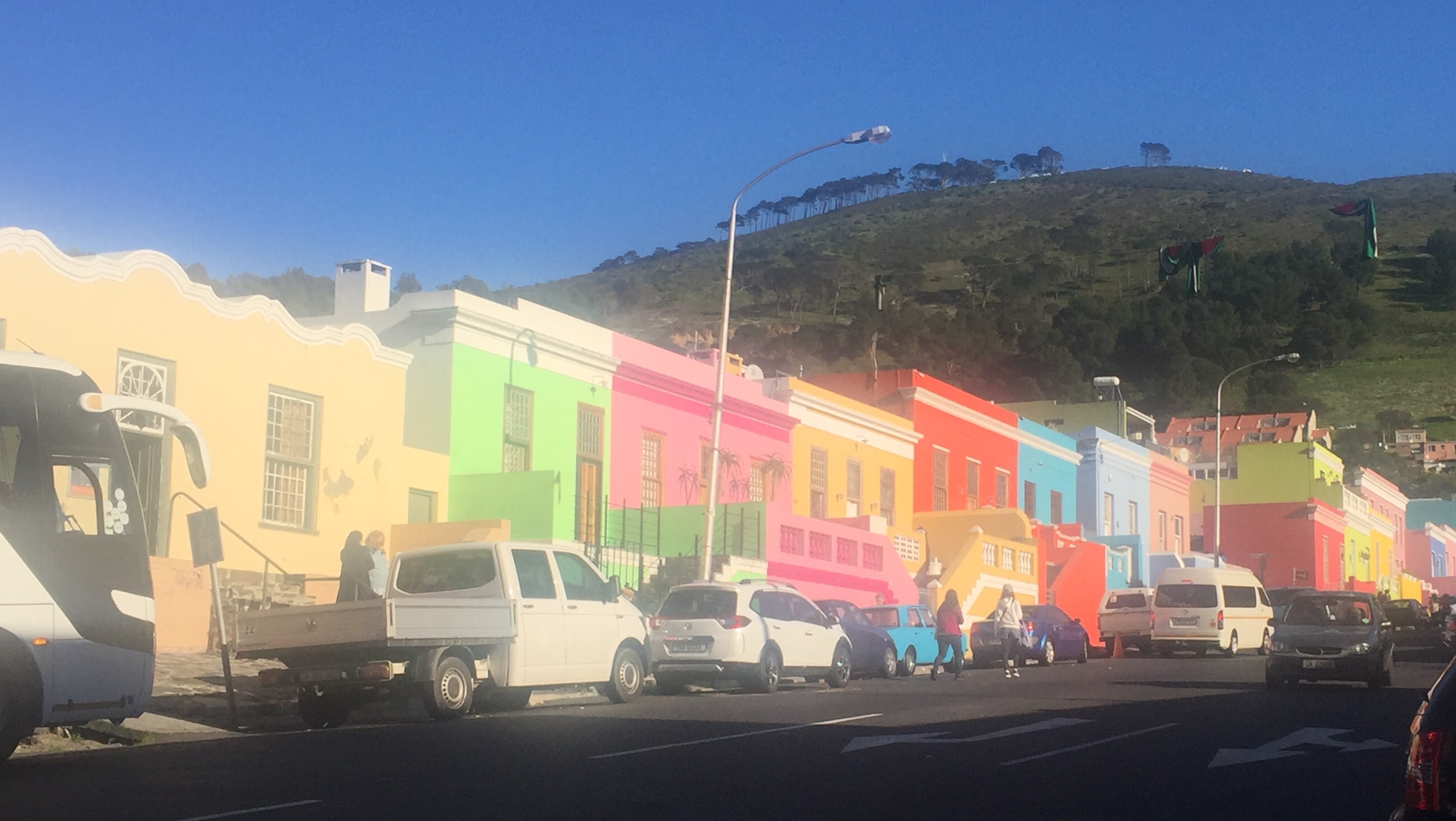
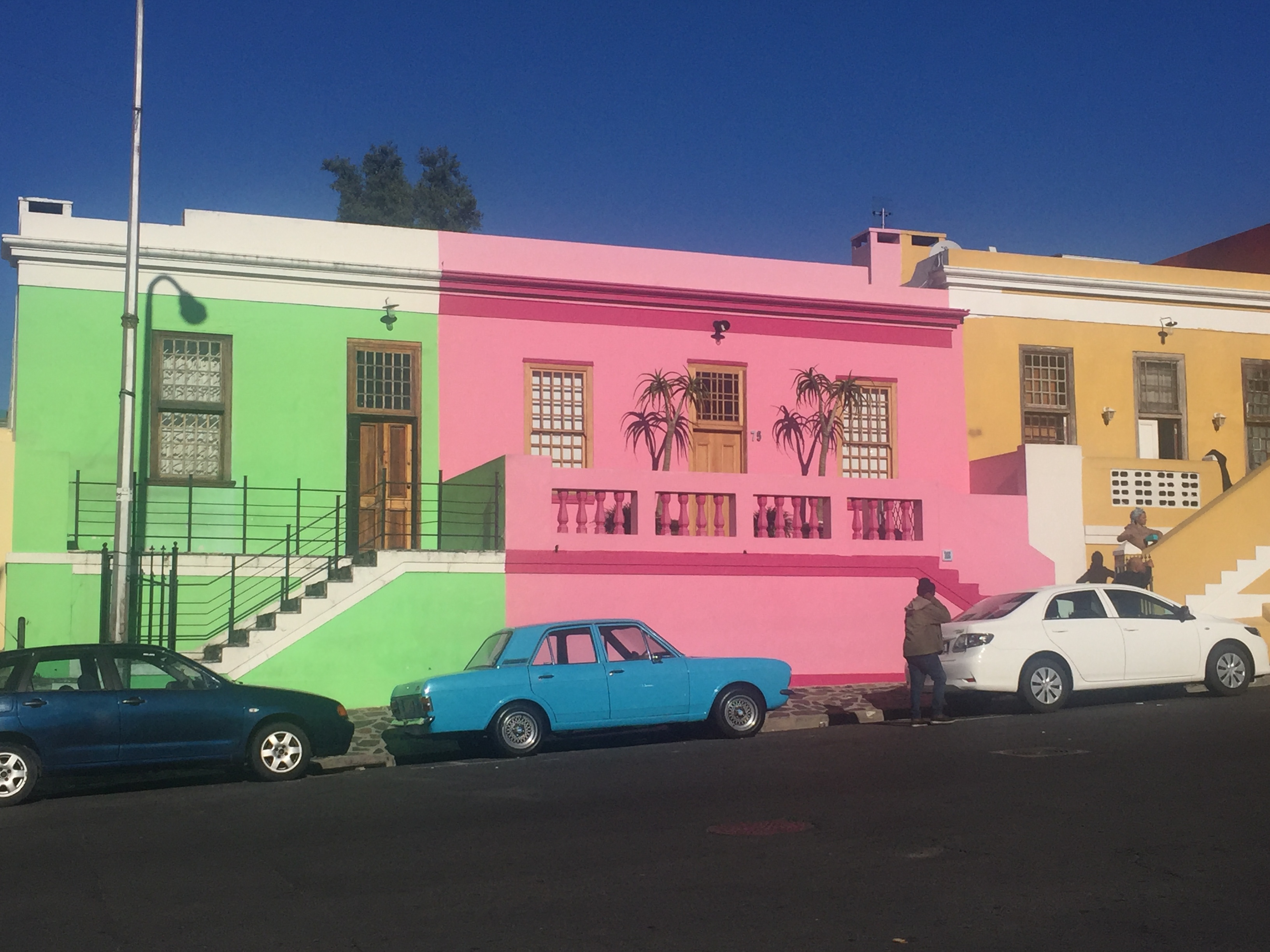
The Malay Quarter (Bo-Kaap) is one of Cape Town's most vibrant neighbourhoods — the colourful houses lining the steep streets, the smell of Cape Malay cuisine drifting from the restaurants and homes, the layers of cultural history embedded in the architecture and street life. It's a neighbourhood that tells the stories of people brought to the Cape as prisoners and slaves, and how they built community, culture and cuisine against extraordinary odds. Walking through the Bo-Kaap is to understand South Africa's human complexity in a way few places can convey.
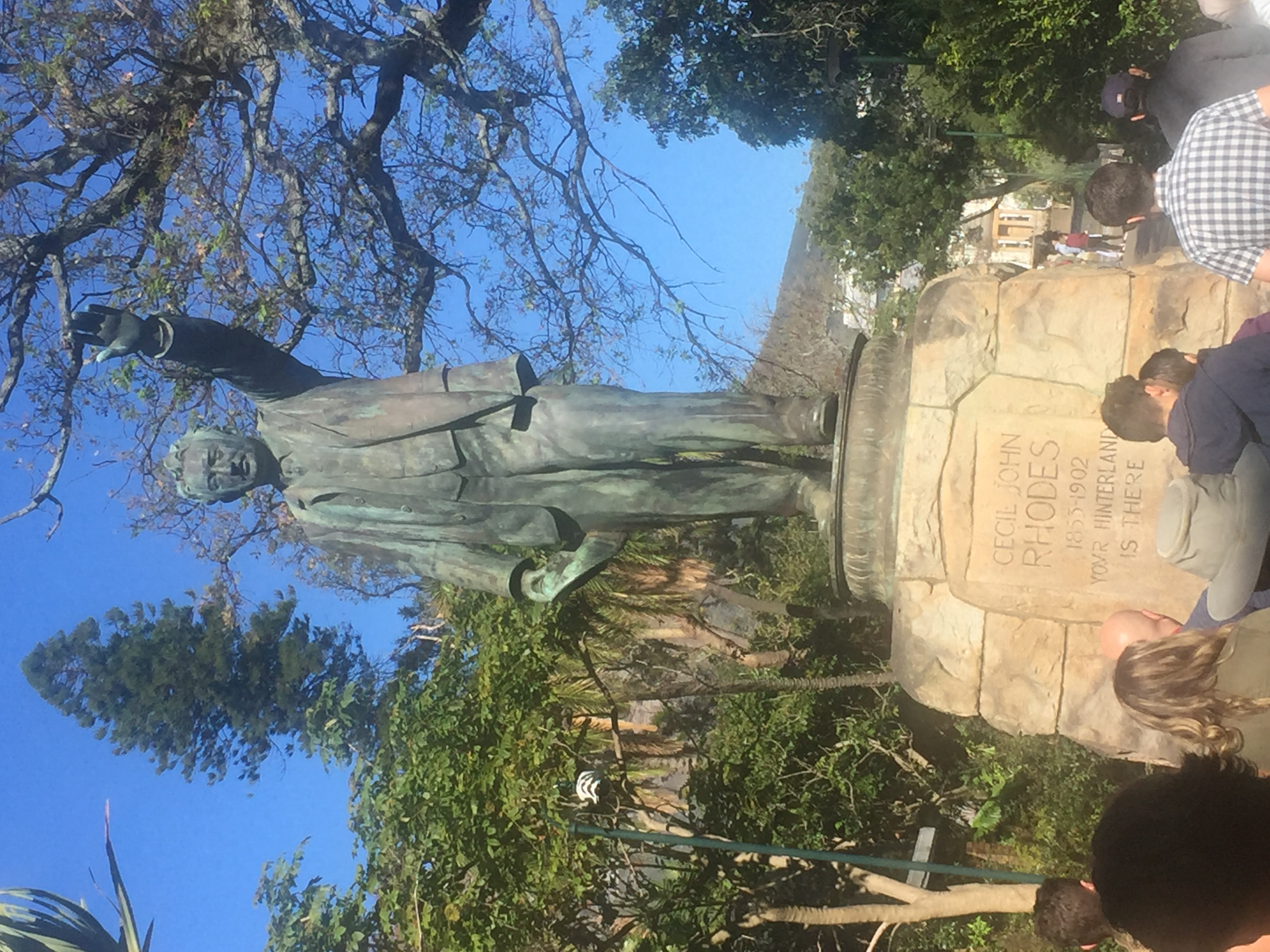
The Cable Car to Table Mountain
Then came the moment we'd all been waiting for — the cable car to the top of Table Mountain. The ride itself is extraordinary — a rotating cable car that turns as it ascends, so you get 360-degree views as you rise above Cape Town. Within minutes you're high above the city, seeing the sprawl of Cape Town, the Atlantic coast, the Cape Peninsula stretching away to the south.
The view from the top is simply incomparable. On a clear day (we were fortunate), you can see from the Cape Peninsula to Robben Island, across the city and out over the Atlantic. The summit itself is its own ecosystem — unique fynbos wildflowers adapted to the thin mountain soil, ancient paths worn by centuries of walkers, viewing platforms allowing you to take in the 360-degree panorama. The scale of what you can see is almost overwhelming.
Time at the top to absorb the views, take photographs, sit and just appreciate being at the apex of one of the world's most beautiful cities. The cable car descends and deposits you back at the city level as the afternoon light turns golden. A welcome dinner with the group in the evening — the first time you really begin to bond with fellow travellers.
A full day exploring one of the world's great scenic drives
Day 4 was dedicated entirely to the Cape Peninsula — one of the greatest day trips on earth. Leaving Cape Town early, the tour takes you on a scenic coastal drive south, each turn revealing new landscapes.
Hout Bay
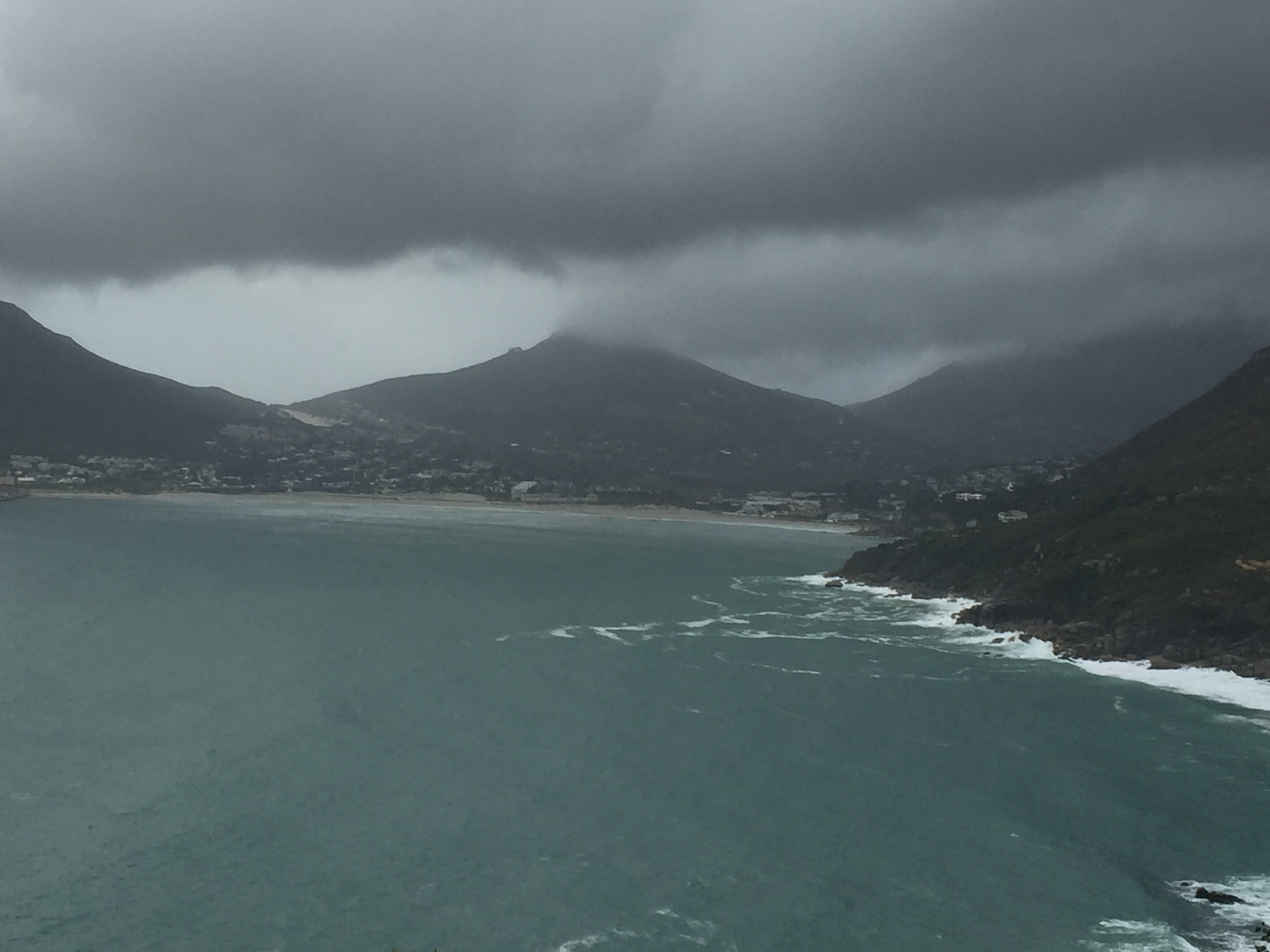
The first major stop is Hout Bay, a beautiful working fishing village with a bustling fisherman's wharf where you can watch the boats, see the daily catch being unloaded and buy fresh seafood. The bay itself is dramatic — mountains rising steeply above the water, the curve of the beach, the Atlantic light. On our visit, sea eagles soared overhead and the village had the authentic working-port feel that makes it so much more interesting than a manufactured tourist attraction.
Cape Point & The Cape of Good Hope Nature Reserve
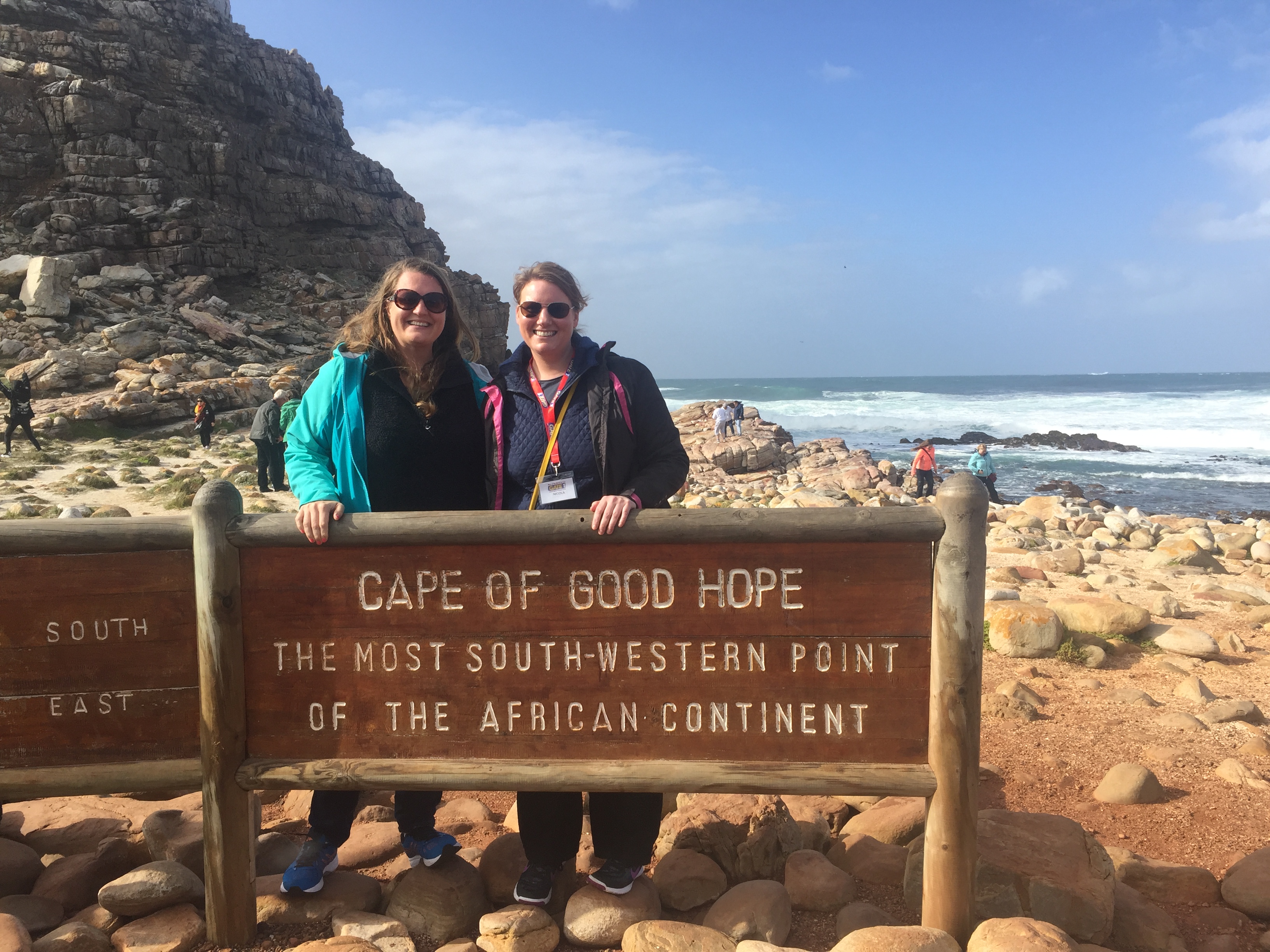
The drive continues up to Cape Point, where the mountains rise to their most dramatic at the southern tip of the peninsula. The Cape of Good Hope Nature Reserve protects a wild and beautiful stretch of coast — fynbos vegetation (the endangered plant community endemic to the Cape), incredible coastal views, and wildlife including baboons, zebras and bonteboks. The fynbos ecosystem is one of the world's floral treasures — ancient plants adapted to fire, thin soil and intense sun. Walking through it, you understand why this landscape is so botanically precious.
The views from Cape Point are extraordinary — looking back towards the Peninsula, looking out towards the horizon, understanding viscerally why this was once such a legendary point in maritime navigation and history.
Boulders Beach & The Penguin Colony
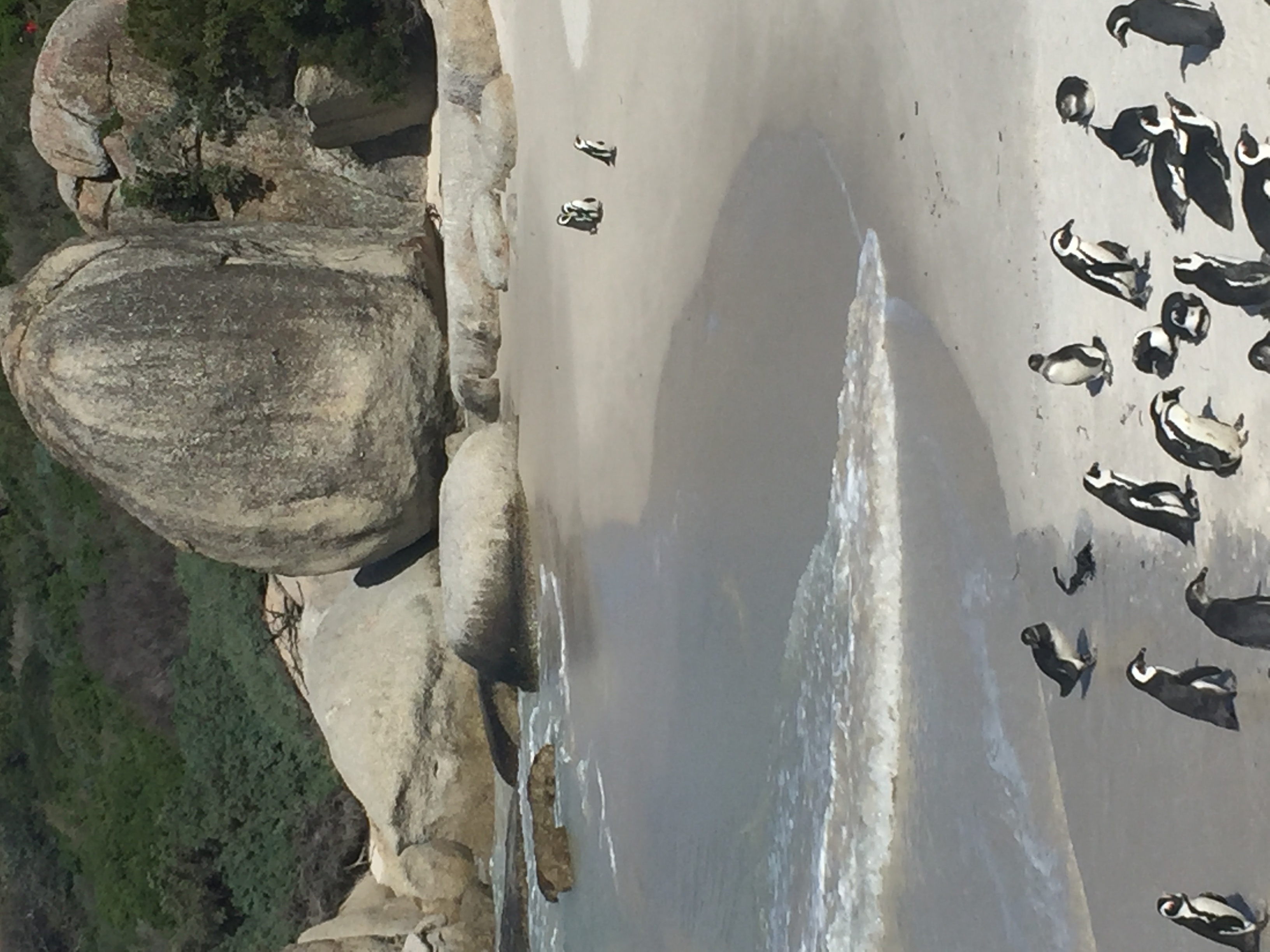
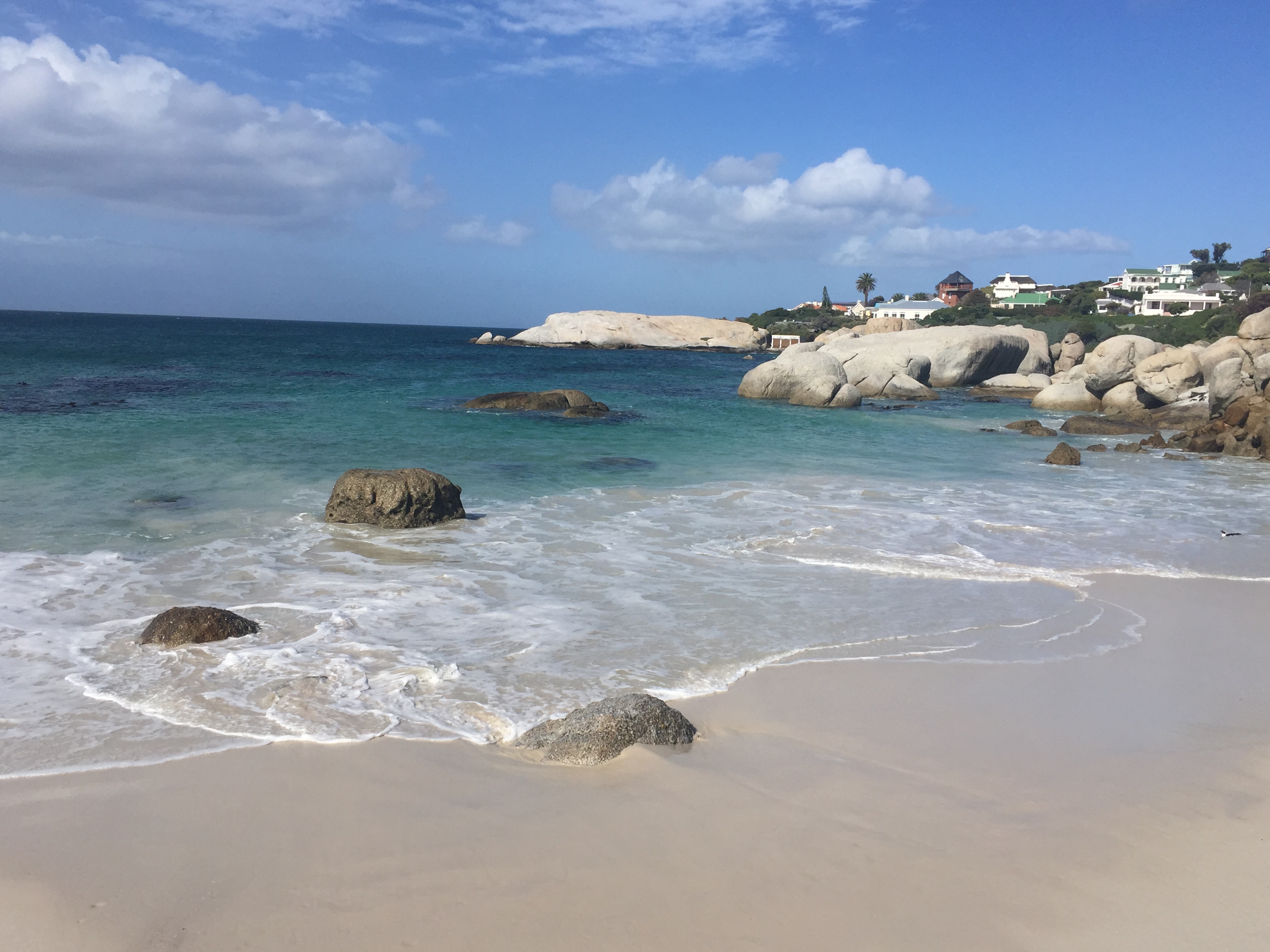
Then comes Boulders Beach — and this is where the day becomes something you'll never forget. The African penguin colony at Boulders is one of only a handful of mainland penguin colonies in the world, and you can walk directly among the penguins on the beach. There's no barrier, no viewing platform — you walk on the sand and the penguins walk past you, utterly unbothered by human presence. They waddle, they dive off rocks, they emerge from the water shaking themselves dry, they call to one another with surprisingly loud squawks. For all their distance from penguins in Antarctica, they're unmistakably penguins — comic, dignified, ancient-looking and absolutely captivating.
The boulders themselves are vast — smooth rocks smoothed by millennia of wave action, creating little coves and beaches where the penguins congregate. Sitting on the sand watching them is one of those travel moments that justifies the entire journey. Every person on the tour stood in stunned silence at the sheer delight of it.
Kirstenbosch National Botanical Gardens
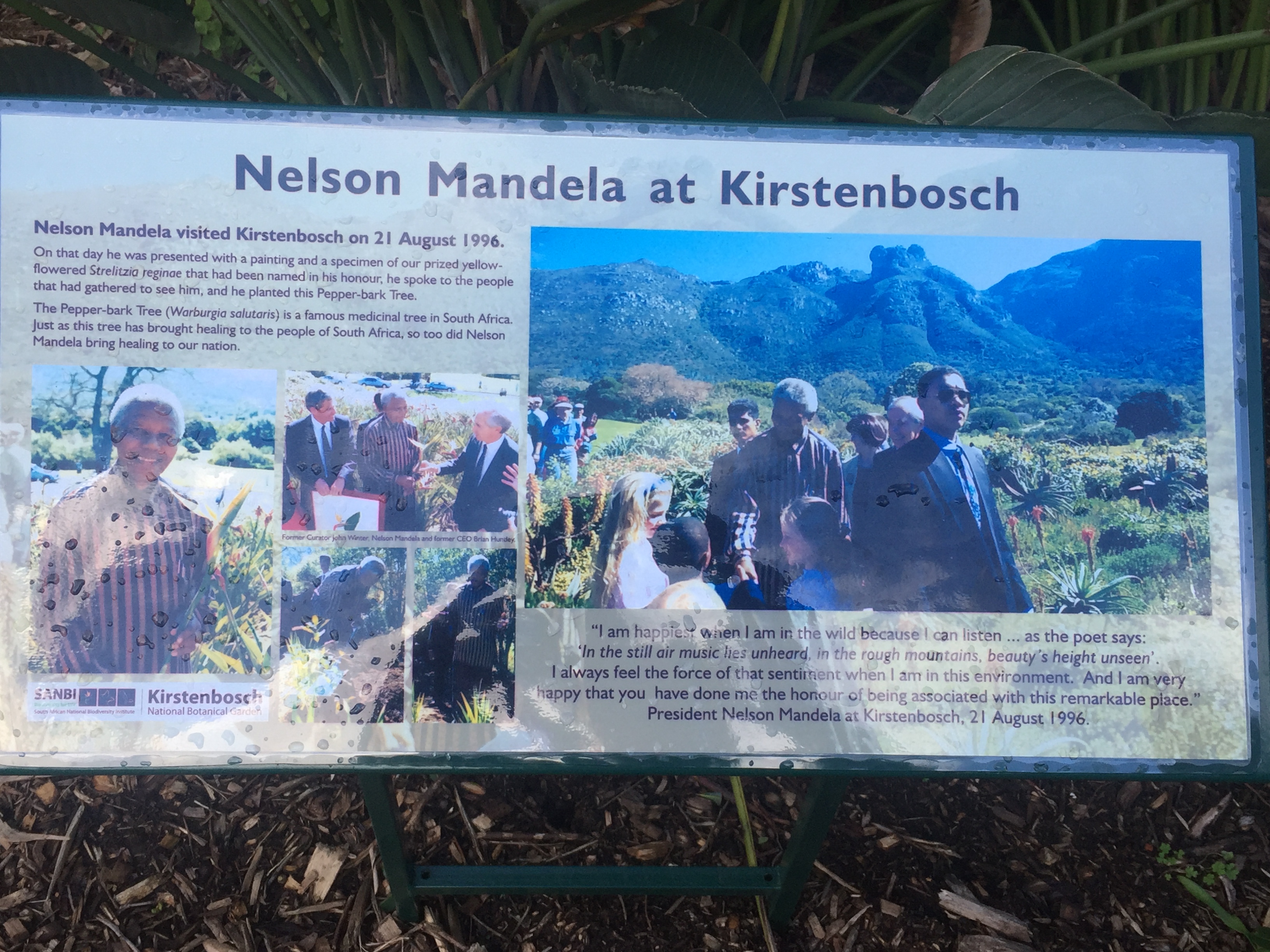
The final stop on the peninsula tour is Kirstenbosk National Botanical Gardens, one of the world's great botanical institutions. Located on the eastern slopes of Table Mountain, Kirstenbosk showcases the floral diversity of South Africa — but particularly the endemic plants of the Cape fynbos. Walking through Kirstenbosk is a walk through botanical treasure. Ancient yellowwood trees, proteas in all their varieties, the unique flowers and shrubs that exist nowhere else on earth, all landscaped into one of the most beautiful gardens you'll ever experience. The views back across Cape Town from the garden terraces are stunning, and there's a sense of walking through living South African history and natural heritage.
Return to Cape Town in the late afternoon, with the light turning golden over the city and Table Mountain silhouetted against the setting sun. It's a perfect day — long, extraordinarily beautiful and crammed with unforgettable moments.
Evening exploring the Waterfront and enjoying Cape Town's food & culture scene
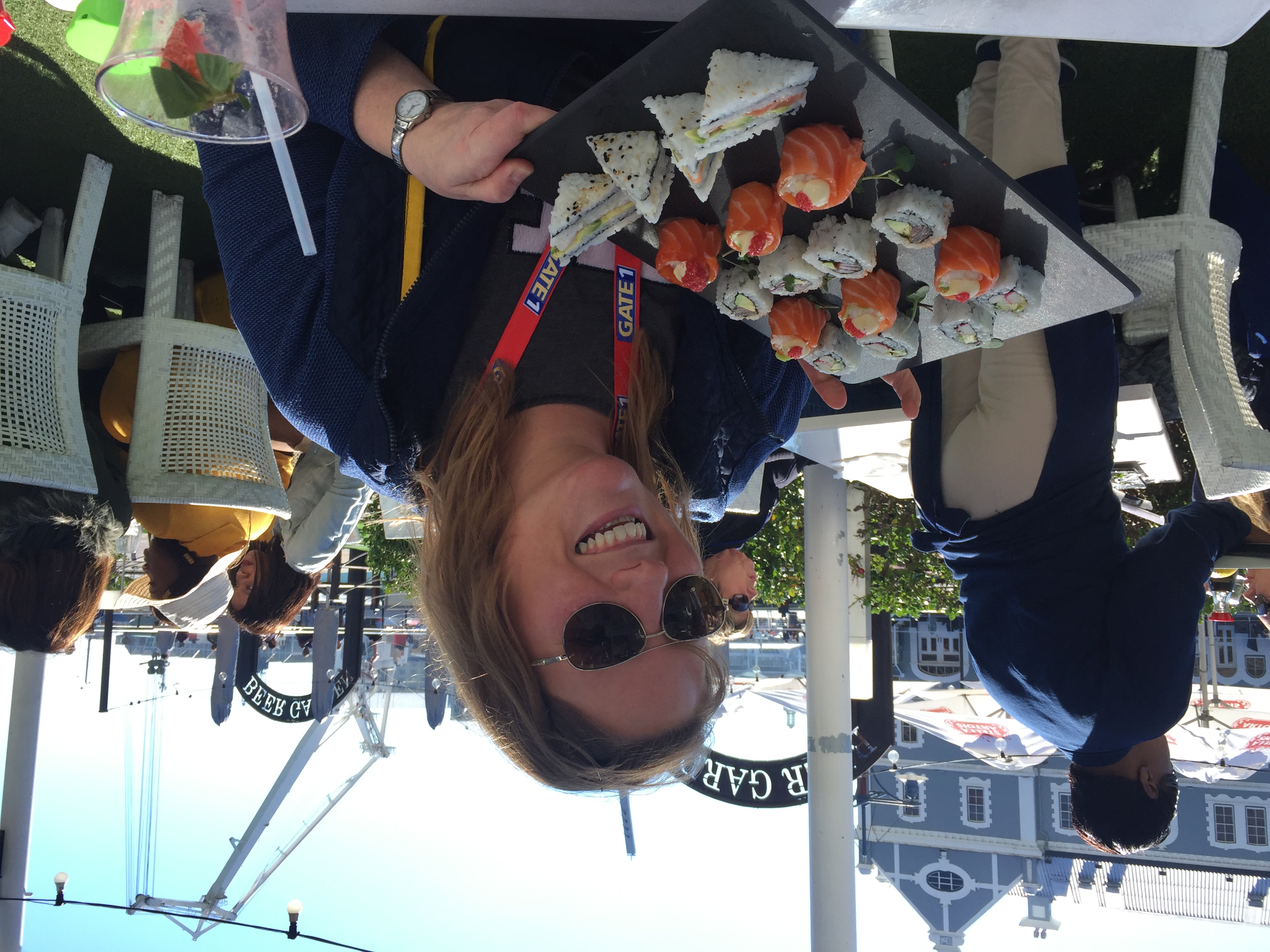
The V&A Waterfront (Victoria & Alfred Waterfront) is Cape Town's beating heart — a working harbour where fishing boats still operate alongside one of the world's most successfully reimagined waterfronts. The original Alfred Mall was built in 1860, but the modern development has managed the rare feat of creating a tourist destination without destroying the authentic working-port character that makes it special.
You can walk the working docks, watch fishermen unloading their catch, browse the craft markets and boutiques, enjoy world-class restaurants and bars overlooking the harbour and Table Mountain. The light in the late afternoon is extraordinary — golden, soft, the kind of light that makes everything beautiful. The Waterfront is the place to linger over dinner, watch the sun set over Table Mountain, and experience Cape Town's contemporary culture and food scene at its best.
Our group enjoyed a welcome dinner here on the first evening, toasting the trip ahead and beginning the process of bonding with fellow travellers over exceptional South African wine and cuisine.
Day 5: Your choice of activities or time to explore at your own pace
The fifth day in Cape Town was structured as a free day — leaving you the option to do more activities, or simply to explore Cape Town at your own pace. Options on the tour included:
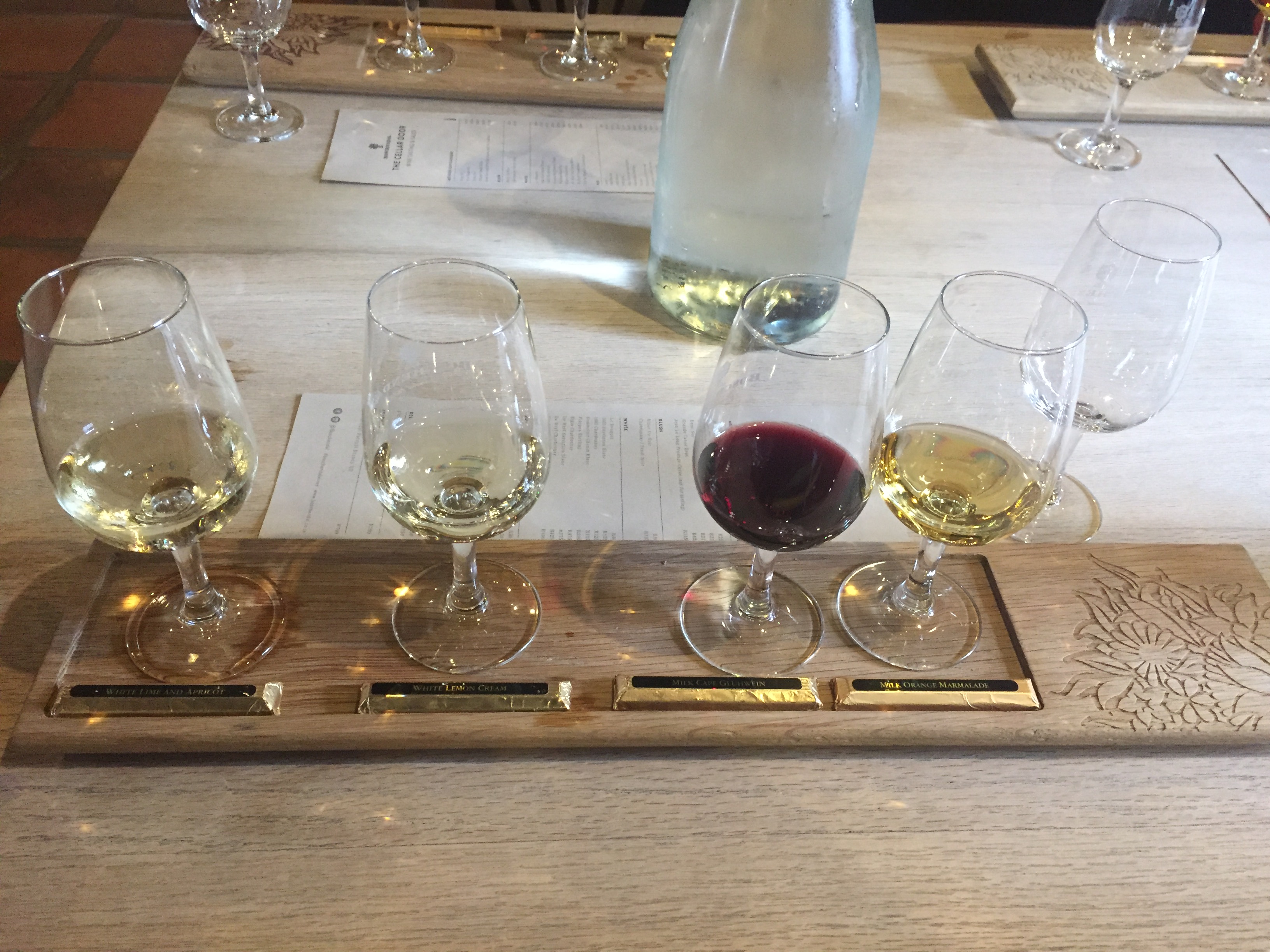
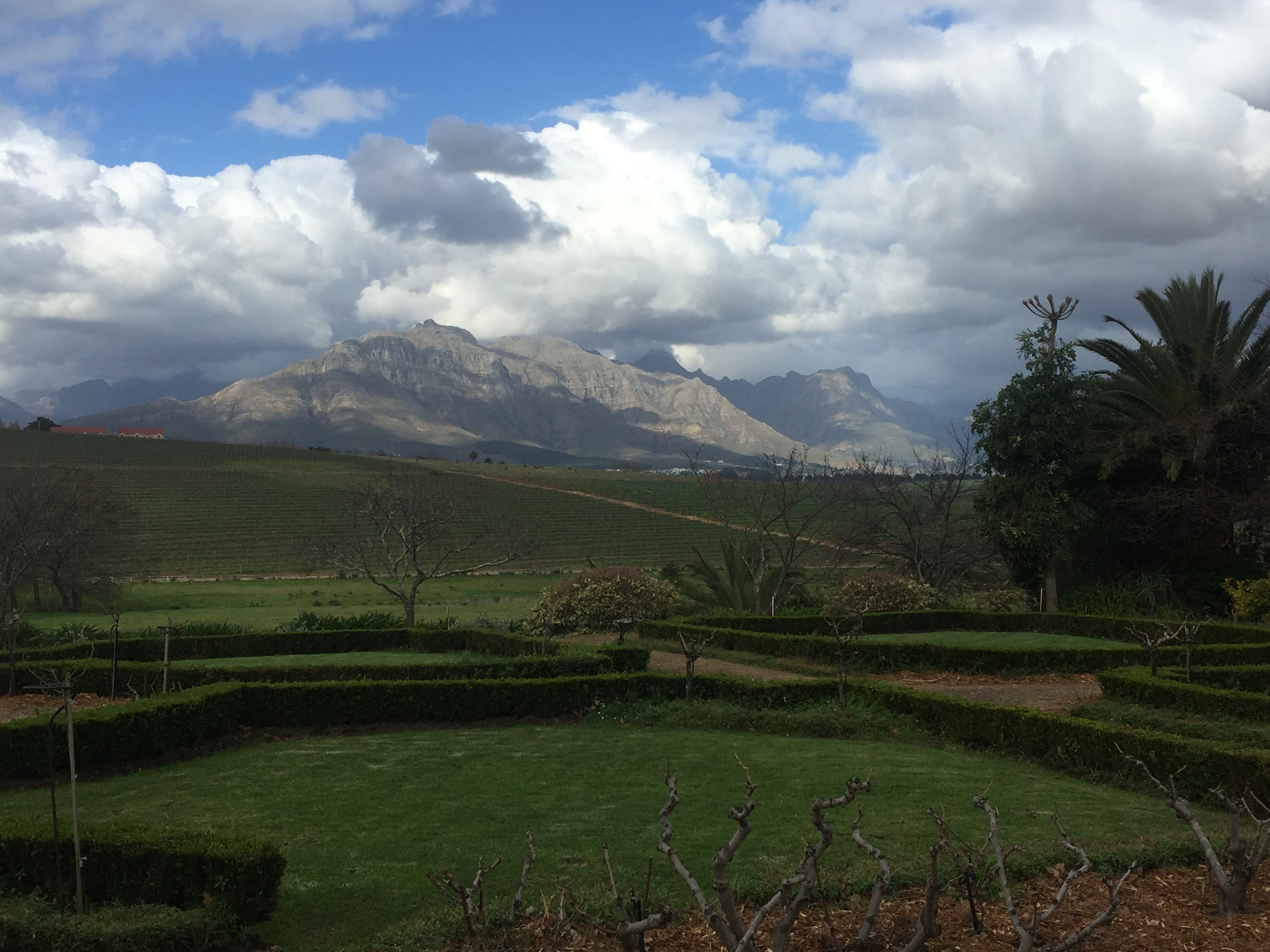
- South African Wine Tour: Guided tours through the Winelands — Paarl, Franschhoek and Stellenbosch are the major wine regions, each with their own character and exceptional wine estates.
- Great White Shark Cage Diving: For the adrenaline seekers — cage diving off Shark Alley near Seal Island, an intense and unforgettable wildlife encounter.
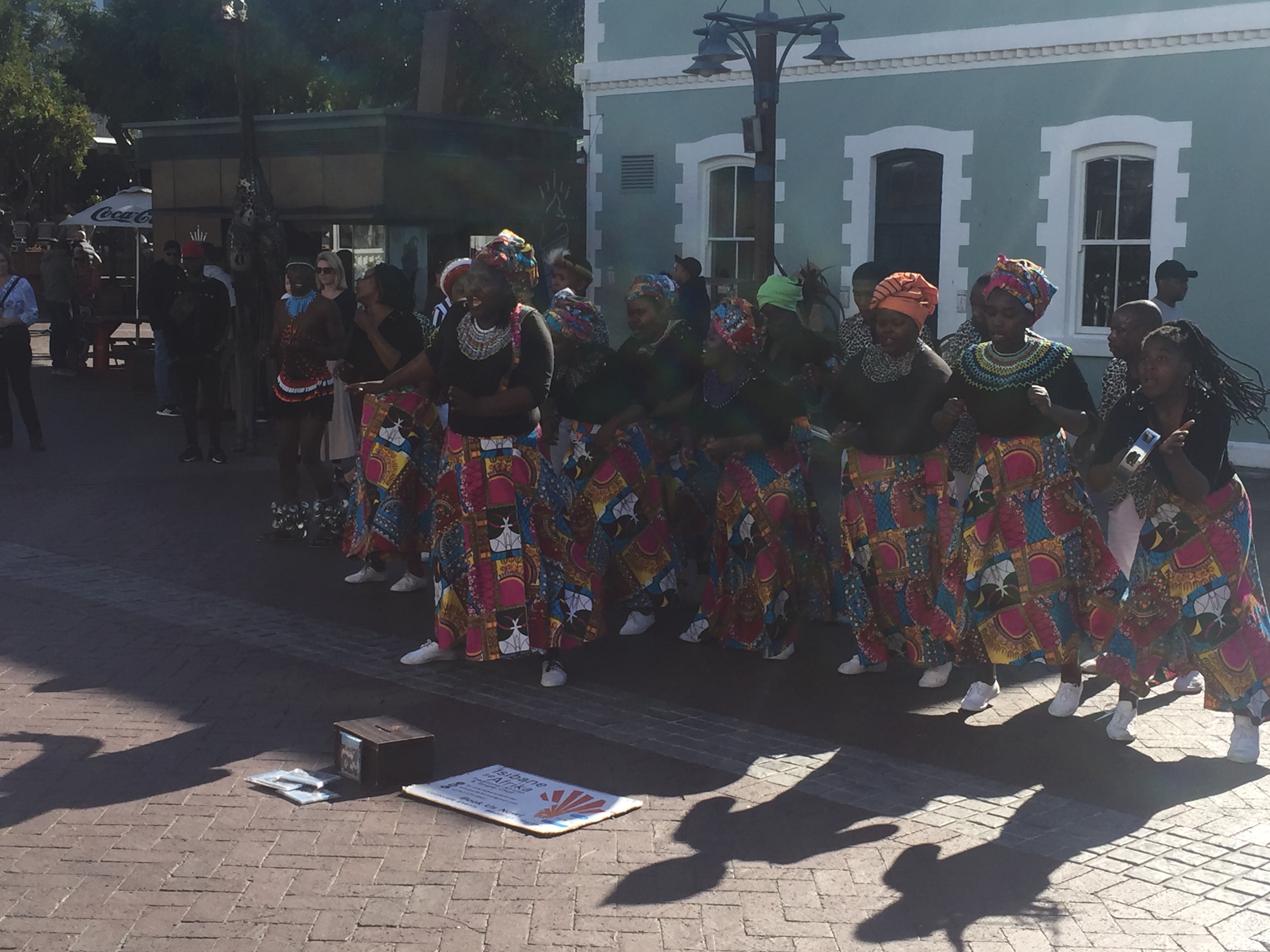
- Daily Music Show: Celebrating Cape cultural heritage through music, storytelling and traditional cuisine — an evening immersed in South African culture.
Or simply — rest, explore the city at your own pace, revisit a favourite spot, enjoy a leisurely breakfast at a Cape Town café. This free time is essential in a long multi-stop tour — it gives you breathing space and lets you savour a place rather than rushing through it on a fixed schedule.
Cape Town in pictures — the highlights
360 degrees from the cable car — city, Atlantic, peninsula and on clear days Robben Island. The most iconic view in South Africa.
Walking among African penguins on the sand. Comic, dignified and absolutely unforgettable. One of the world's great wildlife moments.
Botanical treasure on the slopes of Table Mountain — Cape fynbos, proteas and endemic plants, all surrounded by mountain views and ancient trees.
1666 — South Africa's oldest building. Walking through centuries of colonial history while trying to comprehend the human complexity of it all.
Working harbour meets world-class dining and craft markets. The light in the late afternoon, Table Mountain in the background, the Atlantic breeze — Cape Town at its most magical.
The Malay Quarter's rainbow houses, steep streets, cooking smells and cultural vibrancy tell stories of resilience, community and joy.
Experience Cape Town with a group tour or independently
Cape Town is often the starting point for South Africa group tours, or it can be explored independently. Either way, combining it with Kruger, Eswatini, and the Panorama Route creates an unforgettable South Africa journey.
Disclosure: If you book through these links we may earn a small commission at no extra cost to you.
Take a virtual drive around Cape Town
Want to get your bearings before you travel — or revisit Cape Town from the sofa? Drive From Home has both a Cape Town city guide and an interactive virtual drive.
Common questions about Cape Town
What comes next in South Africa
From Cape Town, the journey continues to KwaZulu-Natal for game drives and the St Lucia Estuary, then into Eswatini, across to Kruger National Park, through the Panorama Route and finally to Johannesburg and Soweto.