Leipzig — the gorgeous city Nicola still remembers
Leipzig was one of the stops on Nicola's 2005 Interrail trip through Germany — and more than twenty years later, one thing still stands out: it was gorgeous. Grand buildings, beautiful streets and a city centre with real character made it one of those places that stayed in the memory long after the train moved on.
One of the cities that stayed in the memory
Leipzig sat between Berlin and Cologne on Nicola's 2005 Interrail adventure, and although the fine details of a trip taken so long ago have faded, her impression of the city hasn't: Leipzig was absolutely gorgeous.
That matters on this page. We're not going to manufacture a minute-by-minute itinerary from 2005. Instead, this guide starts with the real memory — a beautiful German city that made a lasting impression — and adds the history, culture and food that make Leipzig such an interesting place to return to today.
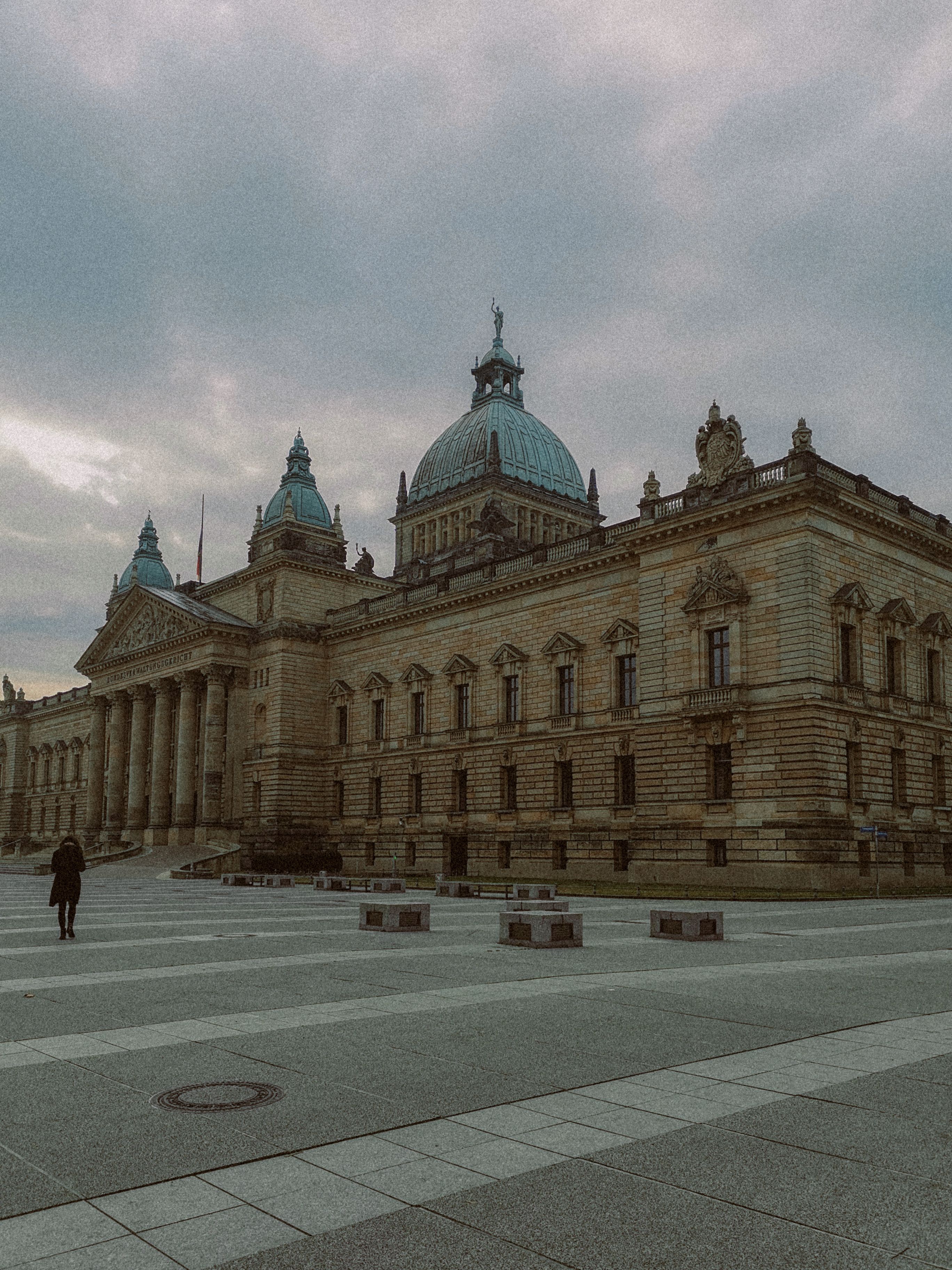
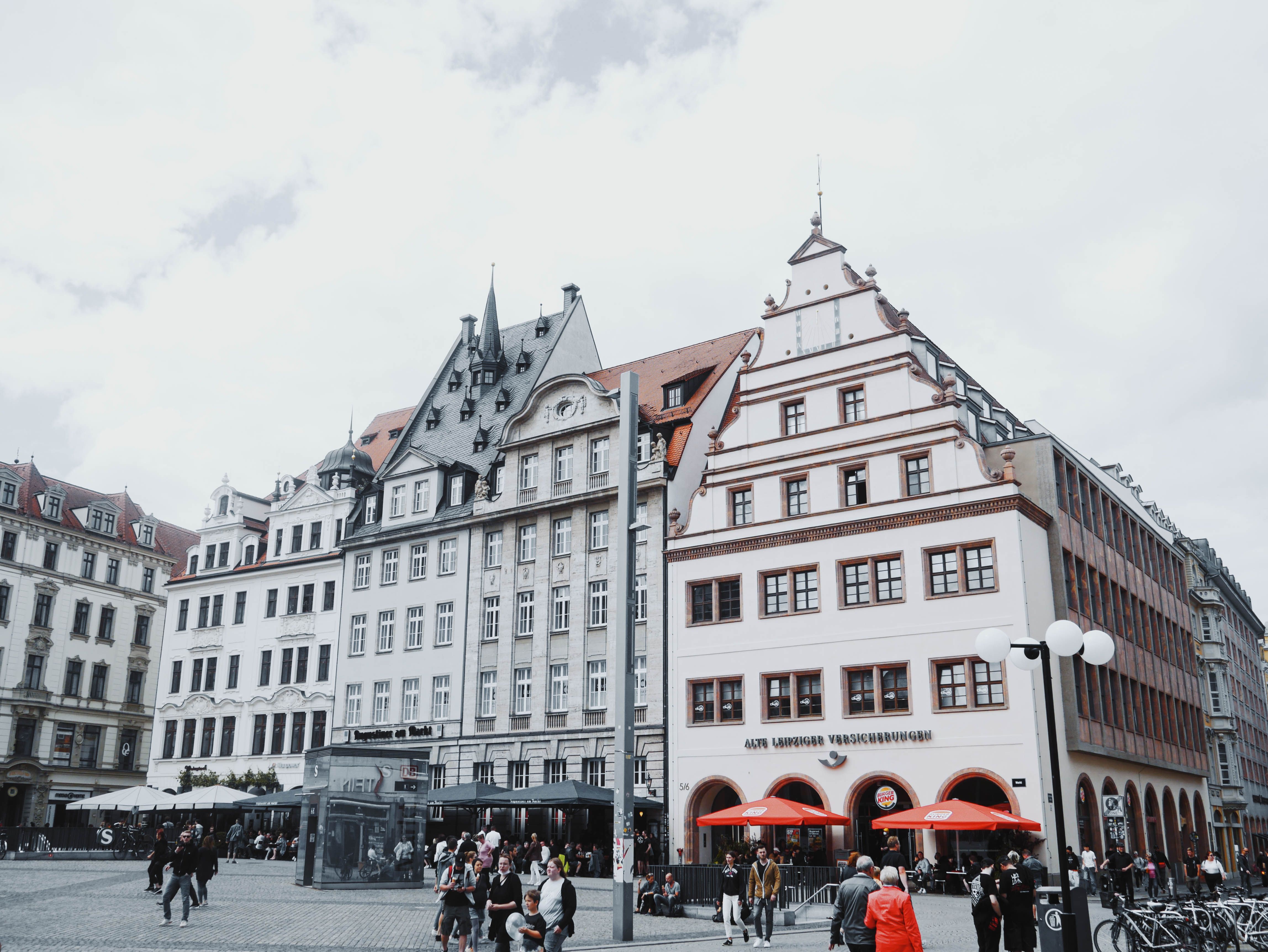
Leipzig — still gorgeous all these years later ✨
A city with a serious place in history
Leipzig was first recorded in 1015 and grew where two important European trade routes — the Via Regia and Via Imperii — crossed. That location helped turn it into a major market and trade-fair city, a tradition that shaped the passages and courtyards you still see in the centre today.
Its history is not all medieval. The enormous Monument to the Battle of the Nations commemorates the Battle of Leipzig in 1813, when Napoleon's forces faced a coalition of European armies in one of the defining battles of the Napoleonic Wars.
And then there is 1989. Peace prayers at St Nicholas Church fed into the Monday demonstrations that became central to the Peaceful Revolution in East Germany. On 9 October 1989, around 70,000 people demonstrated peacefully in Leipzig. One month later, the Berlin Wall fell.
Johann Sebastian Bach's Leipzig
Leipzig is inseparable from Johann Sebastian Bach. He worked here as Thomaskantor from 1723 until his death in 1750, directing the St Thomas Boys Choir and composing some of his greatest music during his years in the city.
St Thomas Church is still one of Leipzig's essential places for music lovers — Bach worked there for 27 years and is buried inside the church. Nearby, the Bach Museum and Archive keep that extraordinary musical legacy alive.
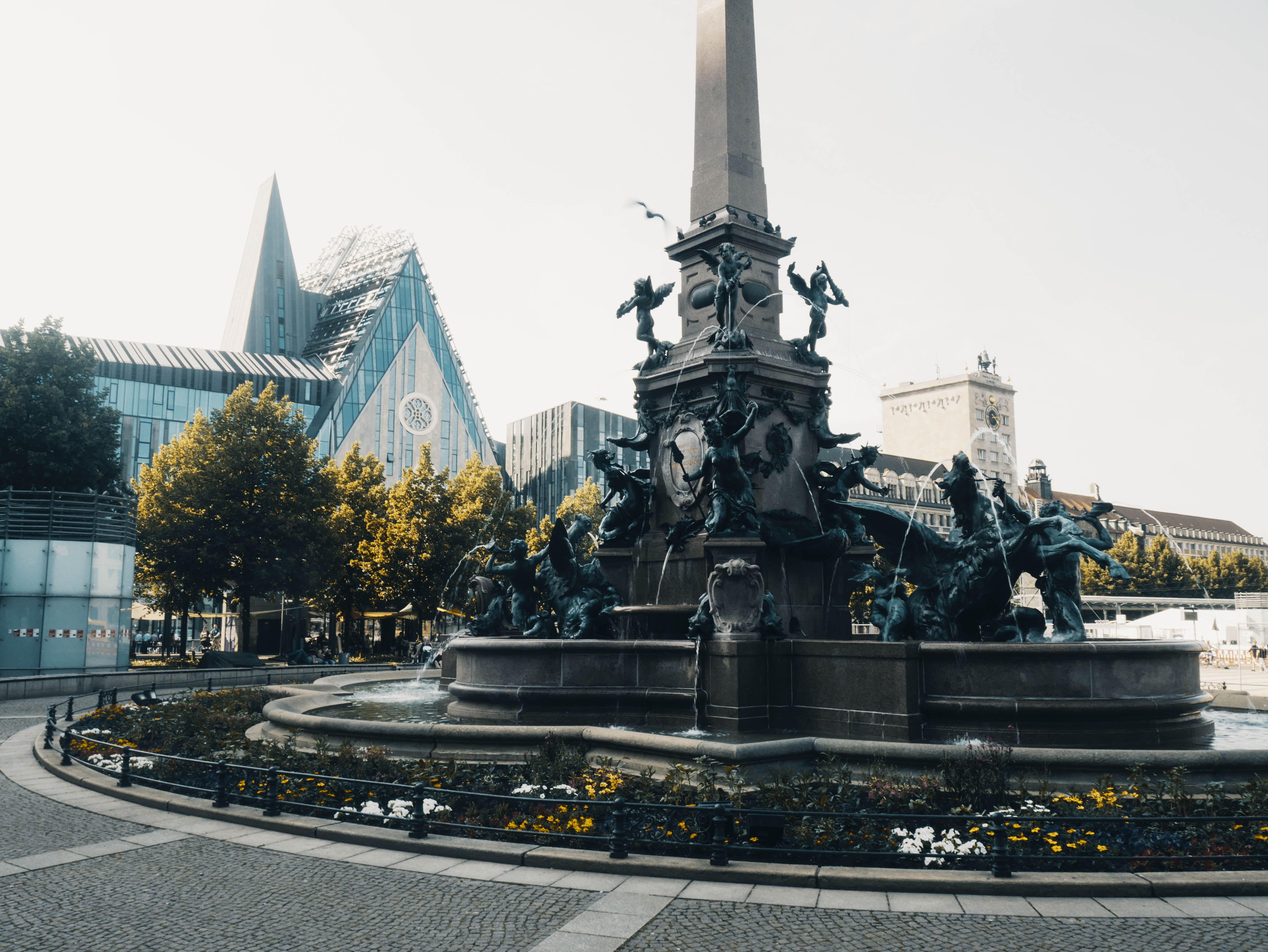
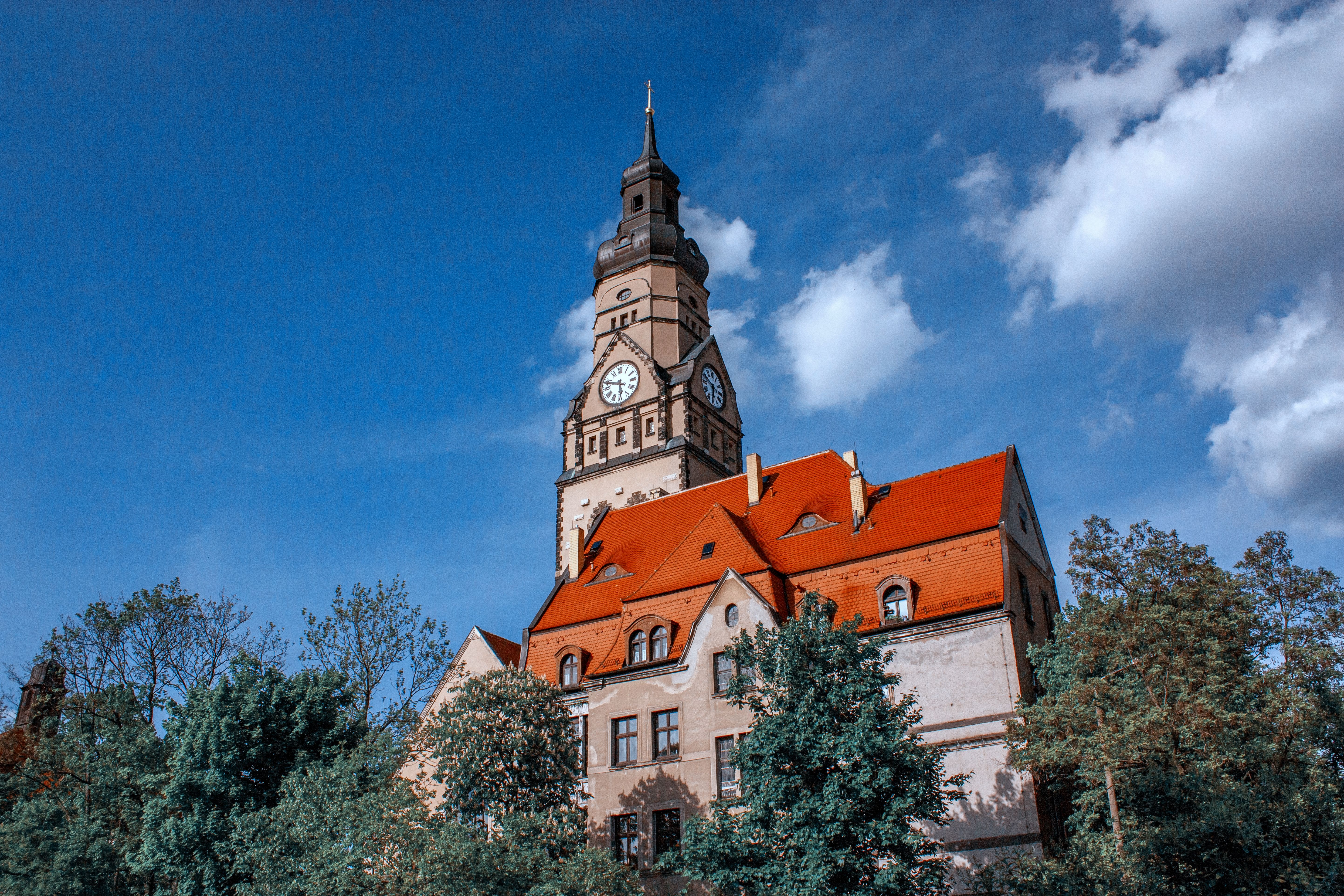
These are current visitor highlights rather than a claim that Nicola visited every one of them in 2005.
Bach's workplace for 27 years, home of the famous St Thomas Boys Choir and the composer's final resting place.
A central site of the peace prayers and Monday demonstrations that helped drive the Peaceful Revolution of 1989.
One of the prettiest parts of central Leipzig and an excellent place to appreciate the city's historic architecture.
The monumental memorial to the Battle of Leipzig in 1813 — one of the city's great historical landmarks.
A natural companion to St Thomas Church for anyone interested in Bach's life, work and extraordinary Leipzig years.
Leipzig's historic arcades and courtyards are a legacy of its centuries as a major European trade-fair city.
Leipzig has its own specialities
Leipziger Allerlei is probably the best-known local dish — traditionally a mixture of young vegetables, although versions vary considerably.
For something sweet, look out for Leipziger Lerche, a small pastry associated with the city. Its name means “Leipzig lark”, but modern versions are sweet pastries rather than anything involving the bird.
Then there's Leipziger Gose, Leipzig's distinctive sour beer style. And for literary history with your food, Auerbachs Keller is one of the city's best-known historic restaurants, famously associated with Goethe's Faust.
These are general Leipzig food traditions rather than dishes Nicola remembers eating on the 2005 trip.
Book Leipzig experiences with GetYourGuide
Walking tours, Bach and history experiences, river and canal trips, the Monument to the Battle of the Nations and more.
Disclosure: If you book through these links we may earn a small commission at no extra cost to you.
Take a virtual drive through Leipzig
Leipzig is one of those German cities Nicola would genuinely love to see again. Until then, Drive From Home is a brilliant way to explore the streets virtually and get a feel for the city before planning your own visit.
Disclosure: Drive From Home is a partner of Two for the Row'd.
Berlin
History you can feel on every street.
Explore Berlin →Cologne
The German city Nicola called home for a year.
Explore Cologne →Munich
Biergartens, Bavaria and history.
Explore Munich →Heidelberg
Fairytale Germany on the Neckar.
Explore Heidelberg →Frankfurt
One night in Germany's skyline city.
Explore Frankfurt →