Frankfurt — one night in Germany's skyline city
Frankfurt was a flying visit for Nicola — just one night, many years ago. It wasn't enough time to claim to know the city inside out, but Frankfurt is one of those places a lot of travellers find themselves passing through, thanks to its enormous international airport and rail connections. So this guide combines Nicola's brief experience of the city with practical, researched ideas for making the most of a short Frankfurt stay.
One night, briefly
This one is honest rather than exhaustive: Nicola spent a single night in Frankfurt years ago, without the time to properly explore the city. We're not going to pretend otherwise or invent a full day of sightseeing that didn't happen. What follows below is genuinely useful visitor information, researched to help you plan your own Frankfurt stay — clearly separate from Nicola's own brief experience of the city.
Two very different Frankfurts
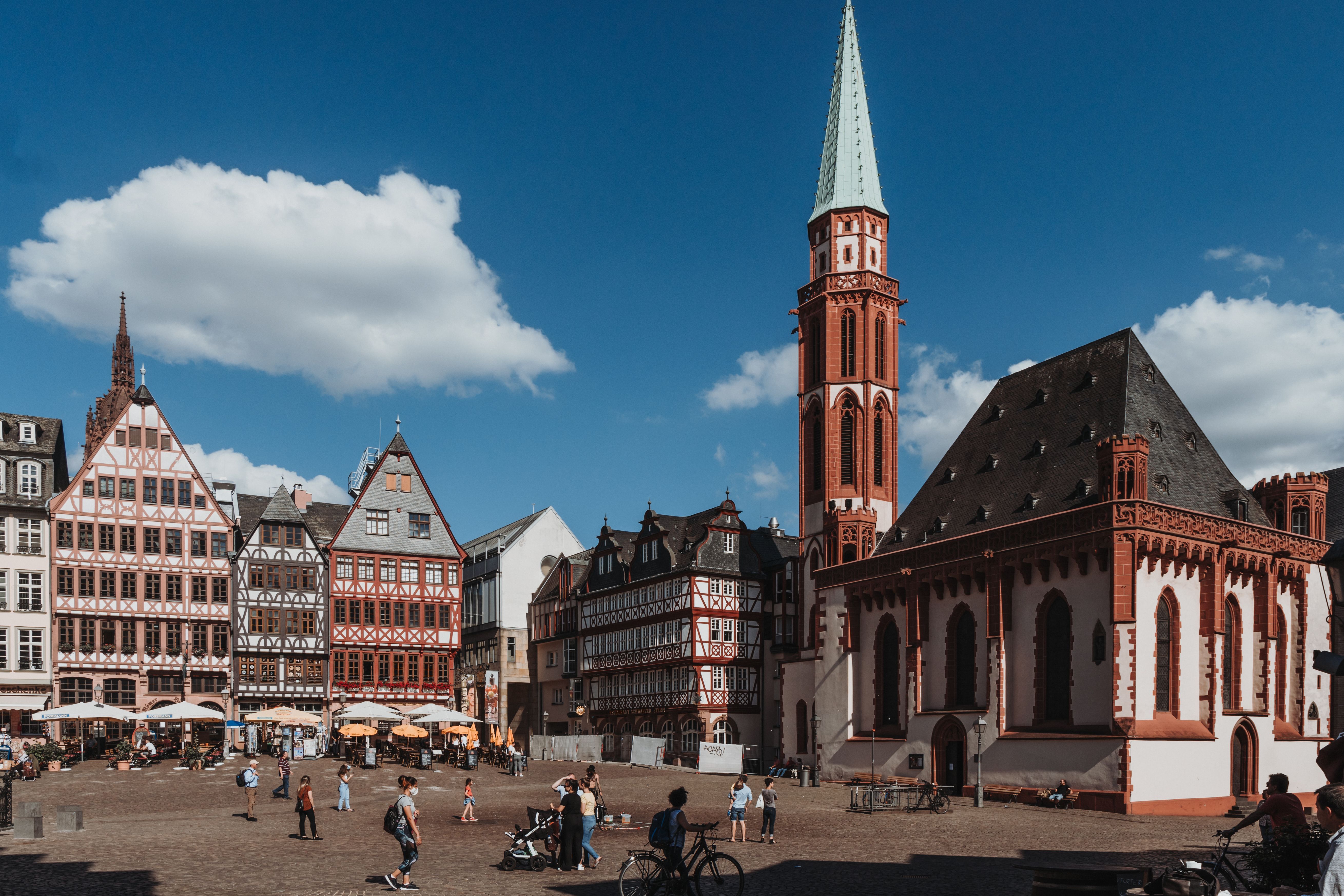
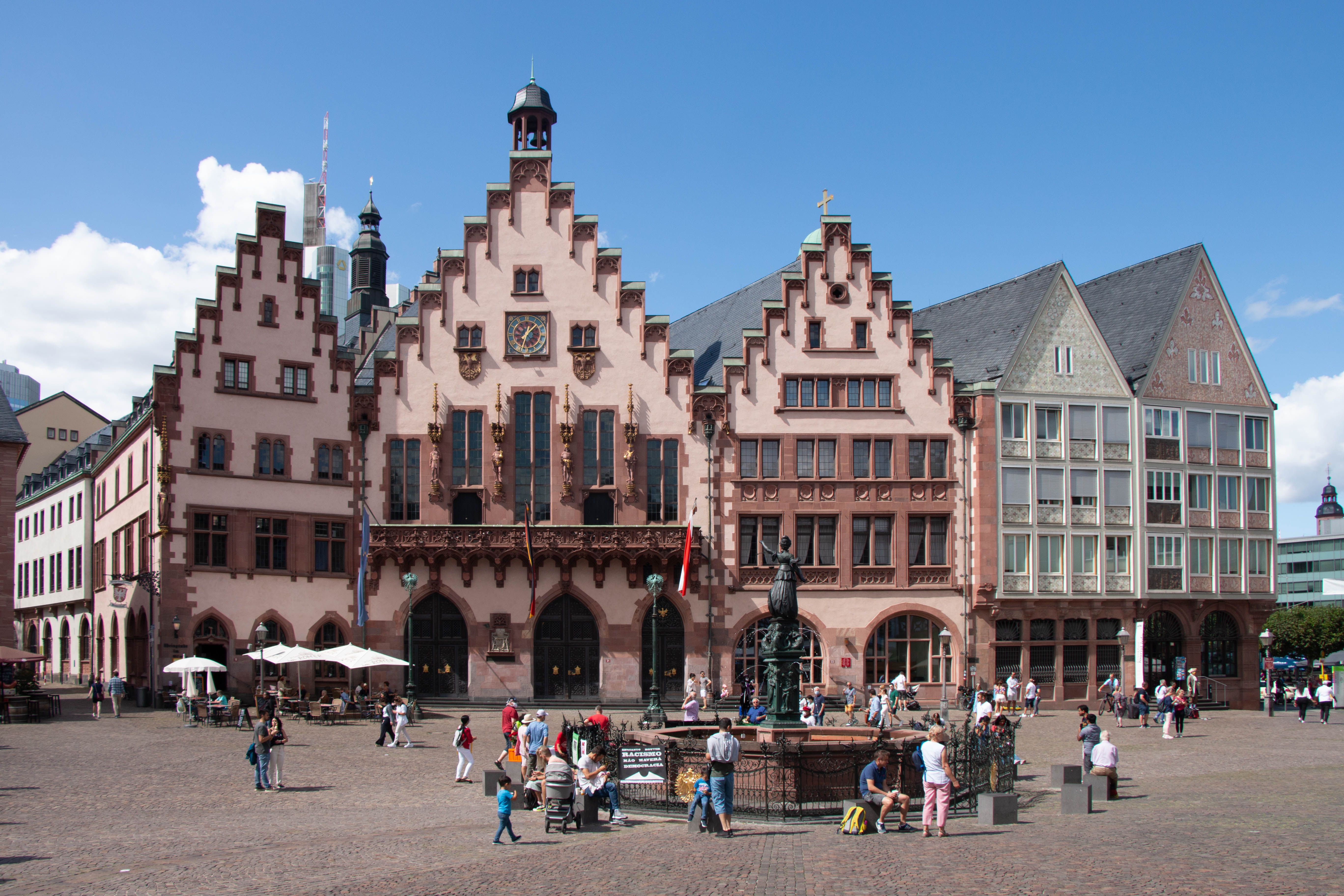
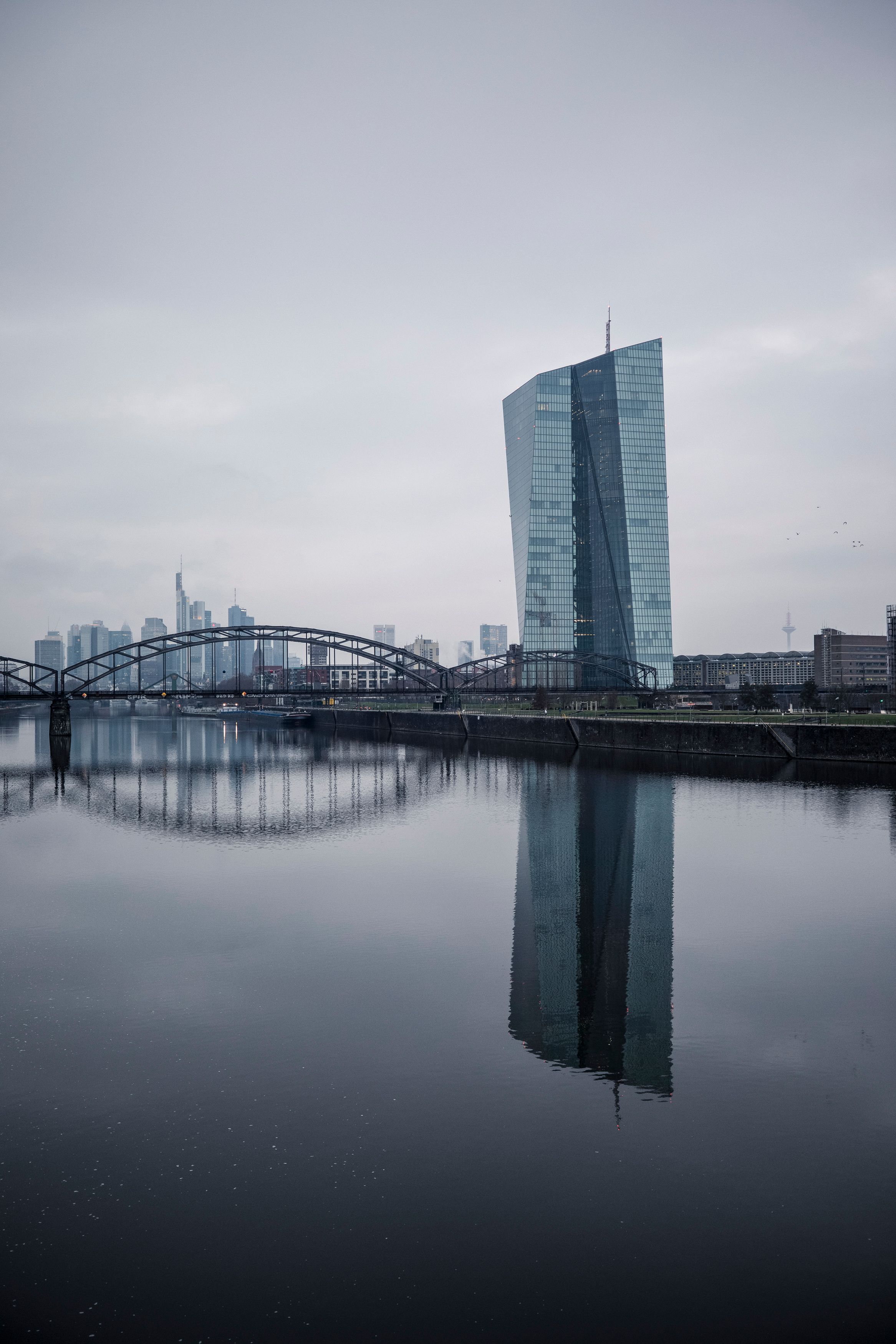
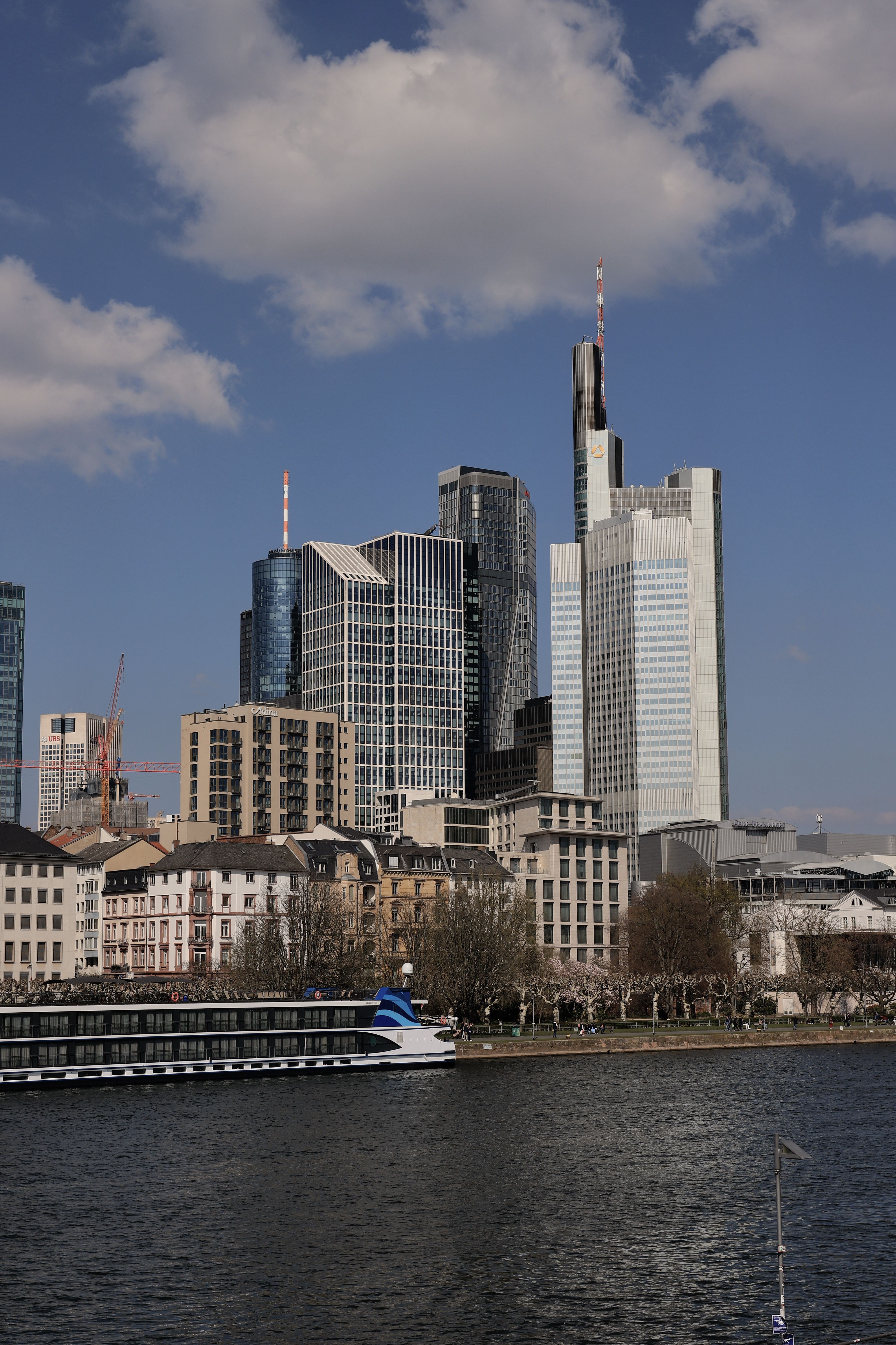
Frankfurt has a very different identity to Cologne, Heidelberg, Munich or Berlin. It's home to one of Europe's most distinctive skylines — the nickname "Mainhattan" isn't an exaggeration — while a short walk away sits a carefully reconstructed historic old town around Römerberg. Few German cities put centuries-old, half-timbered buildings and glass-and-steel skyscrapers quite so close together.
Frankfurt — where old Germany meets Mainhattan ✨
General visitor information, researched rather than drawn from personal experience.
Frankfurt's historic central square, framed by reconstructed medieval and Renaissance-style buildings and the city's iconic step-gabled town hall, the Römer.
The Kaiserdom sits just off Römerberg — a red sandstone church with centuries of imperial history and a tower you can climb for city views.
The pedestrian iron bridge across the river Main links the old town to Sachsenhausen, with good skyline views in both directions.
A run of museums along the riverbank on the Sachsenhausen side, covering everything from film to applied art to world cultures.
One of the few Frankfurt skyscrapers with a public observation deck, giving a proper overview of the skyline the city is known for.
The reconstructed birthplace of Johann Wolfgang von Goethe, a short walk from Römerberg.
A large botanical garden with glasshouses, popular for a quieter break from the city centre.
The district across the Main known for its traditional apple-wine taverns and a more local, less corporate atmosphere.
Making the most of a layover or a single night
Frankfurt Airport is one of Europe's busiest, and it has its own train stations built in, both regional and long-distance. Regional trains connect the airport to Frankfurt Hauptbahnhof (the main station) in roughly 10 to 15 minutes, which makes the city centre a genuinely realistic option even on a fairly short layover, provided you allow properly for security and immigration on the way back.
From the Hauptbahnhof it's a short tram or walkable distance into the old town around Römerberg. With a few hours you could reasonably manage Römerberg, the Cathedral and a walk along the Main; with a full night, adding the Main Tower or a wander through Sachsenhausen is realistic too. Frankfurt Hauptbahnhof is also one of the country's key rail hubs, with fast connections onward to Cologne, Munich, Berlin and beyond — part of why so many visitors end up passing through.
Always check current Deutsche Bahn and airport timetables before you travel, since schedules and journey times can change.
What Frankfurt is known for
Frankfurt has its own distinct food culture, most famously Apfelwein (apple wine), traditionally served in Sachsenhausen's taverns. Frankfurter Grüne Soße — a cold green herb sauce usually served with potatoes and egg — is a local specialty worth knowing about, along with the city's own style of Frankfurter sausage. This is general visitor information rather than a first-hand recommendation.
See more of Frankfurt than one night allowed
Because Nicola's own visit was so brief, Drive From Home is a genuinely useful way to explore Frankfurt's streets virtually — from Römerberg to the skyline — before deciding how much time to give it on your own trip.
Disclosure: Drive From Home is a partner of Two for the Row'd. If you use the link above we may earn a small commission at no extra cost to you.
Cologne
The city Nicola called home for a year.
Explore Cologne →Berlin
History you can feel on every street.
Explore Berlin →Munich
Biergartens, Bavaria and a visit to Dachau.
Explore Munich →Heidelberg
Fairytale Germany on the river Neckar.
Explore Heidelberg →