Brussels —
the city that gets completely under your skin
Nicola lived and studied in Brussels from 2005 to 2006 and fell completely in love with the city. Grand Place is one of Europe's most breathtaking squares. The Atomium is like nothing else. The beer culture is world-class. The food is exceptional. The people are warm. Brussels rewards time.
A year that changed everything
From study abroad to calling Brussels home.
Arriving in Brussels in 2005 to study, Nicola expected to be there for a year. What she found was a city that grew more interesting the longer she spent in it. Not because Brussels is traditionally beautiful in a postcard sense — it isn't, particularly. But because Brussels has a lived-in depth that reveals itself slowly.
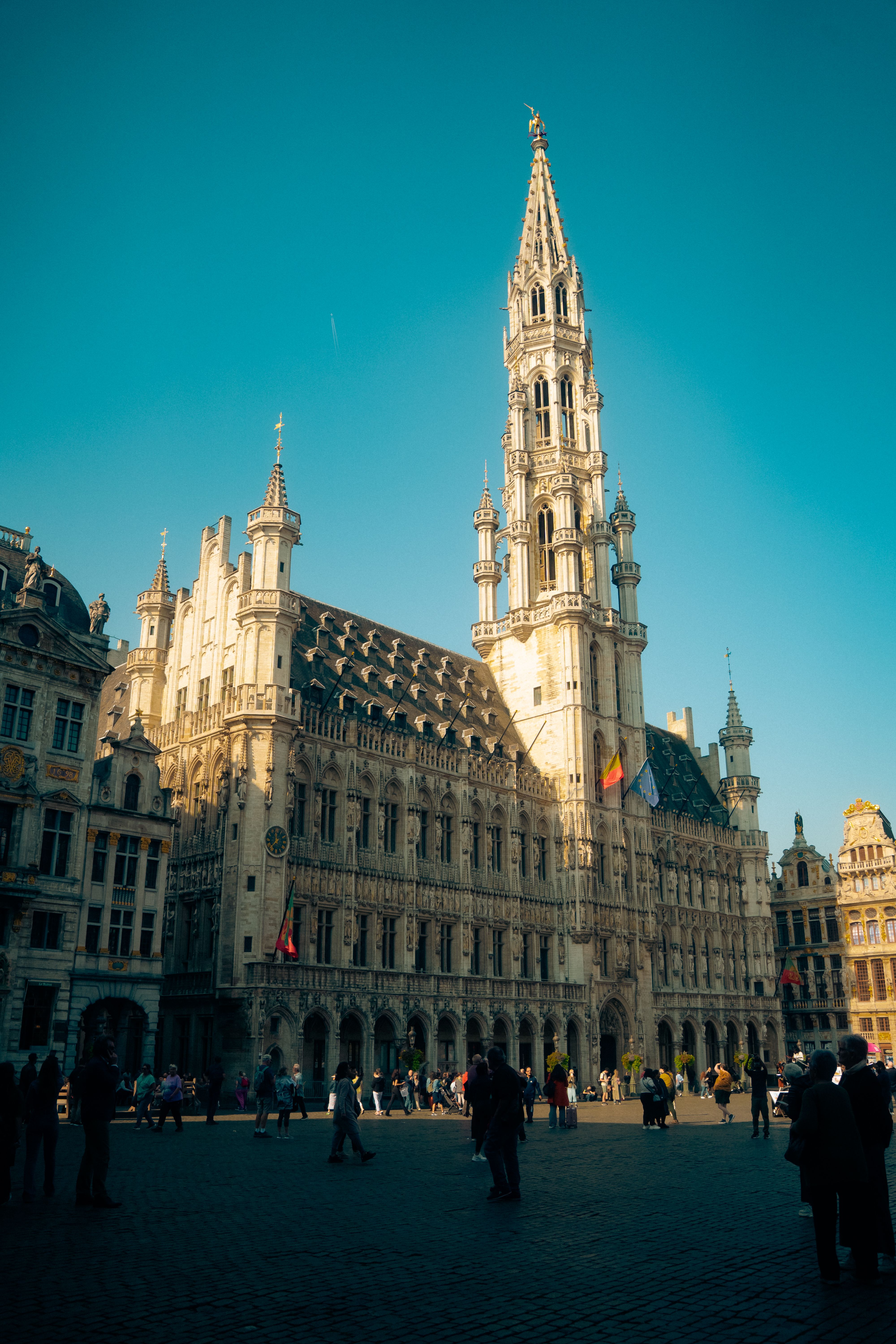
The first time you cross Grand Place it stops you in your tracks. UNESCO World Heritage Site surrounded by ornate Gothic and Baroque guild houses, the magnificent Town Hall, the perfect proportions that somehow make everything else in Europe feel a little less grand. But Grand Place is not just a square — it's a gathering place. Sit at one of the cafés ringing it and you understand why Brussels matters. People come here. They stay. They linger over coffee and beer.
The Atomium is different — a 102-metre-tall model of an iron crystal, built for the 1958 World Expo, quirky and futuristic and completely unlike anything else in Europe. It shouldn't work. Somehow it defines Brussels.
The neighbourhoods
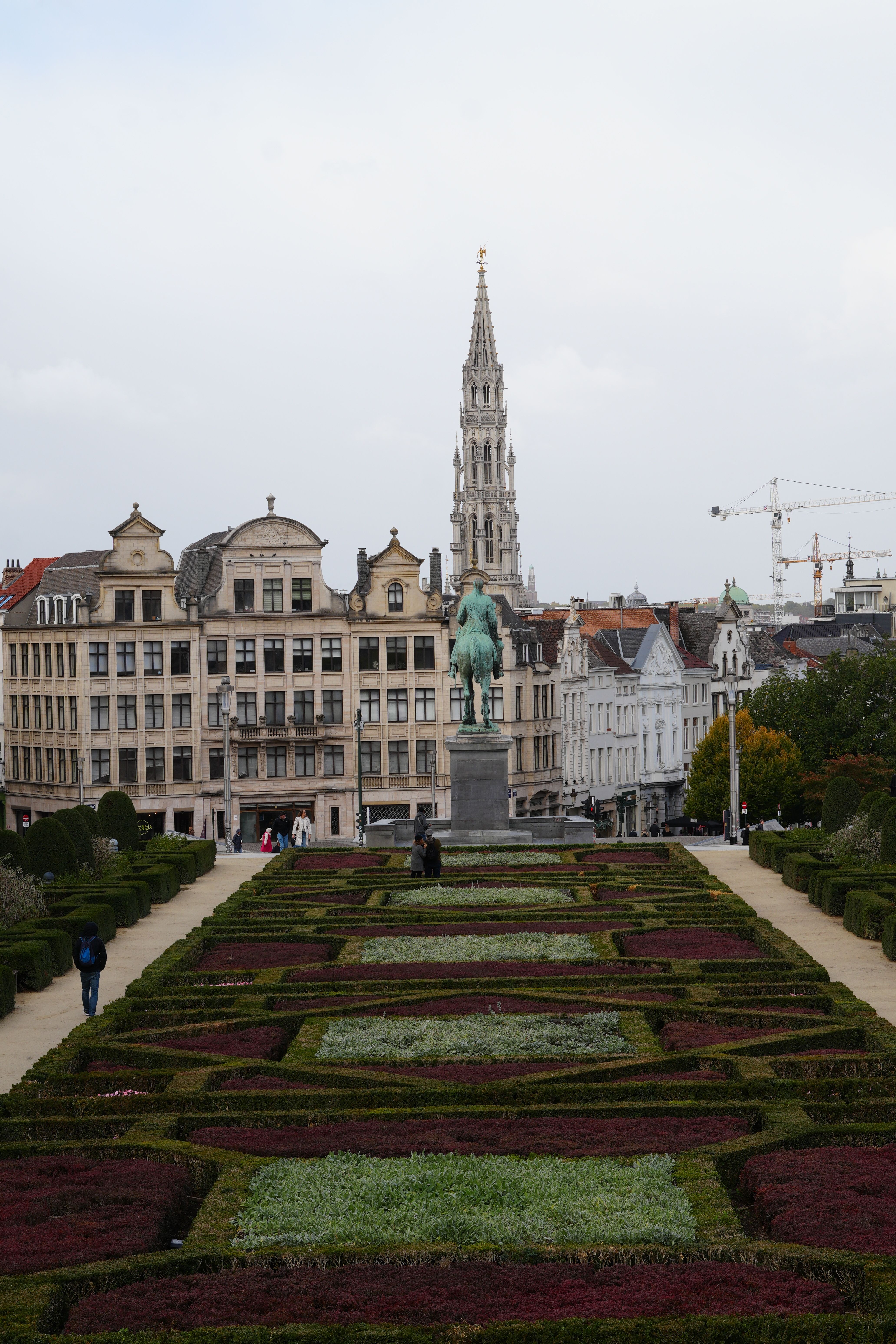
Brussels is not one thing. There's the Grand Place area and the EU quarter. There's the Sablon with galleries and antique shops. There's St-Gilles with its Art Nouveau treasures and lived-in charm. There are neighbourhoods filled with character that invite exploration. Living in Brussels means discovering these layers — understanding where locals actually live, where they drink, where they eat.
The beer culture
Belgium's brewing tradition runs deep, and Brussels is where it lives. The saying goes there are 365 beers brewed in Belgium, one for every day of the year. Abbey beers brewed by monks using centuries-old recipes. Trappist ales from monastic communities. Lambics with wild yeasts and fruit. Strong dark beers. Crisp pilsners. Every evening had something different to discover. Belgian beer culture is recognised by UNESCO as an Intangible Cultural Heritage of Humanity.
The food
Brussels waffles — fluffy, golden, often served with chocolate or fruit. Belgian chocolate that deserves its reputation. Frites with proper Belgian mayonnaise. Moules-frites — mussels and fries — a Belgian institution. Eating in Brussels is an event, a ritual, part of understanding the culture.
The café culture
This is where Brussels comes alive. Not rushing through a meal. Settling in. Having a coffee. Sitting with a beer for hours. Watching the city pass by. Connecting with people. This is not tourism — it's how you live in Brussels. The café is where everything happens. Find a café that's full of locals, not tourists. Sit. Stay a while. This is where you experience the real Brussels.
By the end of that year, Brussels was not somewhere Nicola had visited — it was somewhere she had lived. She knew the neighbourhoods. She had favourite cafés. She understood the culture. She could navigate the city in French. And she didn't want to leave.
The essential Brussels experiences
UNESCO World Heritage Site. One of the most spectacular squares in all of Europe. Go at dawn, at noon, at sunset, at night illuminated.
102 metres of retro-futuristic wonder. Built for the 1958 World Expo. Quirky, unforgettable, completely Brussels. €13-15 entry.
Brussels' most famous statue. A small boy statue that's surprisingly charming. Often dressed in costume. Free to see.
Historic neighbourhood with galleries, antique shops, churches. Beautiful and worth exploring. Saturday market is excellent.
St-Gilles and other neighbourhoods are filled with spectacular Art Nouveau buildings. The architecture is extraordinary and free to admire.
Magritte Museum, Belgian Comic Strip Center, Royal Museums of Fine Arts. Brussels has serious cultural depth (€10-15 per museum).
Best neighbourhoods for different travellers
Our advice: Choose a neighbourhood with personality (Sablon, St-Gilles, Les Marolles) over Grand Place. You'll spend less, experience more Brussels, and feel like a local rather than a tourist.
Transport, costs and logistics
Tip: Buy a 10-ticket card if staying 3+ days. Public transport is reliable and comfortable.
Budget breakdown per day
Accommodation (per night)
- Hostels: €25–45 (dorms)
- Budget hotels: €60–90
- Mid-range: €90–150
- Luxury: €150+
Food (per day per person)
- Street food/cheap eats: €8–15 (waffles, frites, sandwiches)
- Casual restaurants: €15–30 (lunch/dinner)
- Mid-range dinner: €30–50
- Fine dining: €50+
Drinks
- Beer in café: €3–5
- Coffee: €2–3
- Wine: €4–6
Attractions
- Atomium: €13–15
- Museums: €10–15 each
- Brussels Card (24h): €28 (includes transport + museums)
Budget example (per day)
Budget traveller: €60–80/day (hostel, street food, free walking, one paid attraction). Mid-range: €100–150/day (hotel, good restaurants, museums, transport). Luxury: €200+/day (nice hotel, fine dining, galleries).
Best time and what to expect
Weather note: Belgian weather is changeable year-round. Even in summer, rain is possible. Pack layers and a light rain jacket no matter when you visit. This isn't a deterrent — many Brusselians say the city is more beautiful in rain, when the buildings and wet cobbles glow.
Want to see what Brussels really looks like before you book? Drive From Home lets you virtually explore the streets, squares and architecture from your own home.
🚗 Drive Through Brussels NowDay trips and multi-city combinations
Brussels is perfectly positioned to explore Belgium. The rail network is excellent, tickets are affordable, and all other major Belgian cities are under 1 hour away.
- Bruges: 55 minutes (€13-15) — medieval perfection
- Ghent: 40 minutes (€13-15) — vibrant and independent
- Antwerp: 45 minutes (€9-12) — Flemish character
- Liège: 1 hour (€14-17) — Walloon soul
Suggested itineraries using Brussels
3 days: Brussels 2 days (Grand Place, Atomium, cafés) + 1 day trip to Bruges or Ghent.
5 days: Brussels 2 days + day trip to Bruges + day trip to Ghent + 1 day Antwerp or Liège.
7+ days: Brussels 2 days, then move through Belgium — Bruges 2 nights, Ghent 1 night, Antwerp 1 night, Liège 1 night. Or stay in Brussels and day trip each.
Best strategy: Stay in Brussels 2–3 nights to settle in, then either day trip from Brussels or move to 1–2 other cities. Rail connections are seamless.
What you need to know
Brussels is officially bilingual: French and Dutch (Flemish). In practice, French dominates daily life. Signs are in both languages.
Don't stress. The Brussels tourism industry is English-friendly. But effort with French is appreciated and rewarded with friendliness.
Plan your Brussels trip
Want expert guidance through Brussels and Belgium? TourRadar has brilliant multi-city tours.
Disclosure: This is an affiliate link. If you book through it we may earn a small commission at no extra cost to you.
Book your experiences on Klook
Skip-the-line tickets, city passes and activities — often cheaper than booking at the door.
Disclosure: If you book through this link we may earn a small commission at no extra cost to you.
Book Brussels experiences with GetYourGuide
Grand Place tours, beer tastings, Atomium tickets, food experiences and more:
Disclosure: If you book through these links we may earn a small commission at no extra cost to you.
Common questions