Aberdeen —
Scotland's distinctive northeast city where granite architecture, maritime heritage and academic tradition create an unexpected destination
Aberdeen is Scotland's third-largest city located in the northeast at the mouth of the River Dee. Known as the Granite City due to its distinctive architecture built from local granite quarries, Aberdeen presents a remarkably unified aesthetic — grey granite buildings create a coherent visual character found nowhere else in Scotland. The city has deep maritime roots — fishing and shipping have shaped Aberdeen's identity and continue to influence the city's character. The University of Aberdeen is Scotland's third-oldest university and Old Aberdeen retains the university quarter's historic character. Union Street is one of Scotland's grandest streets. The city centre blends Victorian and contemporary architecture. Beyond the city, Aberdeen serves as a gateway to Royal Deeside, Aberdeenshire's castles and the approaches to the Scottish Highlands. The North Sea location means weather is variable but dramatic. For visitors, Aberdeen offers authentic Scottish city character without the overwhelming tourist infrastructure of Edinburgh or Glasgow. The city is compact and walkable with genuine local atmosphere.
We visited Aberdeen as part of our wider travels around Scotland, on the same trip that took us through the Scottish Highlands. We don't have reliable notes now on exactly which Aberdeen attractions, restaurants or neighbourhoods we visited, so we're not going to invent them. This guide combines that genuine personal connection with researched destination information to help you plan your own visit.
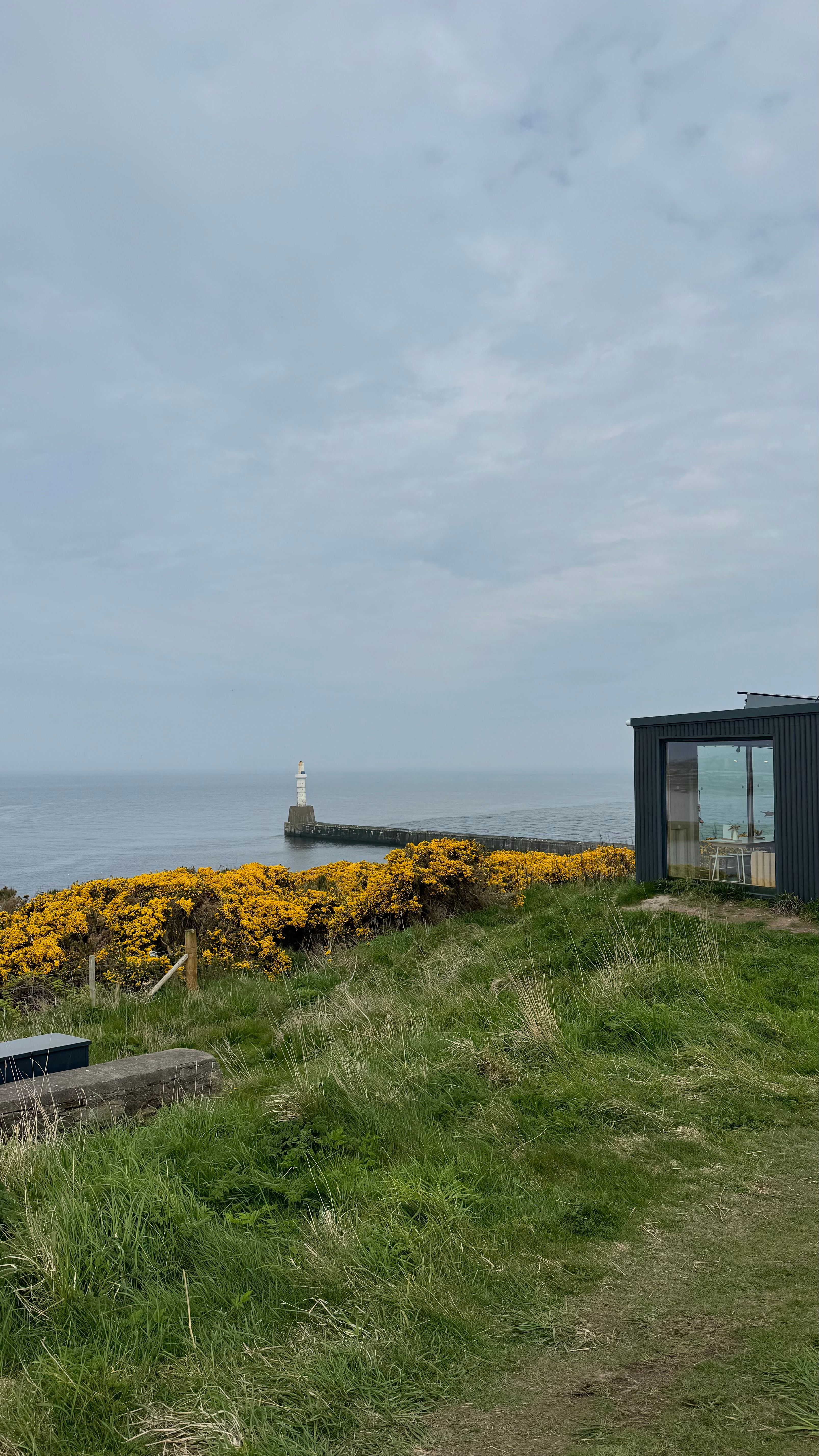
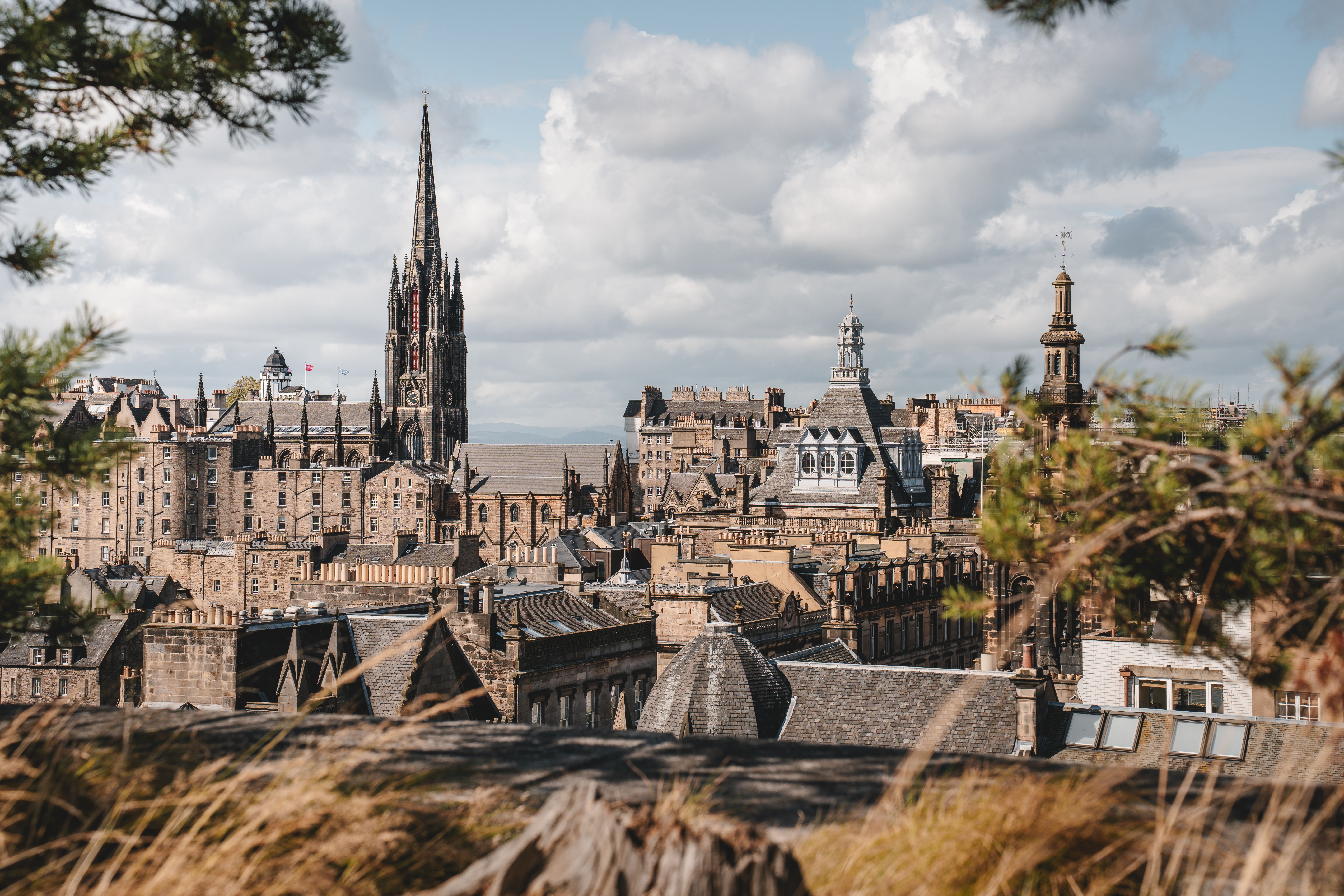
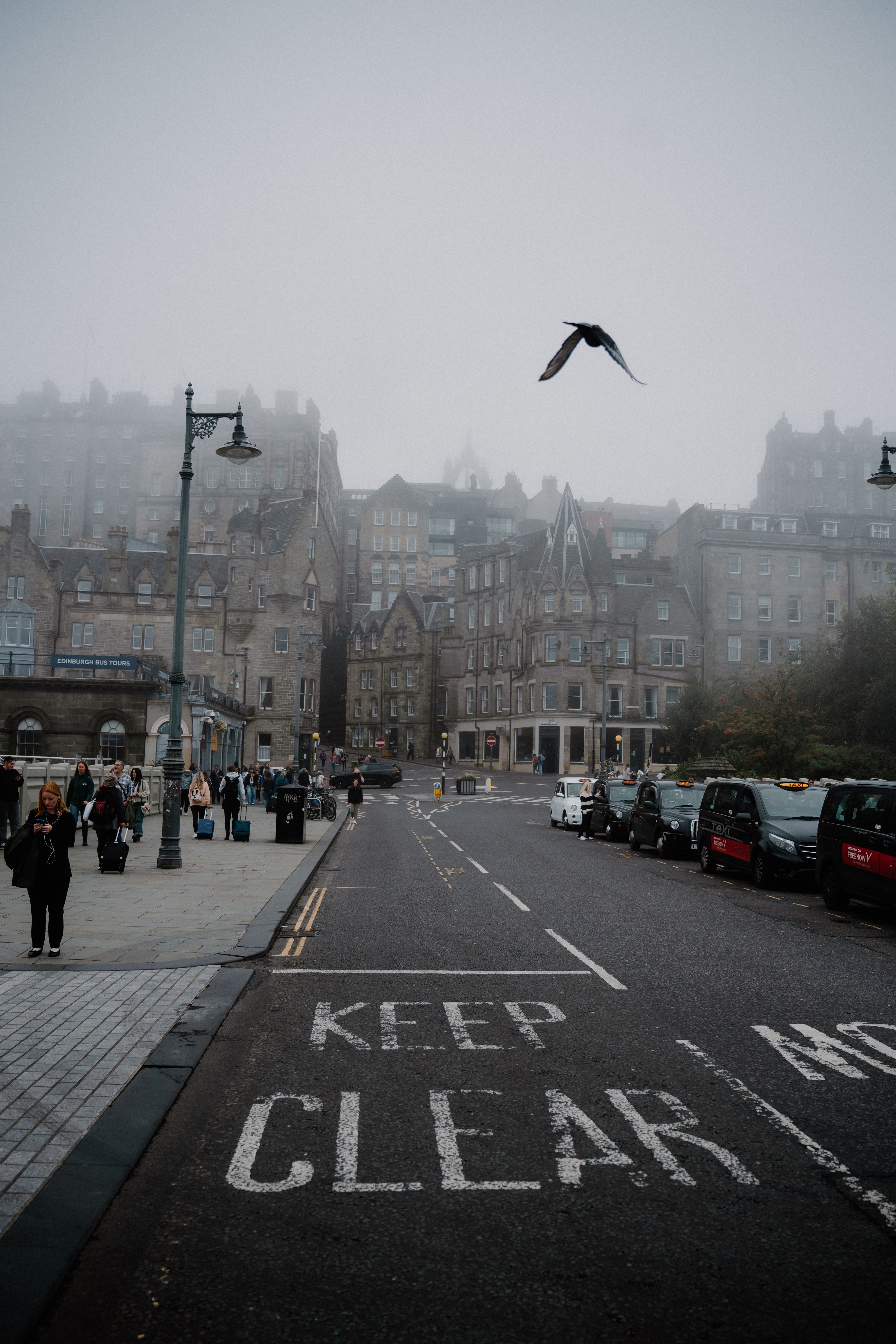
From medieval settlement to granite city
Aberdeen developed as a medieval settlement at the confluence of the River Dee and River Don. The location was strategically important for trade and defence. The city received its charter in the 12th century. Over medieval and early modern periods, Aberdeen developed as a significant trading port and market town.
The University of Aberdeen was founded in 1495, making it Scotland's third-oldest university (after St Andrews and Glasgow). The university was established in Old Aberdeen, the historic quarter north of the River Don. The university's presence shaped the city's intellectual identity and continues to do so.
Aberdeen's modern character was fundamentally shaped by the granite industry. In the 18th and 19th centuries, granite quarrying became a major industry. Local granite was quarried and used extensively for building — first locally, then exported to other cities. The widespread use of granite in Aberdeen's construction created the city's distinctive unified aesthetic. The granite gives Aberdeen a distinctive grey appearance, earning it the nickname "the Granite City".
The 20th century brought industrial expansion and the discovery of North Sea oil in the 1970s transformed Aberdeen into a major oil industry centre. Offshore engineering and oil services became dominant economic sectors alongside traditional fishing and maritime industries.
Aberdeen's distinctive granite aesthetic
Aberdeen's nickname "the Granite City" derives from the extensive use of local granite in the city's buildings. The granite was quarried from Kemnay and other nearby quarries and widely used for construction from the 18th century onward. The result is a city where the vast majority of buildings are constructed from grey granite, creating a visually coherent and distinctive aesthetic unlike anywhere else in Scotland.
Walking through Aberdeen's streets, the granite is immediately apparent — buildings from various periods (Victorian, Edwardian, modern) are all unified by the granite construction. The stone catches light differently depending on weather and time of day, creating varying appearances. Sunshine highlights the stone's texture and colour variations. Rain darkens the granite, creating a dramatic monochromatic landscape.
The granite gives Aberdeen a serious, dignified appearance — the buildings have permanence and solidity. The material's abundance and affordability in the 19th century meant that even modest buildings were constructed from granite, so the effect is pervasive throughout the city rather than limited to prestigious structures.
Compact and navigable
Aberdeen's city centre is compact and easily navigable on foot. The main commercial and visitor areas are contained within a manageable walking area. Union Street is the main thoroughfare running east-west and represents the commercial heart. Surrounding streets, lanes and squares contain shops, restaurants, galleries and attractions.
The city centre blends historic architecture with contemporary development. Victorian and Edwardian buildings sit alongside modern shops and cultural venues. The overall effect is of a functioning contemporary city with historical depth rather than a preserved historic town.
One of Scotland's grandest streets
Union Street is Aberdeen's main street and one of Scotland's most impressive urban thoroughfares. Running roughly east-west through the city centre, Union Street is wide, grand and lined with impressive granite buildings. The street was developed in the 19th century as Aberdeen expanded and modernized.
Union Street's impressive width and building heights create an imposing urban environment. The street contains major shops, offices, restaurants and cultural institutions. The street's scale is impressive — the buildings create a canyon-like effect in places. Walking Union Street provides sense of Aberdeen's Victorian confidence and prosperity.
Aberdeen's most striking building
Marischal College is one of Aberdeen's landmark granite buildings. Marischal College was founded in 1593 as a separate university and merged with King's College in 1860 to form the modern University of Aberdeen.
The imposing Broad Street building seen today is largely a 19th- and early-20th-century Gothic Revival complex, renowned for its elaborate granite frontage. Following major restoration, most of Marischal College has served as Aberdeen City Council's headquarters since 2011, while the university retains parts of the complex. It is best appreciated by most visitors from the surrounding public realm rather than treated as a conventional visitor attraction.
Medieval streets and academic heritage
Old Aberdeen is the historic university quarter in the north of the city, close to the River Don. The area contains the University of Aberdeen's historic buildings, medieval streets and academic heritage. Old Aberdeen has a distinctly different character from the granite Victorian city centre — medieval street patterns, older buildings, and a focus on academic rather than commercial functions create a different atmosphere.
The area is compact and rewarding to explore on foot, with historic streets and university buildings from several periods. Its character is distinct from the largely 19th-century granite city centre and gives a strong sense of Aberdeen's long academic history.
Scotland's third-oldest university
King's College was founded in 1495 as the University of Aberdeen (originally in Old Aberdeen). The college is Scotland's third-oldest university after St Andrews (1413) and Glasgow (1451). The founding predates most Scottish universities — Aberdeen is an intellectually significant city with deep academic roots.
King's College features historic buildings, a quadrangle and a distinctive chapel. The college's architecture reflects its age and status. The college and surrounding university buildings dominate Old Aberdeen. The university remains an important institution — contemporary research-level academic work occurs at the University of Aberdeen despite the historic setting.
Medieval cathedral and historic landmark
St Machar's Cathedral is Aberdeen's most significant religious building, located in Old Aberdeen. The cathedral dates from medieval times (construction began in the 14th century though building continued for centuries). The cathedral features a distinctive twin-spired tower and granite construction.
St Machar's is an impressive example of Scottish medieval architecture. The cathedral is a functioning church with services ongoing. Visitors can often access the building — the interior contains historic features and provides sense of centuries of religious history in Aberdeen.
Aberdeen's relationship with the sea
The Aberdeen Maritime Museum documents the city's deep maritime heritage. Aberdeen is located at the mouth of the River Dee on the North Sea coast — maritime commerce has been central to the city's identity for centuries. Fishing was historically the dominant maritime industry — Aberdeen developed as a major fishing port with fishing boats and fish trading defining the city.
The museum covers fishing history, shipping, offshore oil and gas industry development (particularly important after North Sea oil discovery), and maritime heritage broadly. The museum provides context for understanding Aberdeen's economic development and ongoing relationship with the sea.
Visual arts and cultural venue
Aberdeen Art Gallery is the city's major art museum featuring both historical and contemporary art collections. The gallery occupies an impressive building in the city centre and hosts exhibitions alongside its permanent collections. The gallery provides access to visual arts and cultural programming in Aberdeen.
Narrow lanes and fishing heritage
Footdee (locally known as "Fittie") is a distinctive neighbourhood at Aberdeen Harbour. Originally a fishing village, Footdee retains a unique character with narrow lanes, closely-spaced buildings and fishing heritage. The area has historically been home to fishermen and fishing-related workers. Today the area combines heritage character with modern development, residential use and harbor activity.
Footdee's narrow lanes, closely-spaced cottages and working harbor environment create distinctive atmosphere and visual character. Footdee is a residential neighbourhood beside Aberdeen's working harbour, so visitors should remember that the cottages and lanes are people's homes. Its setting reflects the city's long relationship with fishing and the sea.
Sandy beach and waterfront promenade
Aberdeen has a sandy beach and extensive waterfront area with promenade. The North Sea location means water temperatures are cold but the beach offers dramatic scenery and outdoor recreation opportunities. The promenade provides walking space alongside the sea. The beach and promenade are popular for walking and recreation; anyone considering swimming should check current local conditions and safety advice. The beach creates a distinctive setting — the sea's proximity shapes weather and atmosphere throughout Aberdeen.
Working port and maritime centre
Aberdeen Harbour is one of Scotland's most important ports. The harbour remains a functioning working port with fishing boats, cargo operations and maritime activity. Historic fishing remains important though now represents a smaller proportion of harbor activity compared to offshore oil and gas support operations developed after North Sea oil discovery.
Aberdeen Harbour is an active commercial port, so access to operational areas is restricted. Public areas around the harbour and nearby Footdee still provide a sense of the city's maritime setting without entering working port zones.
Aberdeen as a gateway to the region
While Aberdeen itself is the city destination, the surrounding Aberdeenshire region contains numerous historic castles and attractions worth exploring as excursions. Castles are a major part of Aberdeenshire's visitor appeal, with historic sites scattered across the region. Notable castles include Crathes Castle, Balmoral Castle (royal residence), Braemar Castle and others.
Royal Deeside (the River Dee valley) is historically significant — the royal family has maintained residences in the area since the 19th century. The landscape combines castle heritage, river scenery and countryside character. Day trips from Aberdeen to explore Aberdeenshire castles and countryside are popular and rewarding.
Dramatic clifftop ruins — a possible day trip
Dunnottar Castle is a dramatic ruined castle perched on a clifftop south of Aberdeen near Stonehaven (roughly 30 kilometres away). The castle's location on a rocky promontory surrounded by cliffs creates a spectacular visual setting. The castle is one of Scotland's most photographed ruins due to its dramatic setting.
Dunnottar Castle is straightforward to visit from Aberdeen by car or public transport; buses from Aberdeen stop near the castle, while Stonehaven is also served by rail. The castle remains are open to visitors with admission charged. The castle's history spans centuries — the site was fortified in medieval times and the existing structures date from various periods. The ruined condition and dramatic location create atmosphere and visual impact.
River valley, castles and Highland approaches
Royal Deeside refers to the River Dee valley west of Aberdeen. The valley combines river scenery, castle locations, countryside and forest. The area is historically significant due to royal associations — Balmoral Castle (royal residence) is located in the valley. Various castles, estates and outdoor attractions are scattered throughout the region.
The Deeside area represents transition between Aberdeenshire's agricultural lowlands and the Scottish Highlands. The landscape offers countryside character, river views and walking opportunities. Day trips from Aberdeen to explore Deeside are feasible for visitors interested in castles, countryside and Highland approaches.
Gateway to highland Scotland
While Aberdeen is not itself in the Scottish Highlands, it serves as an access point and base for exploring highland Scotland. The Cairngorms National Park and broader Highlands lie west and southwest of Aberdeen. Aberdeen can also be combined with a wider northeast Scotland or Highlands itinerary.
Our comprehensive guide to the Scottish Highlands covers exploration of these areas. Aberdeen works well as a city stop for travellers combining northeast Scotland with a broader Highlands trip.
Book Aberdeen experiences
Museums, galleries, tours and activities throughout Aberdeen and Aberdeenshire.
Disclosure: If you book through these links we may earn a small commission at no extra cost to you.
Explore Aberdeen and Scotland with TourRadar
If you'd prefer to explore Aberdeen as part of a guided tour, TourRadar has options ranging from focused Aberdeen city tours to multi-day Scottish explorations that include Aberdeen alongside Highlands and other destinations.
Disclosure: Affiliate link — we may earn a small commission if you book.
Virtual driving and travel experience
Drive From Home offers a virtual driving experience through Aberdeen, allowing you to explore the city's granite streets, harbor, city centre and surrounding Aberdeenshire region from home. This is an excellent way to familiarize yourself with Aberdeen's layout before visiting or to experience the city virtually if travel isn't possible.
Essential Aberdeen highlights
Morning: Start at Union Street and explore the granite city centre. Visit Marischal College to view the impressive facade. Explore the surrounding city-centre streets and granite architecture.
Midday: Visit the Maritime Museum to understand Aberdeen's harbor heritage and North Sea history. Visit Footdee respectfully to see its distinctive fishing-community heritage beside the harbour. Have lunch at a local cafe or restaurant.
Afternoon: Explore Old Aberdeen and King's College, visiting St Machar's Cathedral. Explore the historic university quarter and its academic heritage.
Evening: Walk along the beach and waterfront promenade. Visit Aberdeen Art Gallery if time permits. Have dinner in the city centre and experience Aberdeen's contemporary local atmosphere.
Explore the city and surrounding region
Day one: Follow the one-day itinerary above, allowing more leisurely pace and deeper exploration of museums and neighborhoods.
Day two: Make an excursion to nearby attractions — Royal Deeside castles, Dunnottar Castle, Stonehaven village or other Aberdeenshire attractions. Alternatively, explore Aberdeen more thoroughly — additional galleries, neighborhoods beyond the tourist core, or longer walks along the beach and waterfront. Local pubs and cafes provide authentic Aberdeen experience.
Minimum: A half-day works for experiencing Aberdeen's essential character — the Granite City architecture, Union Street, Marischal College, the harbor. It's quick but captures something of Aberdeen's distinctive atmosphere.
Ideal: One night/one full day in Aberdeen allows comfortable exploration of the city centre, Old Aberdeen, museums and harbour without constant rushing. This feels satisfying and comprehensive.
Extended: Two nights or more in Aberdeen lets you explore thoroughly, make excursions to Aberdeenshire castles or Royal Deeside, experience local pubs and restaurants, walk the beach and waterfront, and understand Aberdeen as a living city rather than a tourist destination.
Aberdeen by season
Spring (March-May): Weather is variable but becoming milder. Days lengthen. Fewer crowds than summer. Good time for city exploration without peak tourism.
Summer (June-August): Generally the mildest period, with long daylight hours. Weather can still change quickly, so layers and waterproofs remain useful.
Autumn (September-October): Cooler days and changing conditions can make this a good time for city exploration. Visitor levels may ease after summer, but weather remains changeable.
Winter (November-February): Cold and potentially wet. Days are short. Fewer crowds. Various cultural events and activities continue. Atmospheric in winter light.
Transport options
By train: Aberdeen has direct rail connections with Edinburgh, Glasgow, Inverness and destinations farther south. Journey times and frequencies vary, so check current timetables when planning.
By car: The A90 is the principal road approach from the south. Driving times vary with your starting point, traffic and stops.
By coach: Long-distance coaches connect Aberdeen to other UK cities. Generally cheaper than trains but slower.
By air: Aberdeen International Airport serves domestic and international routes. Check the airport's current destination list and ground-transport options before travelling.
Transport within the city
On foot: The city centre is compact and walkable. Most attractions are within walking distance. Walking is the best way to experience the granite architecture and city character. Comfortable shoes are essential.
Buses: Local buses connect the city centre with other parts of Aberdeen. Check current routes and fares for the journeys you need.
Taxis: Available for point-to-point travel. Useful if carrying luggage or reaching specific accommodations.
Car for excursions: Having a car is useful for exploring Aberdeenshire castles, Royal Deeside and nearby attractions like Dunnottar Castle. Public transport exists but a car offers flexibility for exploring the region.
Find your Aberdeen accommodation
Hotels, guest houses and apartments throughout Aberdeen.
Disclosure: If you book through these links we may earn a small commission at no extra cost to you.
Choosing where to stay
City centre/Union Street area: Most convenient for exploring shops, restaurants and attractions. Walking distance to museums and main attractions. Can be busier with street activity. Premium pricing.
Old Aberdeen: Quieter academic area with university character. Walking distance to King's College and medieval streets. Less touristy than city centre.
Waterfront/harbour area: Quieter location with access to beach and harbor. Slightly further from city centre but accessible by short walk or bus.
Budget: Accommodation prices vary by date, location, events and demand, so compare current rates rather than assuming Aberdeen will always be cheaper than other Scottish cities.
Eating in Aberdeen
Seafood: Aberdeen's location on the North Sea and maritime heritage mean seafood is emphasised. Fish, shellfish and traditional Scottish seafood dishes are prominent. Local fishing provides fresh ingredients.
Scottish cuisine: Traditional Scottish food is widely available — haggis, venison, lamb and other Scottish specialities. Various restaurants emphasise local and Scottish ingredients and cooking.
Traditional pubs: Various pubs serve real ale and pub food. Many have historical significance and local character. Good for experiencing authentic Aberdeen atmosphere.
Contemporary restaurants: Various restaurants offer modern cuisine and international options alongside Scottish traditional food.
Cafes: Various cafes offer tea, coffee and light meals throughout the city.
Weather and what to expect
Aberdeen's North Sea location means weather is variable and potentially changeable. Rain is common — waterproof jackets are sensible year-round. Wind can be significant due to coastal location. Summer generally brings milder temperatures and longer daylight, but conditions remain variable. Winter brings shorter days and colder conditions. Layering is essential for comfort as weather changes throughout the day.
Money and costs
Aberdeen uses British Pounds Sterling (£). Trip costs vary considerably depending on accommodation, transport, dining and paid attractions. Check current admission prices and hotel rates when budgeting.
Common questions
Aberdeen FAQ
Ready to explore Aberdeen?
Aberdeen brings together granite architecture, university heritage and a strong relationship with the North Sea. Explore the city itself, then use it as a starting point for Aberdeenshire, Royal Deeside or a wider Scottish road trip.