The Scottish Highlands —
the ultimate road trip through jaw-dropping scenery
The Scottish Highlands remain one of the greatest road trips in Europe. Every turn reveals mountains more dramatic than the last, lochs that glimmer beneath towering cliffs, and scenery that genuinely takes your breath away. From Stirling Castle to Glencoe, Fort William, Loch Ness and beyond — the Highlands deliver a road trip experience that is world-class. This is a landscape that demands time, demands exploration and rewards both in equal measure.
We drove through the Scottish Highlands ourselves and it remains one of the most spectacular road trips we've ever done. The landscape is genuinely extraordinary — mountains that rise sharply from the valleys, lochs that feel impossibly deep, and the sense of driving through genuinely wild country.
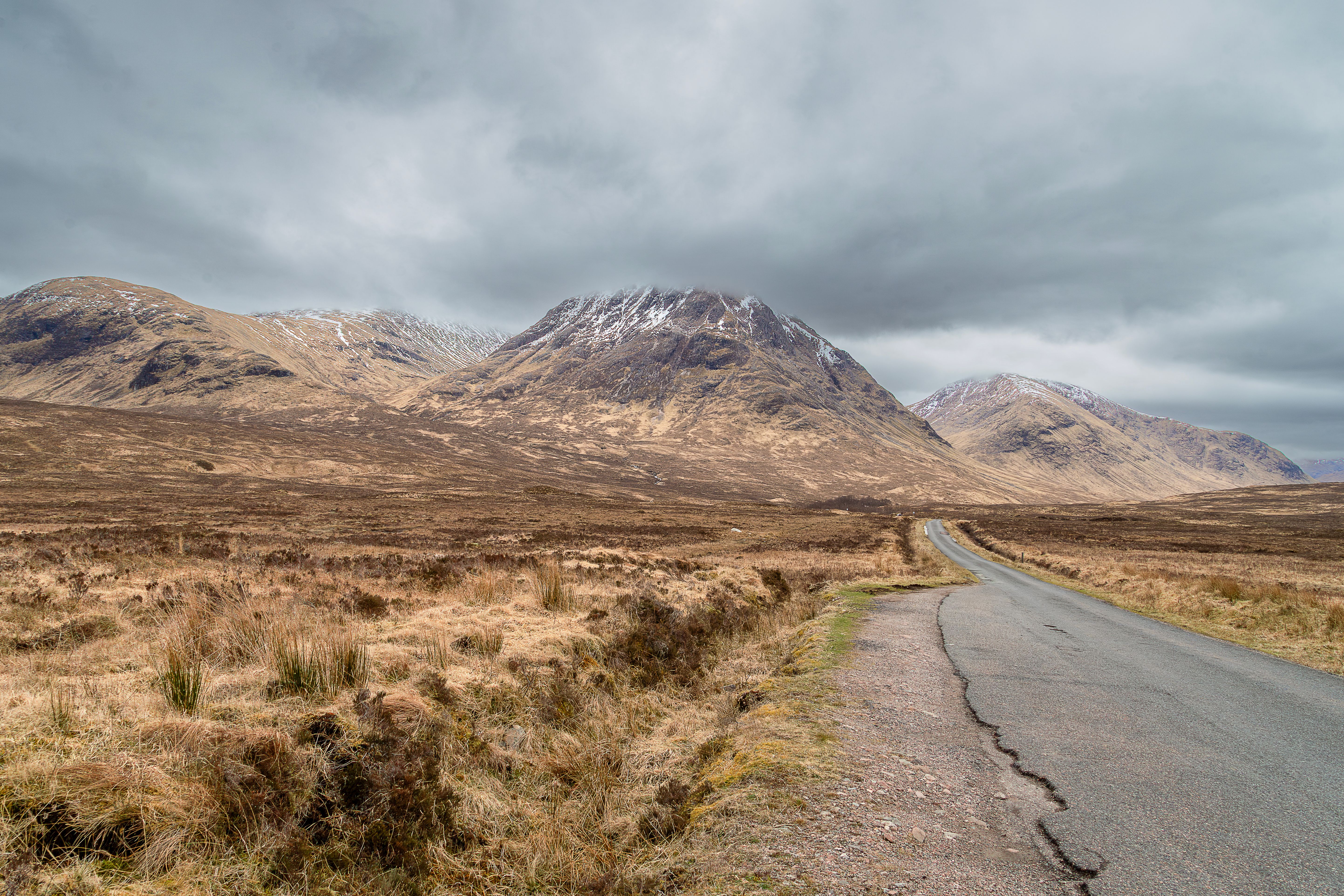
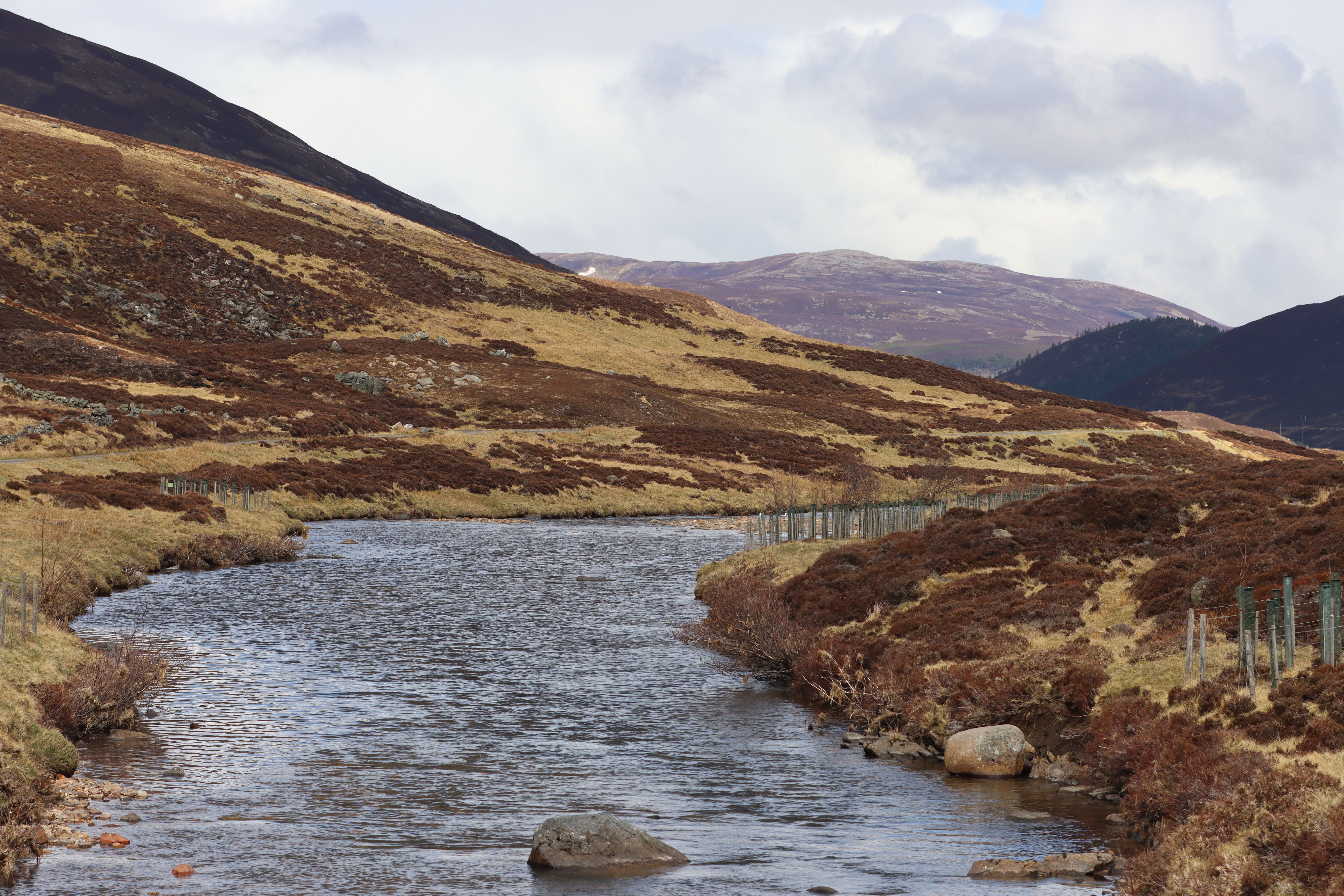
We visited Stirling Castle before heading into the Highlands proper, drove through Glencoe and saw why the Three Sisters are so iconic, spent time around Fort William and explored Loch Ness. We drove the Ayrshire coast and saw seals along the shoreline. Every section of the journey rewarded exploration — stop wherever catches your eye, walk where the mood takes you, and let the landscape set the pace.
Why the Highlands are a road trip destination
The Scottish Highlands are best experienced by car — you need the freedom to stop when something catches your eye, to take smaller roads that cut through valleys and glens, to drive at your own pace. The main routes are excellent, but it's the smaller roads and the stopping points that make the Highlands special.
Driving isn't rushed here — it's part of the experience. A road that should take four hours often takes six or seven because you're stopping at viewpoints, pulling off to photograph the view, walking into glens or sitting by lochs. That's exactly how it should be.
Classic Highland routes
Stirling to Glencoe via the A82: The gateway to the Highlands. Stirling Castle first, then head north and the landscape gradually becomes more dramatic until Glencoe hits you — one of the most recognisable views in Scotland. The A82 is spectacular and busy (especially in summer) but it's worth it.
Glencoe to Fort William: Continue on the A82 past the Three Sisters. Fort William sits at the base of Ben Nevis, Britain's highest mountain. From here you can explore Loch Ness, head towards the Great Glen Way or continue further north towards Inverness and the far north of Scotland.
The Ayrshire Coast: If you're approaching from the south and have time, the Ayrshire coast is lovely. Coastal scenery, charming towns like Troon, and the chance to see seals along the shoreline. Not as dramatic as the high mountains but beautiful in a different way.
Loch Ness and Inverness: Loch Ness is famous (mostly for the legendary monster) but genuinely beautiful. The drive along the loch is atmospheric, and Inverness at the northern end is a good base. The landscape here is different — wilder in places, more open.
Stirling Castle
A natural starting point before heading into the Highlands. Stirling Castle is perched on a volcanic hill and dominates the town — it's one of Scotland's most important castles with a fascinating history. The views over the Forth Valley from the castle ramparts give you a sense of why this location has been strategically important throughout Scottish history.
Allow a few hours to explore the castle before heading north into the Highlands proper.
Glencoe and the Three Sisters
Glencoe is one of the most photographed views in Scotland for good reason — the Three Sisters (three mountains that define the glen) are genuinely iconic. The A82 cuts through the glen and viewpoints line the route. Stop frequently and walk into the glen at different points to get different perspectives.
The landscape here is dramatic and wild — it feels genuinely remote even though the main road runs through it. In good weather it's spectacular, in bad weather it's atmospheric and moody in equal measure.
Fort William
Fort William sits at the base of Ben Nevis, Britain's highest mountain. The town itself is functional rather than charming, but it's a good base for exploring the surrounding highlands. From here you can access Loch Ness, head to Inverness, or explore the mountains around Ben Nevis.
If you're into hiking, Ben Nevis is the obvious challenge — it's well-trodden and accessible to most fitness levels, though don't underestimate it. If hiking isn't your thing, there are countless walks and viewpoints in the surrounding area.
Loch Ness
Famous for its legendary monster, but genuinely atmospheric in its own right. The loch is long and deep and the road that runs alongside it (the A82 on the eastern shore) is scenic. Stop at various points to walk down to the loch, explore small villages, and just sit and take in the wild Highland scenery.
The village of Fort Augustus at the southern end of the loch is a good base if you want to explore from there. Inverness at the northern end is a larger town with more facilities.
Ayrshire Coast and seals
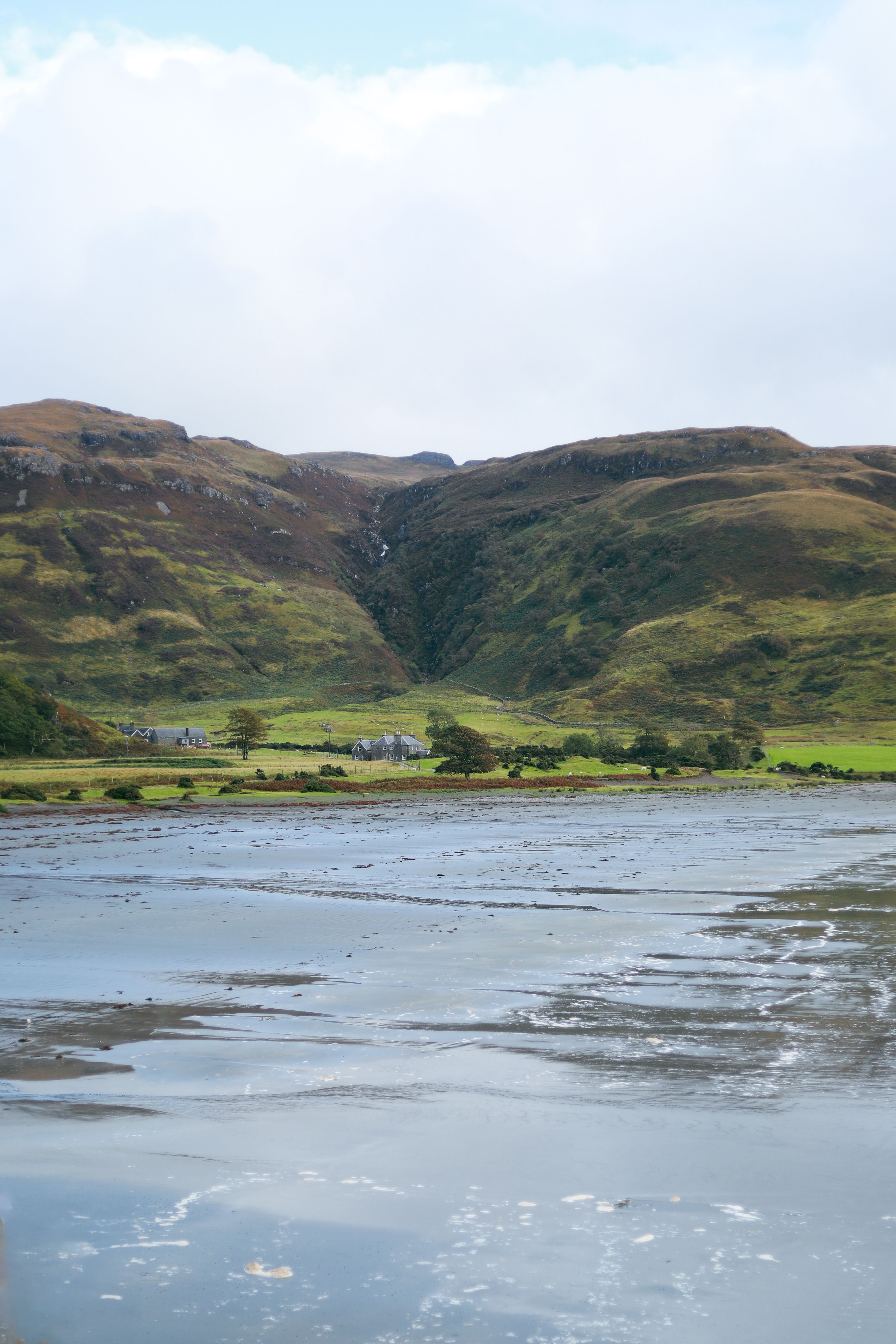
If you're approaching the Highlands from the southwest or have extra time, the Ayrshire coast is worth exploring. Charming towns like Troon, coastal scenery and the chance to see seals along the shoreline (we saw them on our visit). It's a different kind of Scottish landscape — rolling countryside meeting the sea rather than dramatic mountains — but beautiful nonetheless.
Road conditions and safety
Highland roads vary from excellent main routes to challenging single-track roads. The A82 (Stirling to Fort William) is good but can be busy in summer. Smaller roads can be narrow, winding and demand concentration. Locals know these roads well and often drive faster than visitors should.
Drive to the conditions: Highland weather can change rapidly — rain, fog, wind and even snow are possible even in summer. Roads can become slippery quickly. Drive slower than you might at home, give yourself time, and don't rush.
Fuel up regularly: Small villages and towns can be far apart. Fill up whenever you see a petrol station — don't risk running empty on a remote Highland road.
Single-track roads: Many Highland roads are single-track with passing places. If you meet a vehicle coming the other way, pull into a passing place and let them pass. It's a system that works well and locals are generally courteous.
Distance and driving times
Stirling to Glencoe: ~80 km, roughly 1.5 hours direct but allow 2-3 hours with stops.
Glencoe to Fort William: ~40 km, roughly 1 hour but allow 2-3 hours with stops and exploration.
Fort William to Inverness: ~160 km, roughly 2.5 hours direct but allow 4+ hours with stops — this is a stunning drive and worth taking slowly.
Ayrshire coast loop: Variable depending on your route, but 2-3 days exploring the coast and working north gives you good time to see and do things without rushing.
Best time to drive the Highlands
Late spring (May-June): Days are long, weather is improving, and the landscape is lush and green. Wildflowers are blooming. Good visibility and comfortable temperatures.
Summer (July-August): Longest days and warmest weather, but busiest. Roads can be congested, accommodation books up early, and prices are higher.
Autumn (September-October): Often considered the best time. Weather is still reasonable, the landscape has golden and russet tones, and it's less busy than summer. Clear crisp days are common.
Winter (November-March): Cold, short days and unreliable weather. Roads can become treacherous. Not ideal for a first visit, though winter Highlands have a wild beauty if you're prepared for the conditions.
Renting a car
You'll need to rent a car to properly explore the Highlands (unless doing a guided tour). Book in advance, especially for summer travel. Note that UK drives on the left side of the road — if you're used to driving on the right, give yourself time to adjust and drive defensively.
Automatic transmission cars are more comfortable for mountain driving if you're not used to manual shift. Choose a vehicle with good ground clearance for smaller Highland roads — small city cars can struggle on rougher surfaces.
Explore the Highlands from home
Want a feel for the Highlands before you go? Take a virtual drive around Fort William and Inverness with Drive From Home and explore the roads and scenery from wherever you are.
Fort William
Inverness
Minimum: A 2-3 day road trip (Stirling to Glencoe to Fort William and back) gives you a taste of the Highlands and captures the essential scenery. It's rushed but possible.
Ideal: 5-7 days lets you explore properly. Start at Stirling Castle, drive through Glencoe, spend time around Fort William, explore Loch Ness and Inverness, and return via the Ayrshire coast if you have time. You can explore at a proper pace, make unexpected stops and detours, and actually feel like you've experienced the Highlands rather than ticked boxes.
Extended: 2 weeks in the Highlands lets you explore deeply. You have time for the main routes plus side trips into glens, higher hills, and smaller communities. You could include the far north, the west coast, or the islands. This is the way to really know the Highlands.
Explore the Scottish Highlands with TourRadar
If you prefer to explore the Highlands with a guided tour rather than drive yourself, TourRadar has excellent options ranging from short intensive tours to longer journeys that explore the region thoroughly.
Disclosure: Affiliate link — we may earn a small commission if you book.
Book Highlands experiences
Mountain hikes, Loch Ness cruises, Ben Nevis guides, local food tours and more.
Disclosure: If you book through these links we may earn a small commission at no extra cost to you.
Find your Scottish Highlands accommodation
Hotels, cottages and guesthouses across Fort William, Inverness, Glencoe and the Highland towns.
Disclosure: If you book through these links we may earn a small commission at no extra cost to you.
Staying in the Highlands
Fort William is the main hub on the A82 and has the best range of accommodation. Inverness at the northern end of Loch Ness is larger and has more facilities. Smaller villages scattered through the Highlands offer guesthouses and cottages that can be charming.
Try to stay somewhere central to the areas you want to explore rather than one base — the Highlands spread across a large area and you don't want to spend all day driving back to the same hotel each night.
Food and drink
Highland towns and villages have pubs serving good food and local Scottish ales. Don't expect fine dining everywhere — places can be functional and basic outside major towns — but the food is genuine and good value. Smaller villages may have limited options so plan ahead.
Whisky distilleries dot the Highlands — many offer tours and tastings. If you're into whisky, this is an excellent region to explore different styles and regions. Many are on or near driving routes.
Weather and what to expect
Highland weather is famously changeable. You can experience all four seasons in a single day. The weather moves quickly — dark clouds can roll in fast, sun emerges just as quickly. This unpredictability is part of the character.
Always prepare for rain: Even on a sunny day in summer, carry a waterproof jacket. Mountain weather is serious weather — don't underestimate it.
Midges: In late summer (especially July-August), clouds of tiny biting insects called midges can be a real problem in still, damp conditions. Midge repellent helps. Coastal areas and higher elevations are generally less affected than sheltered valleys.
Daylight: In summer, it's nearly light 24 hours (midnight sun in far north). In winter, darkness comes early (around 3-4 PM in December). Plan activities accordingly.
Highlands packing essentials
Highland weather is unpredictable and you'll be spending time outdoors. Proper waterproofs and layers are essential. Comfortable walking boots are a must.
Not just shoes — proper hiking boots with ankle support for Highland terrain and unpredictable ground.
View on Amazon →Not a light rain jacket — a proper waterproof that keeps you dry in serious Highland rain and wind.
View on Amazon →Essential for warmth. Mountains stay cold even in summer and you'll be outdoors exploring.
View on Amazon →Even in summer, mountain winds can be fierce and temperatures drop with elevation.
View on Amazon →Stay connected for navigation and emergency communication in remote areas.
View on Amazon →Days navigating mountain roads drain battery fast. A large capacity is useful.
View on Amazon →Disclosure: These are Amazon affiliate links. If you buy through them we may earn a small commission at no extra cost to you.
Common questions
Scottish Highlands FAQ
Ready for a Highland road trip?
The Scottish Highlands are genuinely one of the great road trips in Europe. Give yourself at least a week, drive at your own pace, and explore deeply. The scenery rewards every moment you give it.