Southampton —
England's premier maritime city where history, modern travel and coastal heritage converge
Southampton is one of England's most historically significant ports and one of the UK's busiest cruise terminals. The city's identity is inseparable from maritime history — the Titanic departed from Southampton, the Mayflower carried Separatists to the New World, and the port has served as England's gateway to the sea for centuries. The medieval Old Town retains character and walls. The SeaCity Museum documents this maritime heritage comprehensively. Contemporary Southampton functions as both a working port and a cultural destination, with waterfront regeneration, galleries and music venues. The city's location makes it an ideal base for exploring the New Forest (a short drive away) and the Isle of Wight (accessible by ferry). We have visited Southampton in our travels around England, and while our specific memories of particular attractions are hazy, the city's maritime significance and position as a gateway to coastal exploration remain clear in our experience.
We have visited Southampton as part of our travels through England. While our specific memories of particular attractions and experiences are not sharp — the details have faded over time — the sense of Southampton as a place with strong maritime character and significant historical importance remains. The city's role as a major port, its connections to historic maritime events, and its contemporary function as both a working harbour and a cultural destination made an impression.
This guide draws on research and knowledge of Southampton's major attractions and significance rather than detailed personal recollection of specific experiences. We recommend exploring the city's maritime museums, walking the medieval Old Town, and appreciating the contemporary waterfront development alongside the historical heritage that defines Southampton.
One of England's oldest and most significant ports
Southampton's history is dominated by its location and maritime significance. The city developed as a major port in medieval times. The Normans recognized the strategic importance of the naturally deep water and sheltered harbour. Over centuries, Southampton became increasingly important as a naval base and commercial port.
The medieval period saw Southampton flourish as a trading centre. Ships carrying goods from across Europe arrived at Southampton's docks. The city walls, built during the medieval period, reflect the city's importance and wealth — fortification was necessary to protect valuable cargo and ships from raids and piracy.
The modern era has continued Southampton's maritime importance. The city became one of Britain's busiest passenger ports, particularly important during the age of liner travel (19th-20th centuries). Today, Southampton is one of the UK's most important container ports and one of the world's busiest cruise terminals, with multiple cruise ships operating from the port.
Southampton and RMS Titanic
Southampton's most famous maritime connection is the Titanic. The RMS Titanic departed from Southampton on 10 April 1912 on her ill-fated maiden voyage. The ship was bound for New York carrying passengers and crew. The ship struck an iceberg in the North Atlantic on 14 April 1912 and sank, resulting in the deaths of roughly 1,500 people.
The Titanic's connection to Southampton is central to the city's modern identity and tourism. Many of the Titanic's crew were Southampton residents. The disaster profoundly affected the city and remains part of local history. The Titanic Memorial in Southampton commemorates those who died.
Southampton's maritime museums document the Titanic extensively. The ship represents both the confidence in 1912 maritime engineering and the catastrophe that resulted. The story remains internationally famous and many visitors to Southampton are interested in Titanic connections and history.
Separatists departing for the New World
In 1620, the Mayflower and Speedwell sailed from Southampton before the voyage was delayed by problems with the Speedwell; the Mayflower later departed from Plymouth for the Atlantic crossing. The ship carried 102 passengers who would establish Plymouth Colony in what is now Massachusetts. The Mayflower represents one of the foundational events in American history and a significant moment in English maritime history.
Southampton's role in the Mayflower voyage is documented and commemorated. The departure from Southampton represents a turning point in the relationship between England and North America. The Mayflower is historically significant far beyond Southampton but the city remains part of the ship's story.
Surviving fortifications from the medieval period
Southampton retains much of its medieval city wall. The walls date from the medieval period when Southampton was a wealthy and important trading centre requiring protection. Parts of the walls remain intact and walkable, offering a sense of the medieval city's scale and importance. The walls are among the best-preserved medieval defences in England.
Walking sections of the walls provides views of the city and a sense of historic proportions. The walls represent medieval engineering and Southampton's historical significance during a period when strong fortifications were essential for protecting valuable ports.
Iconic medieval entrance to the Old Town
The Bargate is Southampton's most iconic medieval structure — a large gate building dating from medieval times. The gate controlled entry to the walled medieval town. The structure is architecturally impressive and remains one of Southampton's most recognizable landmarks. The Bargate now houses museums and exhibitions documenting Southampton's history.
Medieval streets and architecture
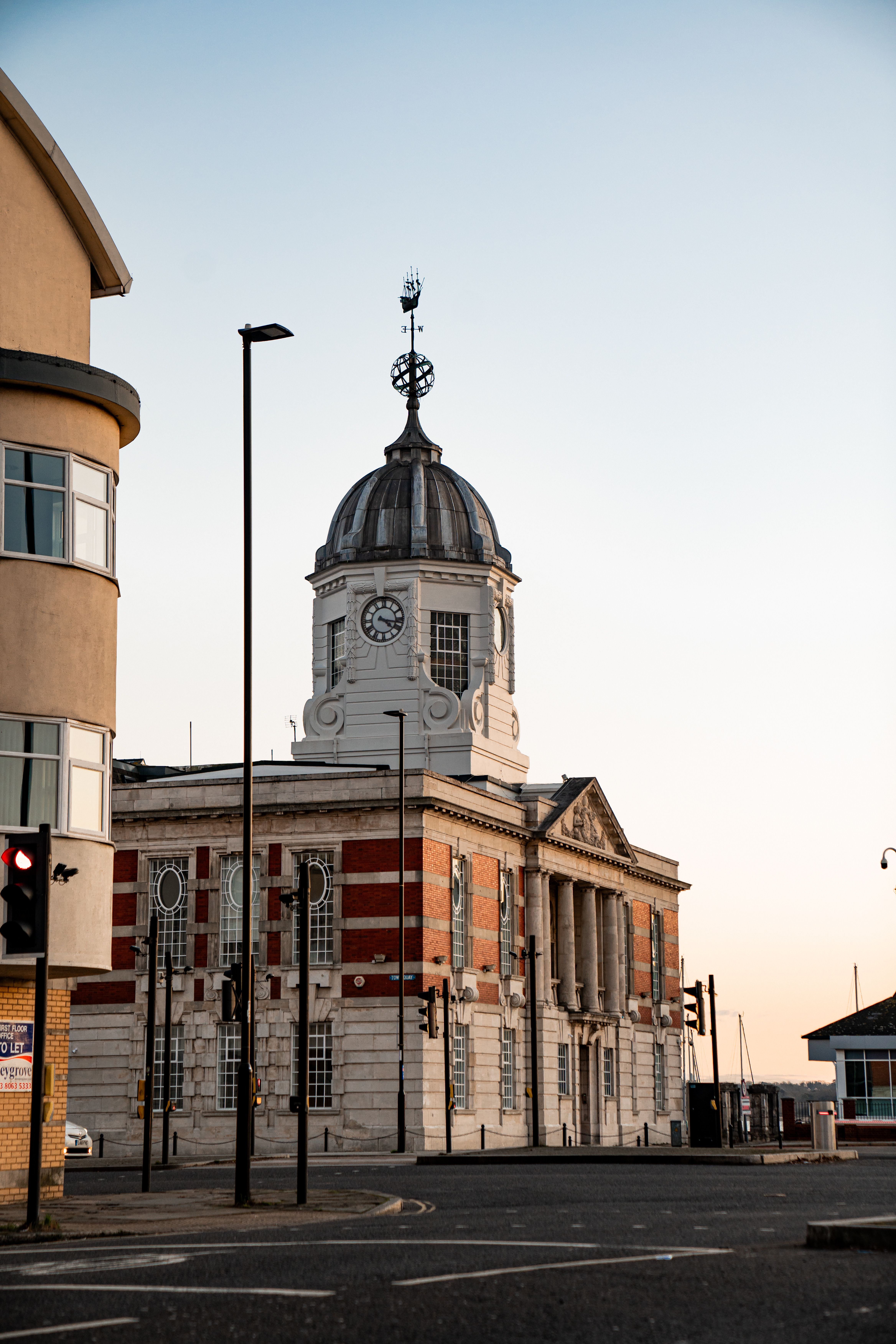
The Old Town of Southampton encompasses the medieval walled area. Narrow streets, historic buildings and medieval layouts survive, creating a sense of how the city functioned historically. The Old Town contains various historic buildings, some dating from medieval times, others from later periods reflecting the city's evolution.
Walking the Old Town offers a sense of Southampton's layered history. Medieval lanes contrast with Georgian architecture, all within the framework of the medieval walls. The Old Town is increasingly developed for tourism with cafes, galleries and shops, but retains genuine historical character.
Museum of domestic Tudor life
The Tudor House is a museum housed in a Tudor-era building in Southampton's Old Town. The museum documents domestic life during the Tudor period (16th century). The building itself is a historical artifact with original features surviving. The museum provides interpretation of how people lived during this period. The enclosed garden offers a quiet retreat and period-appropriate plantings.
Comprehensive maritime heritage documentation
The SeaCity Museum is Southampton's major museum documenting maritime history, the Titanic, the Mayflower, and broader naval and trading history. The museum is well-curated with exhibitions covering various periods and stories. The museum provides essential context for understanding Southampton's historical importance and maritime heritage.
The SeaCity Museum is the primary destination for anyone interested in Southampton's maritime connections. The museum is accessible and engaging for various audiences from casual visitors to history enthusiasts.
Working port and contemporary development
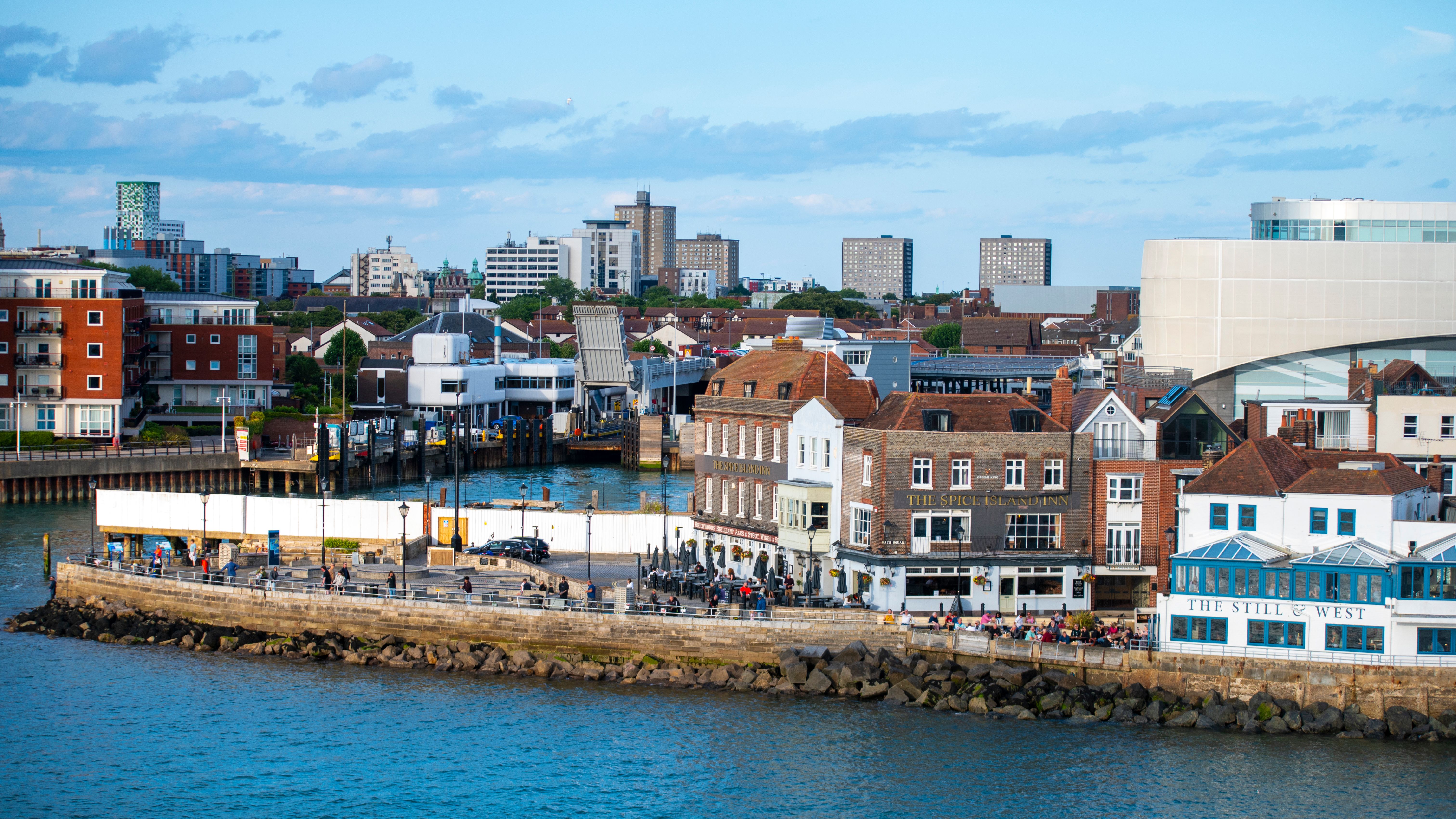
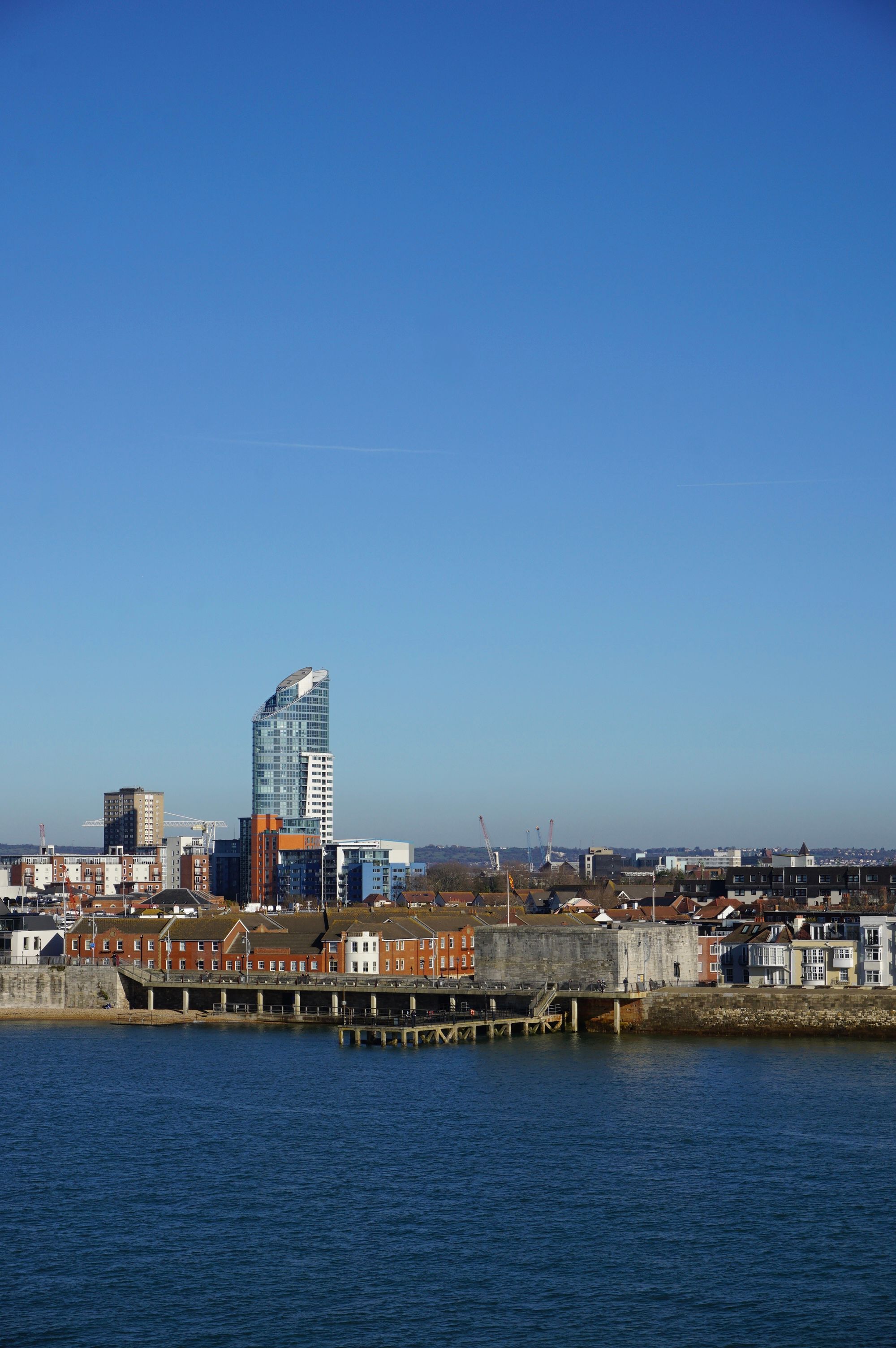
Southampton's waterfront is one of England's major cruise ports. Multiple cruise ships operate from Southampton, making the port visually striking when ships are present. The waterfront has been developed for walking and cultural activities while remaining a working port. The combination of cruise ships, cargo operations and recreational boating creates a dynamic maritime atmosphere.
The waterfront's regeneration has created public spaces, restaurants and cultural venues. The mixture of commercial maritime activity and public access creates a distinctive character. Walking the waterfront offers views of shipping, architectural heritage and contemporary development.
England's most significant area of open forest
The New Forest lies to the west of Southampton and is one of southern England's best-known protected landscapes. The national park contains a mixture of woodland, heathland, grassland and villages. The New Forest is a National Park with various villages, walking trails, riding opportunities and natural scenery.
The New Forest works as an excellent day trip from Southampton. The contrast between the port city and the rural forest creates variation in a trip. The forest offers quieter, nature-focused activities alongside Southampton's maritime character.
New Forest attractions include various villages (Brockenhurst, Lyndhurst), walking trails of various lengths, cycling routes, riding opportunities if interested in horses, and cafes and pubs. The area is popular for outdoor recreation and nature engagement.
Island destination accessible from Southampton
The Isle of Wight is an island off England's south coast accessible via ferries from Southampton (and other ports). Journey time is roughly 20-60 minutes depending on ferry type and destination. The Isle of Wight offers beaches, coastal scenery, Victorian seaside resort character (particularly Shanklin and Sandown) and cycling routes.
For Southampton-based visitors, a day trip to the Isle of Wight is feasible. The ferry journey itself offers coastal views. The island's quieter character and natural beauty contrast with Southampton's port activity. An overnight stay on the Isle of Wight allows more thorough exploration.
England's ancient capital nearby
Winchester lies north of Southampton and is closely associated with England's early royal history. Winchester Cathedral is one of England's most significant medieval buildings. The city has extensive Roman, Saxon and medieval history. Winchester remains a significant cultural and historical destination in its own right.
Winchester works as an excellent day trip from Southampton — the contrast between the maritime port and the inland cathedral city provides variation. Winchester's history complements Southampton's maritime focus. The city is accessible by road and rail; check current services when planning.
Book Southampton experiences
Museums, tours and activities across Southampton and the surrounding region.
Disclosure: If you book through these links we may earn a small commission at no extra cost to you.
Explore Southampton and South England with TourRadar
If you'd prefer to explore Southampton as part of a guided tour, TourRadar has options ranging from focused Southampton tours to multi-day South England explorations that include Southampton alongside other destinations.
Disclosure: Affiliate link — we may earn a small commission if you book.
Virtual driving and travel experience
Drive From Home offers a virtual driving experience through Southampton, allowing you to explore the city, waterfront, maritime locations and surrounding areas from home. This is an excellent way to familiarize yourself with the city before visiting or to experience Southampton virtually if travel isn't possible.
One day in Southampton
Morning: Explore the Old Town and medieval city walls. Walk the Bargate area and narrow medieval streets. Get oriented to the city's historical character.
Midday: Visit the SeaCity Museum to understand Southampton's maritime heritage and Titanic connections. Have lunch at a local cafe or restaurant in the Old Town or waterfront area.
Afternoon: Walk the waterfront and observe cruise ships and port activity. Visit the Tudor House Museum or explore additional galleries depending on interests.
Evening: Have dinner at a waterfront restaurant with views of the port. Evening walk along the waterfront to experience the city's maritime character in different light.
Two or three days in Southampton
With more time, you can explore museums thoroughly, spend leisurely time walking the Old Town and walls, visit various galleries and cultural venues, day trip to the New Forest or Winchester, experience Southampton's contemporary cultural scene (music venues, theatres), explore less-touristy neighbourhoods to understand Southampton as a lived city, and potentially take an Isle of Wight day trip via ferry. Two-three days allows genuine engagement with Southampton's history and contemporary character.
Minimum: A half-day works for visiting the Old Town and SeaCity Museum quickly. It's rushed but captures essential Southampton character and maritime heritage.
Ideal: One full day in Southampton lets you explore the Old Town properly, visit the SeaCity Museum, walk the waterfront, and experience the city without constant rushing. A day feels satisfying and reasonably comprehensive.
Extended: Two nights or more in Southampton lets you explore thoroughly, visit multiple museums and galleries, make day trips to nearby attractions (New Forest, Winchester, Isle of Wight), experience the city's contemporary cultural life, and genuinely know Southampton beyond tourist highlights.
Southampton by season
Spring (March-May): Pleasant weather, flowers blooming, fewer crowds than summer. Good time for comfortable city exploration without peak tourism.
Summer (June-August): Warmest and busiest. Peak holiday season. Weather can still be changeable. Cruise season is active with ships frequently in port. Various festivals and cultural events are scheduled. Peak season pricing applies.
Autumn (September-October): Often considered ideal. Weather still pleasant, crowds thin out after summer. Cruise season continues. Conditions can be pleasant, and visitor levels may ease after the summer peak. Good balance of weather and tourism levels.
Winter (November-February): Cold and potentially wet but very quiet. Cruise season varies depending on destinations. Fewer crowds for exploring museums and Old Town. Some accommodation may be cheaper than at peak times, although rates vary.
Transport options
By train: Southampton has a railway station with connections to London (roughly 1.5-2 hours), other UK cities and surrounding areas. Trains offer direct access to the city centre. Southampton is well-connected to the UK rail network.
By car: Southampton is accessible via major roads (M27 motorway connects to the M3 toward London). Parking is available in the city (car parks and street parking) though can be expensive and tight during peak times. Having a car offers flexibility for exploring New Forest and surrounding areas.
By bus: Long-distance coaches connect Southampton to other UK cities. Slower than trains but available and often cheaper.
By air: Southampton Airport exists with limited commercial service. Most international visitors fly to larger airports (London, Bristol) and travel to Southampton by car/train/bus.
Transport within the city and region
On foot: The Old Town and waterfront are walkable. Most central attractions are accessible on foot or short bus rides. Walking is the best way to experience the city's historical character and medieval layout.
Buses: Local buses connect different areas of Southampton and to nearby attractions. Routes and fares vary, so check current local transport information.
Taxis: Available for point-to-point travel. Useful for reaching accommodations or attractions beyond walking distance.
Car rental: Useful for exploring the New Forest and other nearby mainland destinations. Parking at attractions is generally available though can fill during peak times.
Ferries: Isle of Wight ferries depart from Southampton. Regular service to various destinations on the island.
Find your Southampton accommodation
Hotels, guest houses and apartments across Southampton.
Disclosure: If you book through these links we may earn a small commission at no extra cost to you.
Choosing where to stay
Waterfront/city centre: Accommodation near the waterfront or in the city centre offers easy access to attractions, restaurants and shops. Most convenient for exploring. Can be noisier but very central to everything.
Old Town: Accommodation in the medieval Old Town offers character and proximity to historical attractions. Often smaller, charming options with local flavour.
Outside city centre: Various neighbourhoods offer quieter character and often better value. Slightly less convenient for tourist attractions but authentic to how locals live.
Budget: Accommodation prices vary considerably by property, date and demand, particularly around busy cruise departures and events.
Eating in Southampton
Waterfront dining: Restaurants and cafes along the waterfront offer views of the port and maritime activity. Various cuisine and price points available. The waterfront setting enhances dining experience.
Seafood: Coastal location means seafood is emphasised. Fish and chips, local shellfish and seafood restaurants are available. Quality varies but good options exist.
Traditional pubs: Various pubs serve real ale and pub food. Good for experiencing local atmosphere.
International cuisine: Various restaurants offer cuisine range alongside traditional English.
Old Town cafes: Cafes and light restaurants in the medieval Old Town offer casual dining in historical setting.
Weather and what to expect
Southampton weather is typical South England — changeable, potentially rainy, but rarely extreme. The coastal location means maritime weather patterns influence conditions. Spring and autumn are generally pleasant. Summer can be warm. Winter is cool and wet. Layering and waterproof jackets are sensible year-round.
Money and costs
Southampton uses British Pounds Sterling (£). Costs are moderate. Attractions have admission fees. The SeaCity Museum has an admission charge. Public transport is reasonably priced. Food and dining varies depending on where you choose. Waterfront restaurants are more expensive than casual cafes or pubs. Daily costs vary widely depending on accommodation, attractions, transport and dining choices.
Southampton packing essentials
Southampton involves city walking and potentially waterfront exploration. Comfortable shoes and layering for variable weather are essential.
You'll walk the Old Town's medieval streets and the waterfront. Good supportive shoes are essential for comfortable exploration.
English weather is changeable and potentially rainy. A quality waterproof is essential. Compact, actually-wearable designs work best.
Variable temperatures mean layers are helpful. Thermal layer, sweater and windproof outer shell let you adjust to conditions.
Southampton's waterfront, cruise ships, medieval architecture and historic sites offer photographic interest. Photography opportunities are good.
If interested in Titanic history, bring or reference material about the ship. The SeaCity Museum provides context but prior knowledge enhances appreciation.
Hands-free bag for essentials while exploring. Useful for carrying layers, water and camera.
Common questions
Southampton FAQ
Ready to explore Southampton?
Southampton is England's maritime gateway — a destination where centuries of sea-going history meet contemporary port activity. The medieval Old Town and walls document medieval significance. The SeaCity Museum comprehensively tells Southampton's maritime story. The Titanic and Mayflower connections link Southampton to iconic historical moments. The working waterfront with cruise ships creates a living maritime atmosphere. And the location opens access to the New Forest, Winchester and Isle of Wight. It's a destination for history lovers, maritime enthusiasts and anyone interested in understanding England's relationship with the sea.