Isle of Wight —
dramatic cliffs, Victorian seaside charm and England's perfect island escape
The Isle of Wight is an island escape off England's south coast, known for coastal scenery, beaches, Victorian heritage and landmarks such as the Needles and Osborne House. We visited on a day trip from Portsmouth and saw the Needles, Osborne House and some of the island's beaches and coastline.
We took a day trip to the Isle of Wight from Portsmouth. During that visit we saw the Needles, Osborne House and some of the island's beaches and coastal scenery. Those are the confirmed personal experiences behind this guide; the other places mentioned below are general recommendations for planning a wider visit.



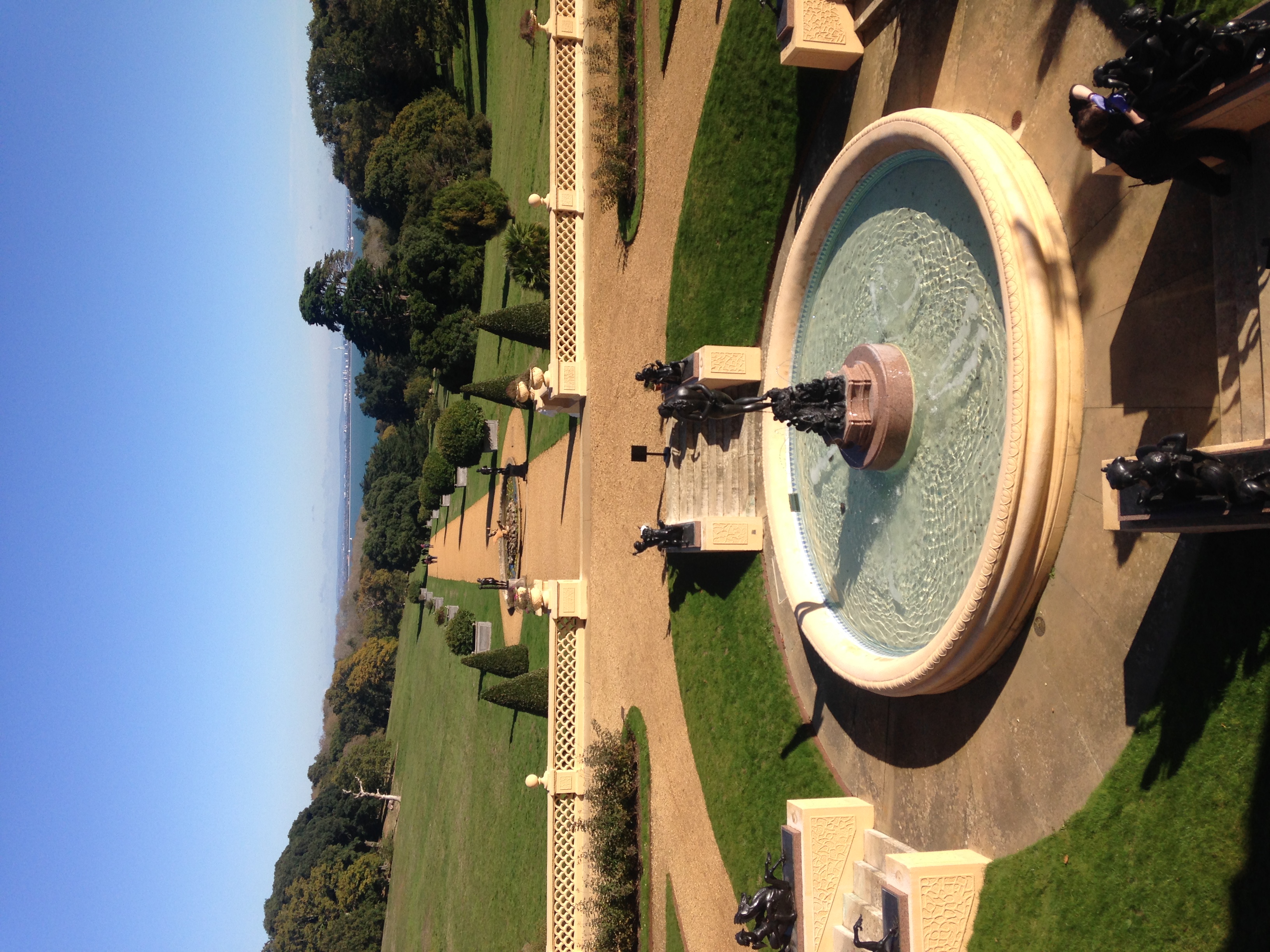
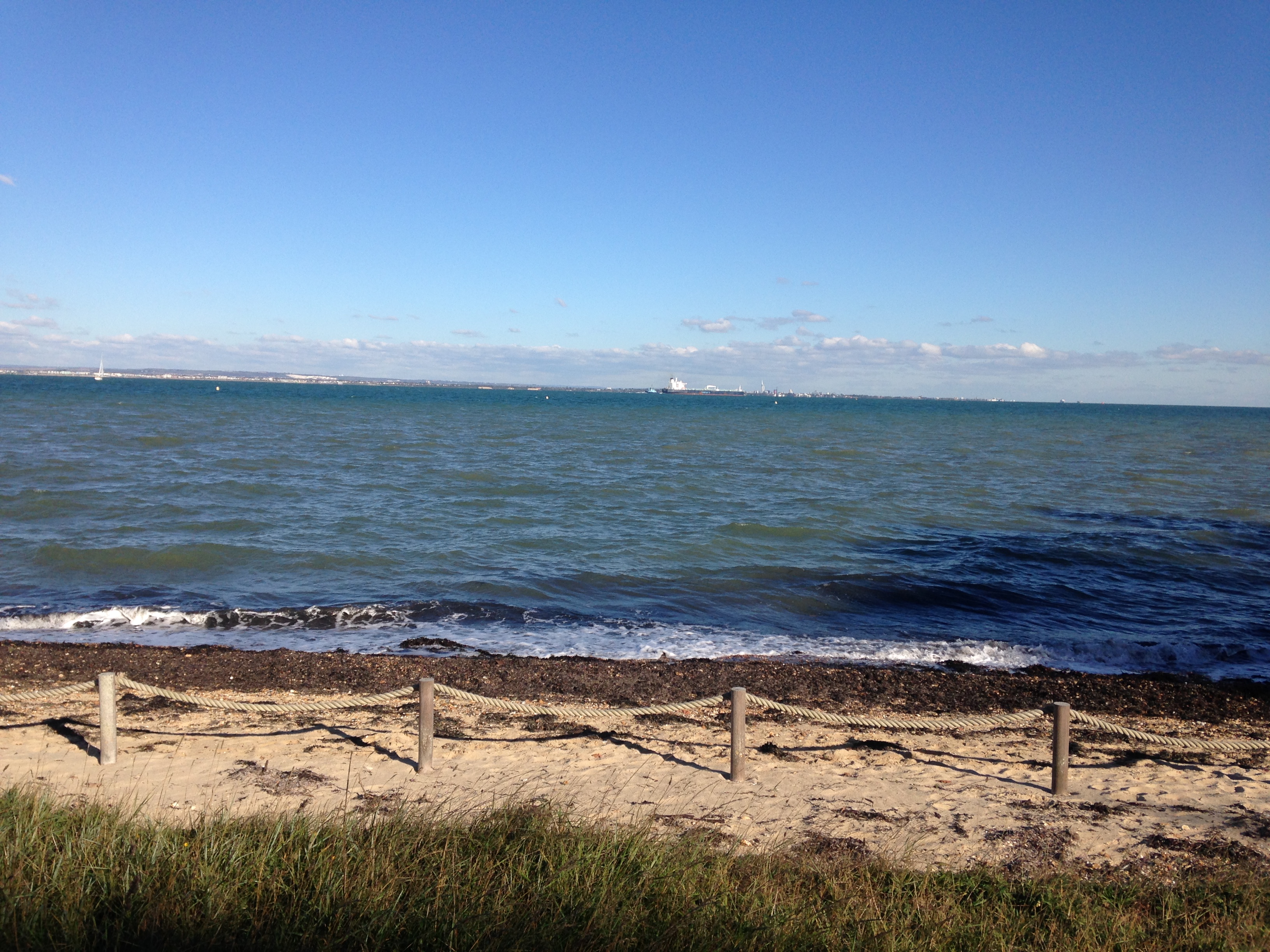

A day trip can give you a useful introduction to the island, but staying longer gives you more time for its towns, beaches, coastal walks and historic attractions without rushing between stops.
Dramatic chalk cliffs and stacks
The Needles are the Isle of Wight's most famous landmark — distinctive chalk rock formations rising from the sea at the western tip of the island. They're genuinely dramatic and visually impressive. The three prominent rock stacks are instantly recognisable and among England's most iconic coastal features.
The Needles sit at the end of Alum Bay, which offers sweeping views of the rock formations and the coastline. The chalk cliffs surrounding the area are impressive in their own right — towering white walls rising from the water.
Visiting the Needles
Views and access: The Needles are accessible from Alum Bay via a chairlift or cliff-side paths that descend to the bay. The views from above are excellent and worth the visit even if you don't take the chairlift down to the beach level.
Alum Bay boat trips: Boat trips operate from Alum Bay offering different perspectives of the Needles. Seeing the formations from water level is genuinely striking and worth considering if time and weather permit.
Coloured sand: Alum Bay is famous for its naturally coloured sand — layers of iron oxide and other minerals create multicoloured bands visible in the cliffs and the sand itself. Historic tradition includes collecting sand samples in glass bottles as souvenirs.
Needles Old Battery: A historic Victorian military fortification sits near the Needles offering exhibitions and views. It's a genuine piece of 19th century military heritage with personality.
Royal residence and national treasure
Osborne House is the former private residence of Queen Victoria and Prince Albert. Built in the 1840s, it represents a unique insight into Royal life — not formal state residence but genuine private holiday home. The house sits on the Solent coast and offers views across the water to the mainland.
The house is meticulously preserved and open to the public. It provides a fascinating window into Victorian Royal life, domestic arrangements and the relationship between Victoria and Albert. The settings feel genuinely lived-in and personal in a way that grander formal royal residences sometimes don't.
Exploring Osborne House
The main residence: Ornate Victorian interiors, private apartments, formal rooms and the atmosphere of a Royal household are preserved. Guided tours and audio guides provide context and interpretation.
Grounds and gardens: The estate includes formal gardens, parkland and coastal views. Walking the grounds is pleasant and offers perspective on how the Royal family lived.
Swiss Cottage: A playhouse built for Victoria's children. It's a genuine and charming example of Victorian family life and offers perspective on childhood even for Royal children.
Pavilion building: A retreat building for the Royal household with bathing facilities and private spaces.
Sandy beaches and seaside towns
The Isle of Wight has numerous beaches offering different characters. Sandown and Shanklin are classic Victorian seaside towns with sandy beaches, promenades and that genuine English seaside atmosphere. Ryde is the principal town with a pier and more extensive resort facilities.
The beaches themselves are generally sandy and family-friendly. They range from busy town beaches to quieter, more rural stretches. Many have traditional seaside attractions — arcades, ice cream stalls, beach huts — that contribute to the nostalgic seaside charm.
Coastal walks and cliff paths
The Isle of Wight has excellent coastal walking paths. The southwest coast offers dramatic cliff scenery. The eastern beaches are gentler. Walking the coastline is one of the best ways to experience the island's natural character.
Shanklin Chine: A scenic gorge running down to the beach. Managed woodland paths descend through dense vegetation to a waterfall and beach. Very pleasant walk and genuinely feels like nature despite being close to town.
Chalk cliffs: The dramatic white cliffs in multiple locations are visually striking and offer excellent walking and photography opportunities.
Ferry from Portsmouth
From Portsmouth: Ferry services connect Portsmouth and the Isle of Wight. Routes and crossing times vary, so check current timetables when planning your trip.
We travelled from Portsmouth for our day trip. Check current ferry operators, routes and timetables for the option that best suits your plans.
Alternative access routes
Lymington to Yarmouth: Another mainland route connects Lymington with Yarmouth on the island. Check current schedules and crossing details.
Southsea to Ryde: A hovercraft service also links the Portsmouth area with Ryde. Check current operating times and weather-related updates.
By car ferry: Vehicle ferry options are available if you want to bring your own car to the island. Compare current routes, fares and booking requirements before travelling.
Navigating the island
By bus: The island has bus services linking many towns and attractions. Check current routes and timetables, especially if you're planning a day trip without a car.
By car: A car gives you flexibility for reaching different parts of the island. Some roads can be narrow, so allow plenty of time and check parking arrangements at individual attractions.
Heritage railway: The Isle of Wight Steam Railway is another option for rail enthusiasts. Check its current operating days, routes and timetable before visiting.
Walking and cycling: The island is compact and pleasant for walking. Bike hire is available and the island is cycle-friendly with decent paths in many areas.
Day trip: A day trip from Portsmouth can give you a good introduction to the island, particularly if you choose a small number of priorities. That is how we visited.
One or two nights: Staying over gives you more time for the Needles, Osborne House, beaches, coastal scenery and some of the island’s towns without trying to fit everything into one day.
Longer stay: A longer visit gives you more freedom to explore different parts of the island, add coastal walks and spend more time at the beach.
Isle of Wight by season
Spring (March-May): Pleasant weather, flowers, fewer crowds than summer. Good time to visit with comfortable temperatures and beaches less packed.
Summer (June-August): Warmest and busiest. The island and beaches are packed, especially during school holidays. Weather is reliable. Prices are highest and accommodation books up early.
Autumn (September-October): Often considered the best time. Weather still decent, crowds thin out after summer holidays, the light is beautiful for photography. Prices drop.
Winter (November-February): Cold and often wet but very quiet. Many attractions have reduced hours. If you want solitude and coastal walks without crowds, winter works. Off-season prices are lowest.
Drive the Isle of Wight from home
Explore the island virtually with Drive From Home before your trip and get a feel for its roads and scenery from wherever you are.
Book Isle of Wight experiences
Boat trips, house tours, beach activities and attractions across the Isle of Wight.
Disclosure: If you book through these links we may earn a small commission at no extra cost to you.
Explore Isle of Wight with TourRadar
If you'd prefer to explore the Isle of Wight as part of a guided tour, TourRadar has options ranging from day trips to longer tours that include the island alongside other south coast destinations.
Disclosure: Affiliate link — we may earn a small commission if you book.
Find your Isle of Wight accommodation
Hotels, guesthouses and apartments across the island — Newport, Ryde, Shanklin, Sandown and coastal areas.
Disclosure: If you book through these links we may earn a small commission at no extra cost to you.
Choosing where to stay
Seaside towns: Ryde, Shanklin, Sandown offer authentic seaside town atmosphere with beaches, promenades and traditional seaside facilities. Good for experiencing the island's resort character.
Newport: The island's principal town. More urban and central than seaside resorts but good as a base for exploring the entire island.
Smaller villages: Various small villages offer quieter options with more countryside character if you prefer to escape the busier seaside towns.
Budget: The Isle of Wight offers accommodation at various price points. Summer and school holidays book up quickly and prices rise. Off-season (autumn-spring) offers better value.
Eating on the island
Fish and chips: Seaside tradition. Most beach towns have fish and chip shops, many with long histories and loyal followings.
Restaurants: The island has restaurants ranging from casual to fine dining. Seafood is common given the island's maritime location.
Cafes and tea rooms: Traditional seaside cafes and tea rooms are common, serving cream tea and light meals with seaside views.
Pubs: Traditional pubs serve real ale and pub food throughout the island. Many have character and history.
Budget: Food is reasonably priced compared to major cities. Seaside tourist attractions can be more expensive than town restaurants.
Weather and what to expect
Isle of Wight weather is mild but changeable. Spring and autumn are most pleasant with comfortable temperatures. Summer can be warm but is also the busiest season. Winter is cold and wet. The coastal exposure means it can be windy, especially in autumn and winter. Layering is always a good idea.
Money and costs
The Isle of Wight is reasonably priced by UK standards. Attractions charge admission (Osborne House, Needles attractions). Ferry costs are moderate. Accommodation varies depending on location and season — seaside resorts tend to be pricier than inland villages.
Costs vary considerably depending on ferry choice, transport, accommodation and paid attractions, so check current prices when planning.
Isle of Wight packing essentials
The Isle of Wight involves beach and coastal exploration. Comfortable shoes, sun protection and waterproof jacket are essential.
Beach walks and coastal paths require good supportive footwear. Trainers or hiking boots work well.
English coastal weather is changeable. A compact waterproof is essential for unexpected rain.
Sunscreen, hat and sunglasses for protection on beaches. UV reflection from sand and sea is strong.
A sweater or cardigan for cooler conditions. Coastal wind can make even warm days feel chilly.
If you plan to swim or paddle. Water temperature is cool even in summer but manageable.
The Needles, coastal scenery and seaside charm are genuinely photogenic. Bring a camera.
Common questions
Isle of Wight FAQ
Ready to explore the Isle of Wight?
The Isle of Wight delivers dramatic coastal scenery, Victorian seaside charm and island atmosphere. From the iconic Needles to quiet beaches, from Osborne House to gentle coastal walks — the island rewards exploration and offers something for every interest.