Bristol —
the Clifton Suspension Bridge, historic harbour and England's most creative city
Bristol is one of England's most character-filled cities — a place where maritime history, Victorian engineering, street art and creativity converge. The iconic Clifton Suspension Bridge, historic harbour and distinctive cultural scene give the city plenty to explore. We've visited Bristol, and this guide combines that connection with practical ideas for discovering the city.
We've visited Bristol, a city known for its maritime heritage, engineering, street art and independent cultural scene. Rather than pretending we personally did every attraction below, we've separated our visit from the wider recommendations in this guide so you can use it to plan your own Bristol trip.
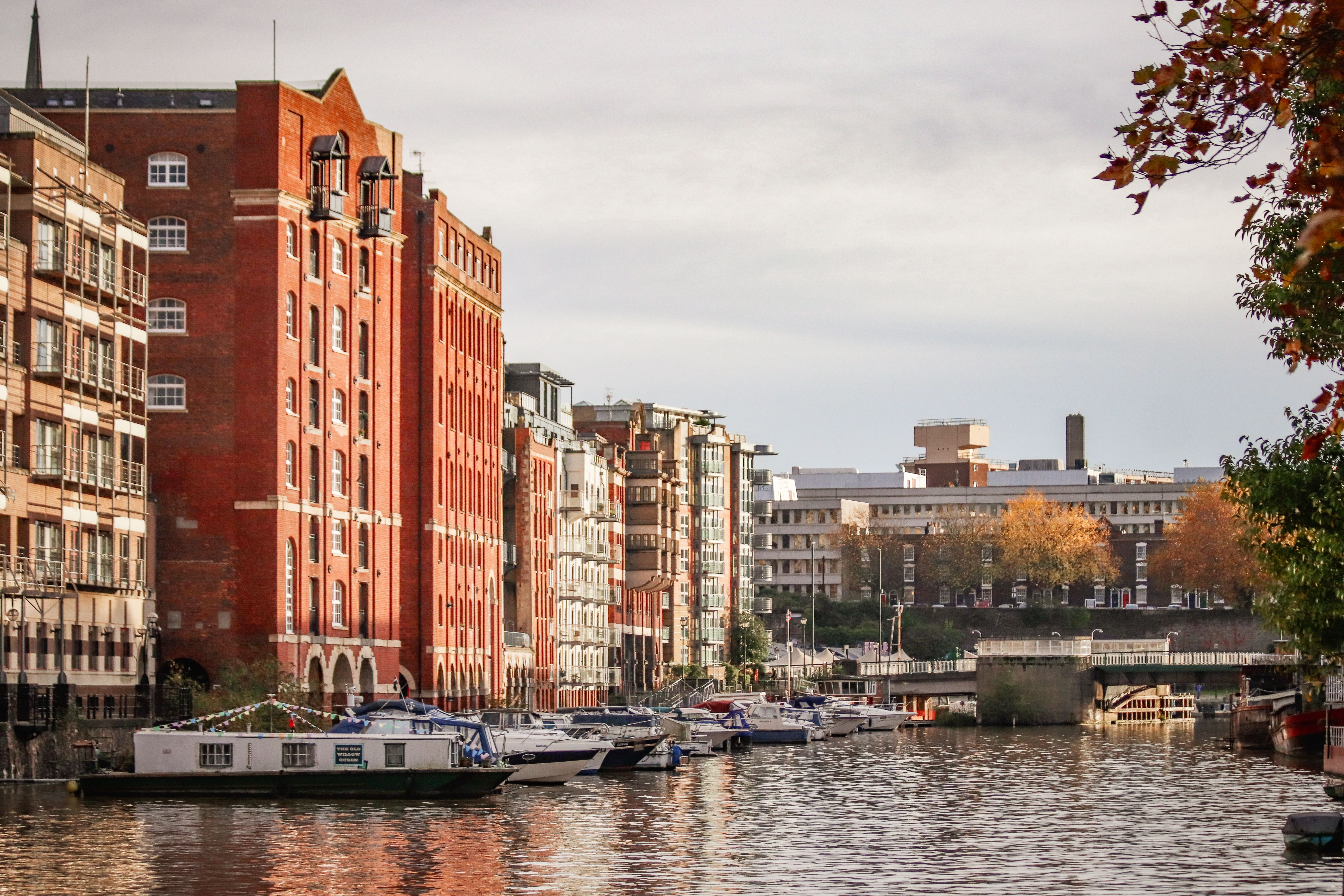
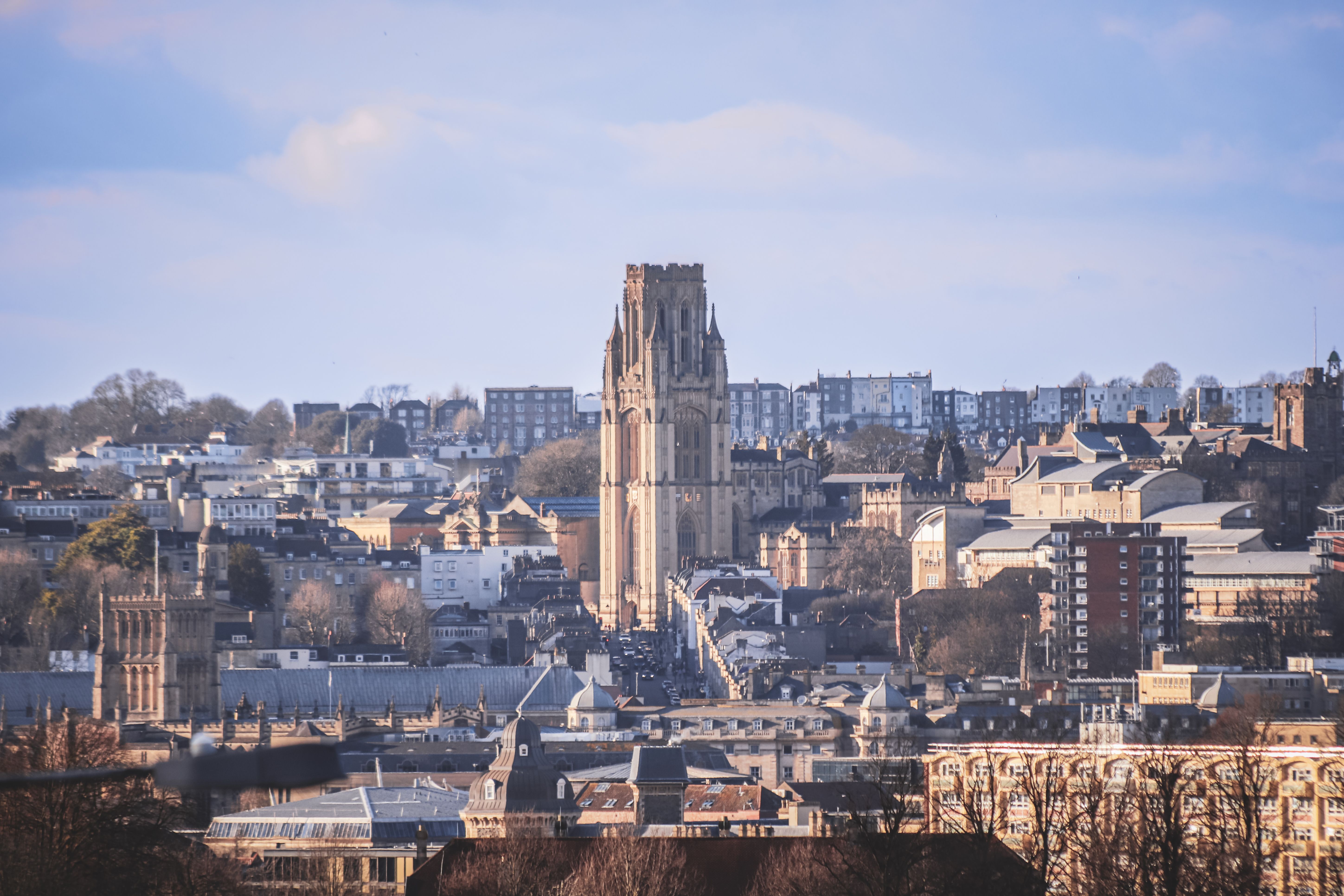
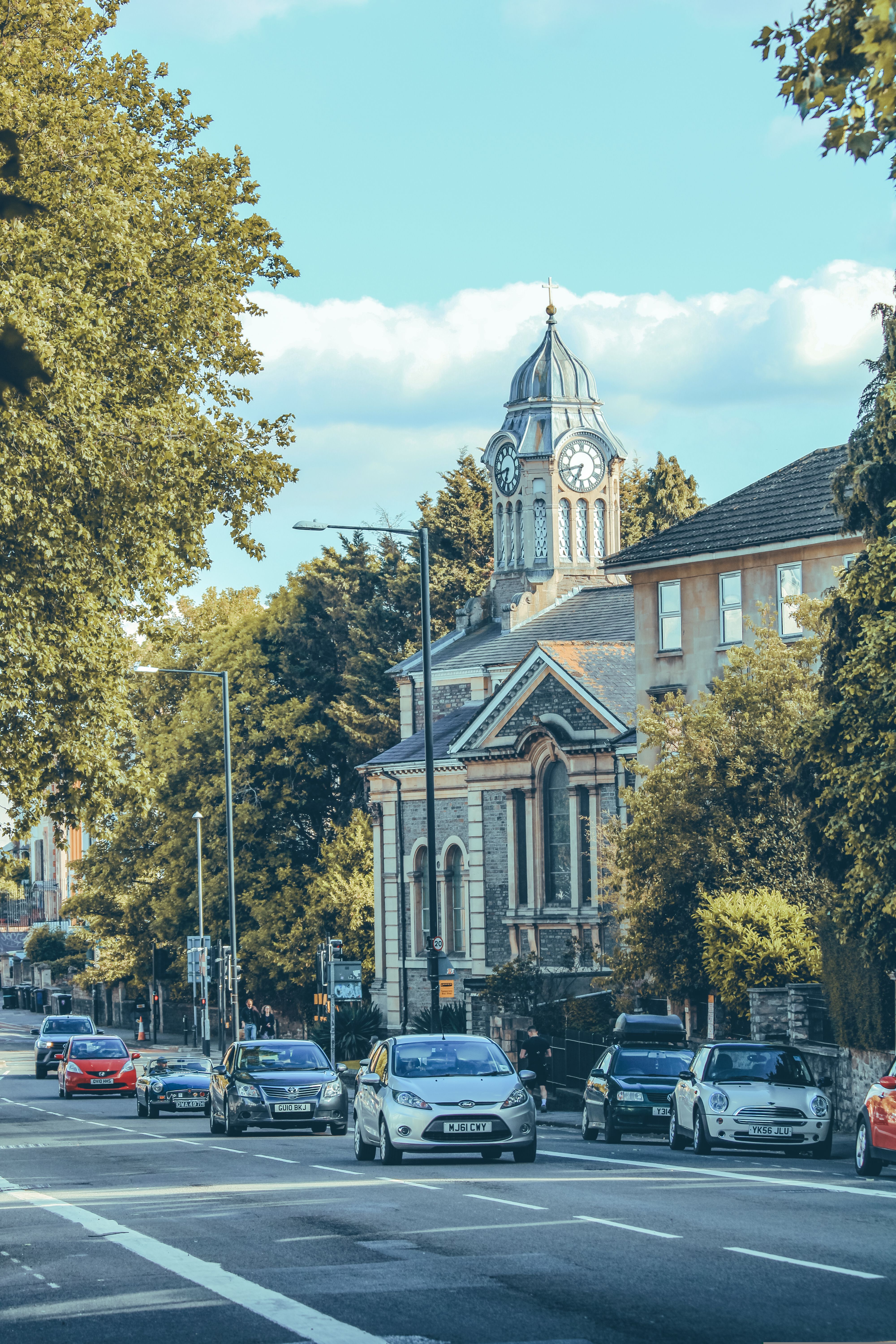
The city has layers — centuries-old streets sit alongside contemporary galleries, historic docks have been transformed into cultural spaces, and the street art community has made Bristol visually distinctive. Whether you're interested in history, culture, food or just exploring a genuine English city with real character, Bristol delivers.
The heart of Bristol
Bristol Harbour lies at the heart of the city and is one of its most significant attractions. This isn't a seaside harbour but a historic floating dock surrounded by Victorian architecture, museums and bars. The water is tidal and has that genuine maritime feel — boats moored in the city centre, water reflecting the buildings above.
Walking around Bristol Harbour is one of the best ways to get to know the city. The area is lively during the day with cafes, museums and galleries. In summer, there are outdoor events and performances. The architecture is genuinely impressive — a mix of Georgian and Victorian, with newer development integrated thoughtfully.
What to see and do at the Harbour
SS Great Britain: Brunel's historic iron ship, now a museum. The ship sits in the dock and is one of Bristol's most significant historical sites. You can explore the vessel and exhibitions about its history.
M Shed Museum: A free museum telling the story of Bristol through the lens of its people, trade and culture. Located right on the harbourside.
Harbourside cafes and restaurants: The area is ringed with cafes, bars and restaurants. It's an excellent place to find food and drink with water views.
Street art: Even the harbourside has excellent street art and murals. Bristol's art community has transformed the city into a visual gallery.
Water walks: You can walk all the way around the harbour, offering different views and perspectives. Pleasant and accessible.
Isambard Brunel's masterpiece
The Clifton Suspension Bridge is one of the most iconic pieces of Victorian engineering in the world. Designed by Isambard Kingdom Brunel and completed in 1864, it spans the Avon Gorge with grace and engineering brilliance. The bridge is instantly recognisable and has become the symbol of Bristol itself.
Walking across the bridge is genuinely thrilling — you're suspended over the gorge with views down the Avon Gorge and out over Bristol. The engineering is visible and impressive. On clear days the views are spectacular.
Clifton neighbourhood
Clifton is an elegant neighbourhood perched on the hills above Bristol city centre. It's a place of Georgian and Victorian architecture, tree-lined streets and a quieter, more genteel atmosphere than the bustling city centre. Clifton is pleasant for walking and exploring, with independent shops, cafes and restaurants.
Clifton Triangle: The heart of the neighbourhood with shops and cafes around the triangular convergence of streets.
Avon Gorge: The gorge itself is scenic and accessible. There are walking paths along the rim with views down to the river and the suspension bridge.
Open spaces: Clifton Green and Brandon Hill Park offer open space, views over Bristol and pleasant places to rest and breathe.
A city built on trade
Bristol's history is inextricably linked to the sea and maritime trade. For centuries it was one of England's most important ports. Ships sailed from here to the Caribbean, America and beyond. This history is visible everywhere — in the architecture, the museums, the names of streets and the Harbour itself.
Some of this history is uncomfortable — Bristol was deeply involved in the slave trade. Increasingly, the city acknowledges this history honestly. Museums and exhibitions confront this past directly rather than sanitising it.
M Shed Museum covers this history comprehensively and honestly. It's an important perspective on Bristol's past.
Brunel and engineering innovation
Isambard Kingdom Brunel was one of history's greatest engineers and his influence permeates Bristol. The Clifton Suspension Bridge is his most visible legacy, but his work extends far beyond — the SS Great Britain, railways, viaducts and more. Brunel symbolises Bristol's innovative spirit and ambition.
Visiting the SS Great Britain and the Suspension Bridge gives you a sense of Brunel's genius and ambition. These aren't just historical artefacts — they're achievements that remain impressive even to modern eyes.
An open-air art gallery
Bristol has become famous for its street art and murals. The city is genuinely a visual gallery — walls, bridges, buildings are covered with artistic work ranging from large commissioned pieces to smaller artistic interventions. The quality is genuinely impressive and reflects a city that values creativity.
Bristol's most famous street artist is Banksy, who is from the city. His style and approach has influenced the city's entire art scene. But Bristol's street art extends far beyond Banksy — it's a thriving community of artists constantly creating and transforming the city visually.
Walking tours: If you're interested in the street art, guided street art tours are available and genuinely worthwhile. They give context and insight into the pieces and the artists behind them.
Contemporary art and culture
Arnolfini Gallery: A world-class contemporary art gallery on the Harbourside. Free admission and regularly changing exhibitions.
Spike Island: A contemporary arts space on the Harbourside with studios, galleries and performance spaces.
Street art museums: Some museums and galleries focus specifically on Bristol's street art history and contemporary practice.
Bristol's art scene is genuinely vibrant and accessible. The city celebrates creativity and it's visible in galleries, on walls, in independent shops and throughout neighbourhoods.
Different sides of Bristol
City Centre and Harbourside: The main tourist area. Museums, restaurants, galleries, shopping. Very walkable and the energy is high.
Clifton: Elegant neighbourhood above the city. Victorian architecture, independent shops, restaurants and cafes. Quieter and more residential than city centre.
Stokes Croft: Alternative neighbourhood known for street art, independent shops and bohemian culture. Edgy and creative.
Redland: University area with independent shops, cafes and a young vibe. Good food and nightlife scene.
South Bristol: Neighbourhood areas like Bedminster offer a less touristy view of Bristol — residential, local, with good independent venues.
Transport within the city
On foot: Bristol city centre is compact and walkable. You can explore the main attractions on foot. The harbour is central and walkable to most places.
Buses: Bristol has an excellent bus network covering the whole city. Buses are frequent and reasonably priced. An all-day ticket offers good value.
Ferry: Bristol Harbour Cruise offers passenger ferry services — a scenic way to see the city and travel along the water.
Cycling: Bristol is a bike-friendly city. Bike hire is available and cycling is a pleasant way to explore. The city has good cycling infrastructure.
Don't rent a car: Bristol traffic is congested and parking difficult. Public transport and walking work better.
Drive Bristol from home
Get a feel for Bristol before you go with Drive From Home — explore the city virtually and take a drive through its streets from wherever you are.
Transport to Bristol
By train: Bristol Temple Meads is the city's main railway station, with connections from London, Birmingham, Cardiff and other UK cities. Check current schedules and journey times for your travel date.
By plane: Bristol Airport is about 12km south of the city with regular flights from most of Europe including direct flights from Ireland. Buses and trains connect the airport to the city centre.
By car: Bristol is easily accessed by car from most of England. The M5 motorway connects Bristol to Birmingham and the north. Parking in the city centre is tight and expensive — use public car parks or park outside and use the bus.
Minimum: A day trip from London or another city gives you time to see the Suspension Bridge, walk the Harbour and explore the city centre. It's rushed but feasible — the highlights are accessible in a day.
Ideal: Two days in Bristol lets you explore properly. Visit the Suspension Bridge and Clifton, spend time at the Harbour, explore street art and neighbourhoods, eat well and absorb the city's atmosphere. You get a real sense of what makes Bristol special.
Extended: Three days or more lets you day trip to Bath or other nearby attractions, explore neighbourhoods beyond the main tourist areas, and really get to know the city. Bristol rewards time and curiosity.
Bristol by season
Spring (March-May): Pleasant weather, flowers in parks, and less busy than summer. Good time to visit with comfortable temperatures and longer days.
Summer (June-August): Warmest weather and busiest period. The Harbour is lively with events and performances. Outdoor cafes and bars are full. Good for energy and atmosphere but crowded.
Autumn (September-October): Often considered the best time. Weather is still pleasant, it's less busy than summer, the light is beautiful and there's back-to-work energy to the city.
Winter (November-February): Cold and often grey, but Christmas markets and festive atmosphere in the city centre. Off-season accommodation is less expensive. Quieter but less vibrant than warmer months.
Book Bristol experiences
Museum passes, street art tours, harbour cruises, galleries and activities in Bristol.
Disclosure: If you book through these links we may earn a small commission at no extra cost to you.
Explore Bristol with TourRadar
If you'd prefer to explore Bristol as part of a guided tour, TourRadar has options ranging from day trips focused on Bristol to longer tours that include Bristol plus nearby attractions like Bath or the Cotswolds.
Disclosure: Affiliate link — we may earn a small commission if you book.
Find your Bristol accommodation
Hotels, apartments and guesthouses across Bristol city centre, Harbourside and neighbourhoods.
Disclosure: If you book through these links we may earn a small commission at no extra cost to you.
Choosing where to stay
Harbourside: Most central and touristy. Walking distance to museums, restaurants, galleries and the main attractions. Lively atmosphere and convenient but can be expensive and busy.
City Centre: Good central location for exploring. Shopping district and business area. Close to transport hubs and main attractions.
Clifton: More upmarket and quieter. Georgian and Victorian hotels and B&Bs. Elegant neighbourhood feel but less central and requires transport to reach main attractions.
Beyond: Staying outside the centre in other neighbourhoods can offer better value and more local experience, though you'll rely more on buses.
Bristol's food scene
Bristol has an excellent and vibrant food scene. There are Michelin-starred restaurants, street food markets, independent cafes, and everything in between. The city celebrates good food and creativity in the kitchen.
Street food markets: Bristol's food markets are legendary. St Nicholas Market has food stalls and is excellent for lunch. The quality and range is genuinely impressive.
Independent restaurants: The city has a strong independent restaurant scene. Small, creative, inventive places reflecting Bristol's cultural character.
Vegetarian and vegan: Bristol is famous as a vegetarian and vegan city. If you're plant-based, Bristol is genuinely excellent with more options than most UK cities.
Pubs: Traditional English pubs are everywhere. They serve real ale and pub food in historic settings.
Weather and what to expect
Bristol weather is typical English West Country — changeable, often grey and rainy, but rarely extreme. Spring and autumn are most pleasant. Winter is cold and can be rainy. Summer can be warm but is busiest.
The city gets busy, especially during summer and weekends. Popular attractions and restaurants can have queues. Visiting weekdays or off-season gives a more relaxed experience.
Money and costs
Bristol is reasonably priced by UK standards. Many museums are free or very cheap. Food ranges from cheap street food to expensive fine dining. Pubs offer good value for food and drink. Accommodation varies widely depending on location and season.
Your costs will depend heavily on accommodation, dining and which paid attractions you choose. Check current admission and transport prices when planning your trip.
Bristol packing essentials
Bristol involves walking around an urban city and potentially crossing the Suspension Bridge. Comfortable shoes and layers for variable weather are essential.
Bristol's pavements and streets require supportive, comfortable shoes for all-day walking and exploring.
English weather is changeable. A compact waterproof helps for the frequent drizzle and unexpected rain.
A cardigan or sweater for variable English temperatures and cooler evenings.
Bristol's street art and harbour views are genuinely photogenic. Bring a camera to capture the art and architecture.
Secure day bag for carrying water, camera, purchases and essentials while exploring the city.
Secure bag for carrying valuables while walking through busy areas. Keep hands free for photos.
Common questions
Bristol FAQ
Ready to explore Bristol?
Bristol is a city that celebrates creativity, culture and history. From the iconic Clifton Suspension Bridge to wandering the street art, exploring the Harbour and discovering independent cafes and restaurants — Bristol rewards curiosity and time.