Tunis & the Tunisian Coast —
beaches, souks and Tunisian warmth
The coastal part of our 2009 Tunisia trip combined Mediterranean beach days and swimming with time exploring Tunis and its lively streets and souks. It was our introduction to the colour, atmosphere and warmth of Tunisia before our journey continued south towards El Jem, Douz and the Sahara.
⚠️ Our trip was in 2009 and things have changed. Read the current safety advice before you plan yours.
Mediterranean days, Tunis and the souks
Our first taste of Tunisia
Our 2009 holiday began with the relaxed side of Tunisia: sunshine, swimming and time by the Mediterranean. It was the perfect start to a trip that would eventually take us far beyond the coast and into the landscapes of Southern Tunisia.
We also spent time in Tunis, exploring the city and its souks. The bustle, colours and atmosphere were a complete contrast to the slower pace of the coast and gave us a glimpse of another side of Tunisia.
One of the things that stood out throughout the trip was the warmth of the Tunisian people, along with the excellent value that made Tunisia such an appealing Mediterranean destination.
That combination of coast and city made a brilliant introduction to the country — before our adventure changed completely as we headed south towards El Jem, Douz and the Sahara.
What we remember from the coast
Beach time and swimming were a big part of the coastal side of our 2009 holiday.
Exploring the souks of Tunis brought colour, bustle and atmosphere to the city side of our trip.
The warmth of the people we encountered is one of the impressions that has stayed with us from the trip.
One of our strongest memories is just how good the value felt compared with many Mediterranean holidays.
Our Tunis photos from 2009
These are our own photographs from our time in Tunis — snapshots of the city, its architecture and the atmosphere we encountered during our 2009 trip.
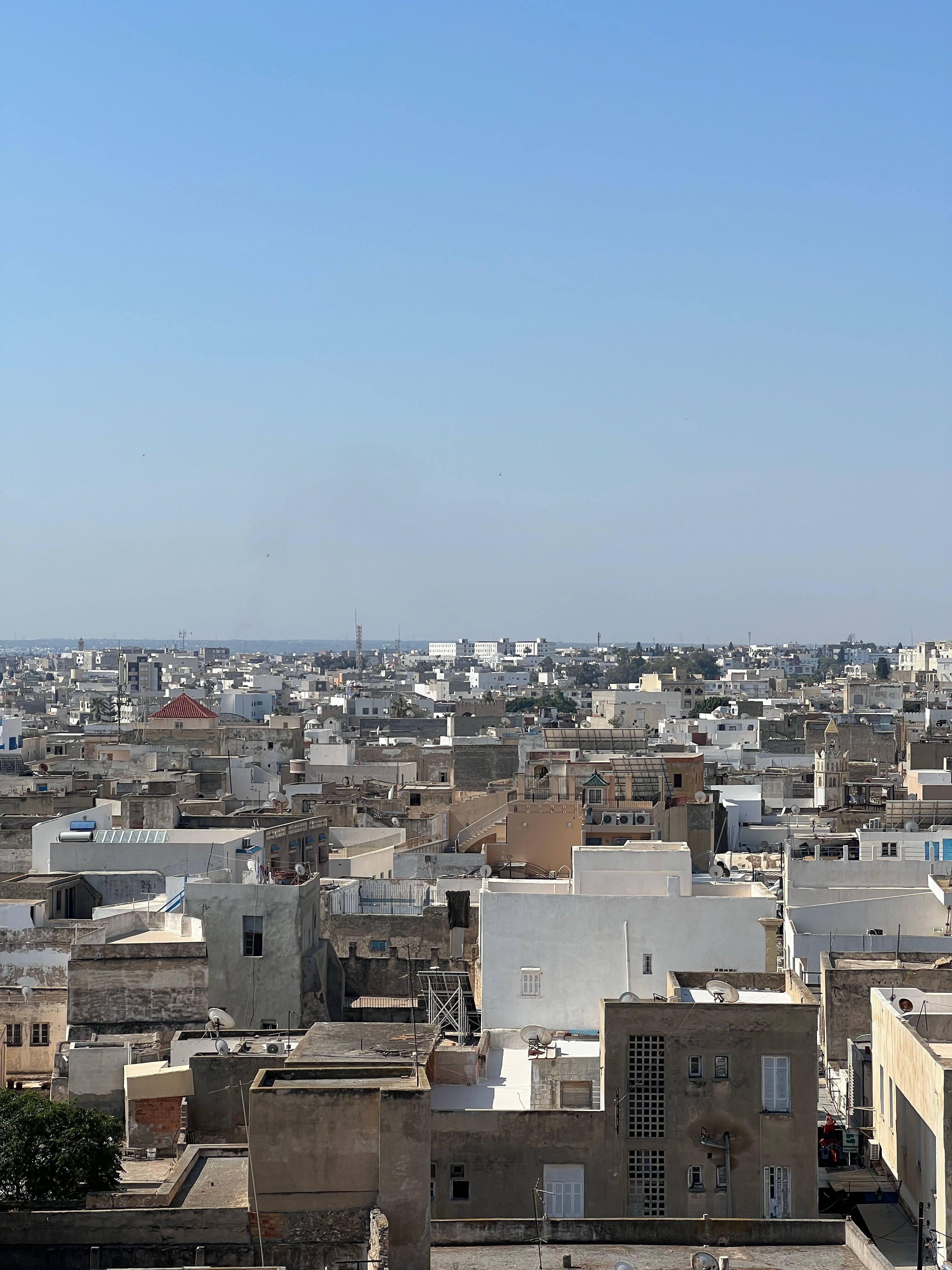
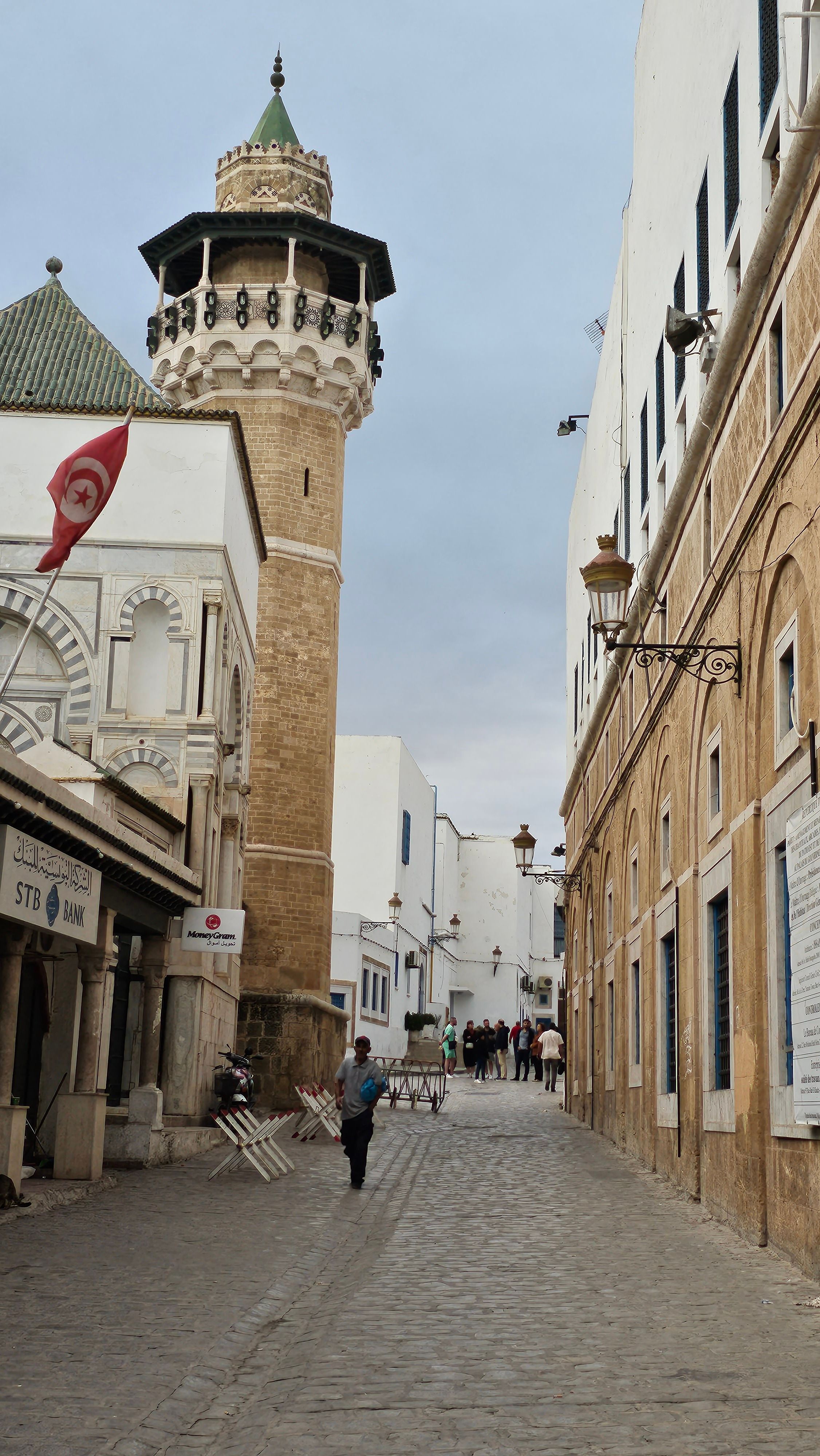
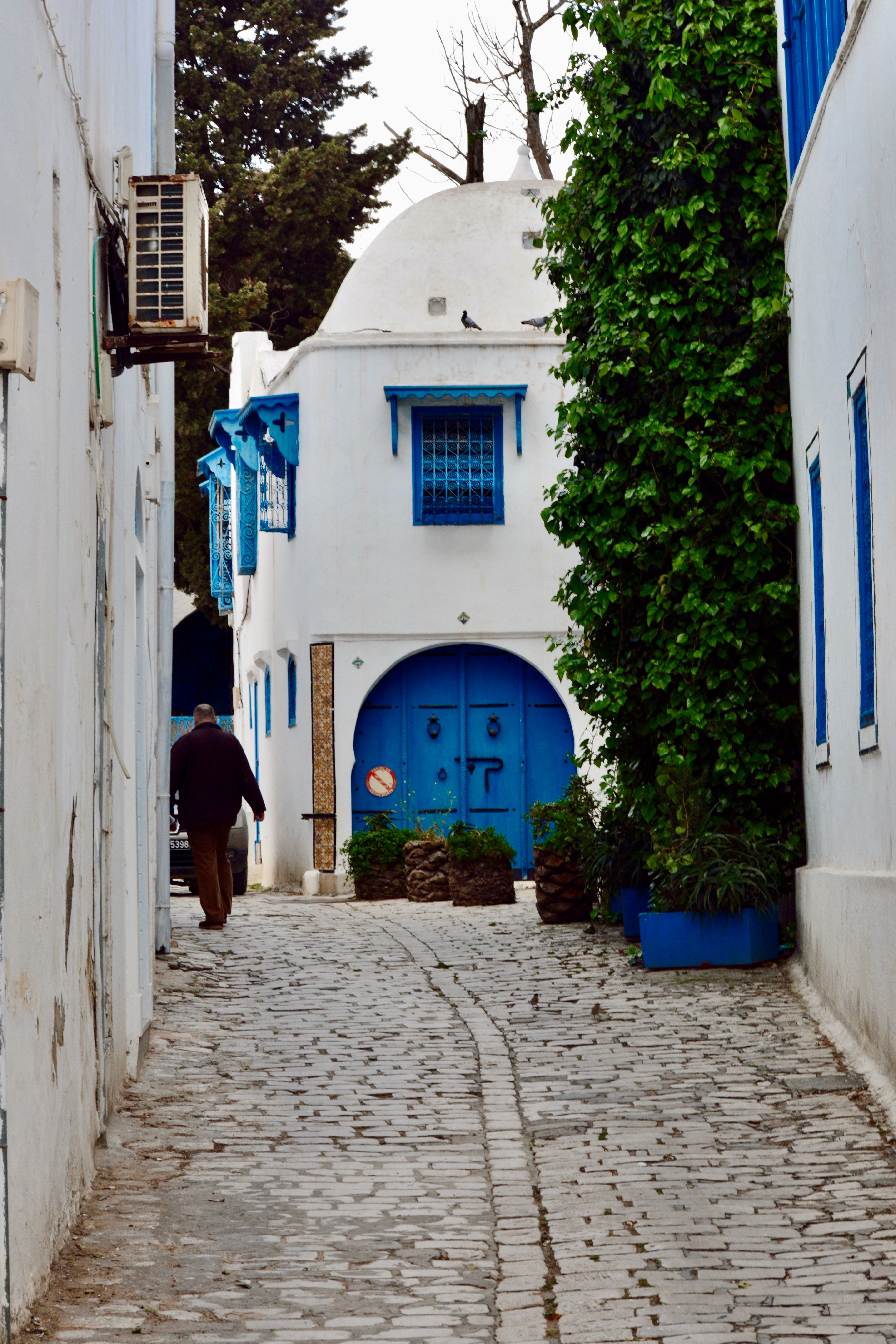
Our own photographs from Tunis, 2009.
Our trip was in 2009, and things have changed. The advice below comes from the Irish Department of Foreign Affairs travel advice for Tunisia (checked September 2026). Read the latest version before you book, because it can change quickly.
🛡️ The current rating
- The Irish DFA rates Tunisia High Degree of Caution (level 2 of 4).
- A state of emergency has been in place since 2015, and the risk of terrorism remains high. Take particular care in crowded areas, transport hubs and places popular with foreign visitors.
📣 Demonstrations
- Demonstrations happen in the centre of Tunis and other large cities, and they can lead to unrest. Avoid them.
- It can be wise to stay out of the city centre on Friday afternoons, when most take place.
👜 Souks and petty crime
- Pickpockets work crowded marketplaces, and bag-snatching happens in tourist areas.
- Don’t carry your cards, travel tickets and cash together. Carry a copy of your passport and leave the original somewhere safe unless you need it.
- Avoid ATMs after dark, dark or unlit streets, and arrange pick-ups as close to your hotel entrance as you can.
🕌 Dress, culture and local laws
- Tunisia is a Muslim country. Coastal resorts are relaxed, but dress modestly in the city, at religious sites and in rural areas.
- During Ramadan, avoid eating, drinking or smoking in public in daylight hours.
- Sex outside marriage and homosexuality are criminal offences, so the DFA advises discretion at all times.
🛂 Entry and money
- Irish citizens don’t need a visa. Your passport needs 6 months’ validity from the date you enter, and a passport card isn’t accepted.
- It is illegal to bring Tunisian dinars in or take them out. Declare foreign currency worth more than 5,000 dinars on arrival, and keep your exchange receipts.
🆘 Health and getting help
- Stick to boiled or bottled water, and get comprehensive travel insurance that covers everything you plan to do.
- Emergency numbers: police 197 or 193, fire 198, ambulance 190. There is no Irish embassy in Tunisia. The Irish Embassy in Rabat (Morocco) helps, and there is an Honorary Consul in Tunis.
Full entry, money and safety notes are on our Tunisia guide. Source: Irish Department of Foreign Affairs, checked September 2026.
Tunis, the medina and the coast
Tunis makes a useful base for exploring the capital and nearby sights. The historic Medina of Tunis is the city's great old quarter, while Carthage and the blue-and-white village of Sidi Bou Said are among the best-known places in the wider Tunis area. Together they make Tunis a fascinating base for history, culture and Mediterranean scenery.
Explore the historic old city, its lanes, souks and traditional architecture.
Discover the archaeological remains of one of the Mediterranean's great ancient cities.
A distinctive blue-and-white coastal village overlooking the Mediterranean near Tunis.
Disclosure: If you book through these links we may earn a small commission at no extra cost to you. The activities shown are current suggestions and are not presented as tours we personally took in 2009.
🚗 Explore Tunis from home
Want a look around before you travel? Our friends at Drive From Home let you virtually drive through Tunis from your sofa.
Ready for the next part of our Tunisia adventure?
Journey south to El Jem, the Sahara Desert and beyond
After our time on the coast, we headed south into a completely different Tunisia — Roman history, dramatic desert landscapes, troglodyte dwellings and the Sahara. Camel rides at sunset, stars above the desert and a sunrise we still remember.
Common questions
Tunis & Coastal Tunisia FAQ
Planning your own Tunis trip?
Use Tunis as a starting point for the medina, Carthage, Sidi Bou Said and the Mediterranean coast, and check current activities and travel arrangements for your dates. For the most vivid part of our own 2009 story, continue south with us to El Jem and the Sahara.