Switzerland —
fairytale Bern, polished Zurich and a return to the Rhine in Basel
Our Swiss story started with Interrailing in 2005, when we stayed overnight in both Bern and Zurich — two cities that could not have felt more different. Coming into Switzerland after weeks travelling through other parts of Europe, the first thing that struck us was how unbelievably clean, organised and efficient everything was. The trains ran perfectly, the streets looked spotless and everywhere seemed postcard-perfect — and eye-wateringly expensive on a backpacker budget. Years later we came back to Switzerland for a very different kind of trip, this time to Basel on the Rhine, as the gateway to a few days in Alsace. Two very different eras of Swiss travel, on one page.
Three Swiss cities, two trips, one unforgettable story
Bern and Zurich on our epic backpacking trip through Europe. Perfect trains, spotless streets, and eye-watering prices.
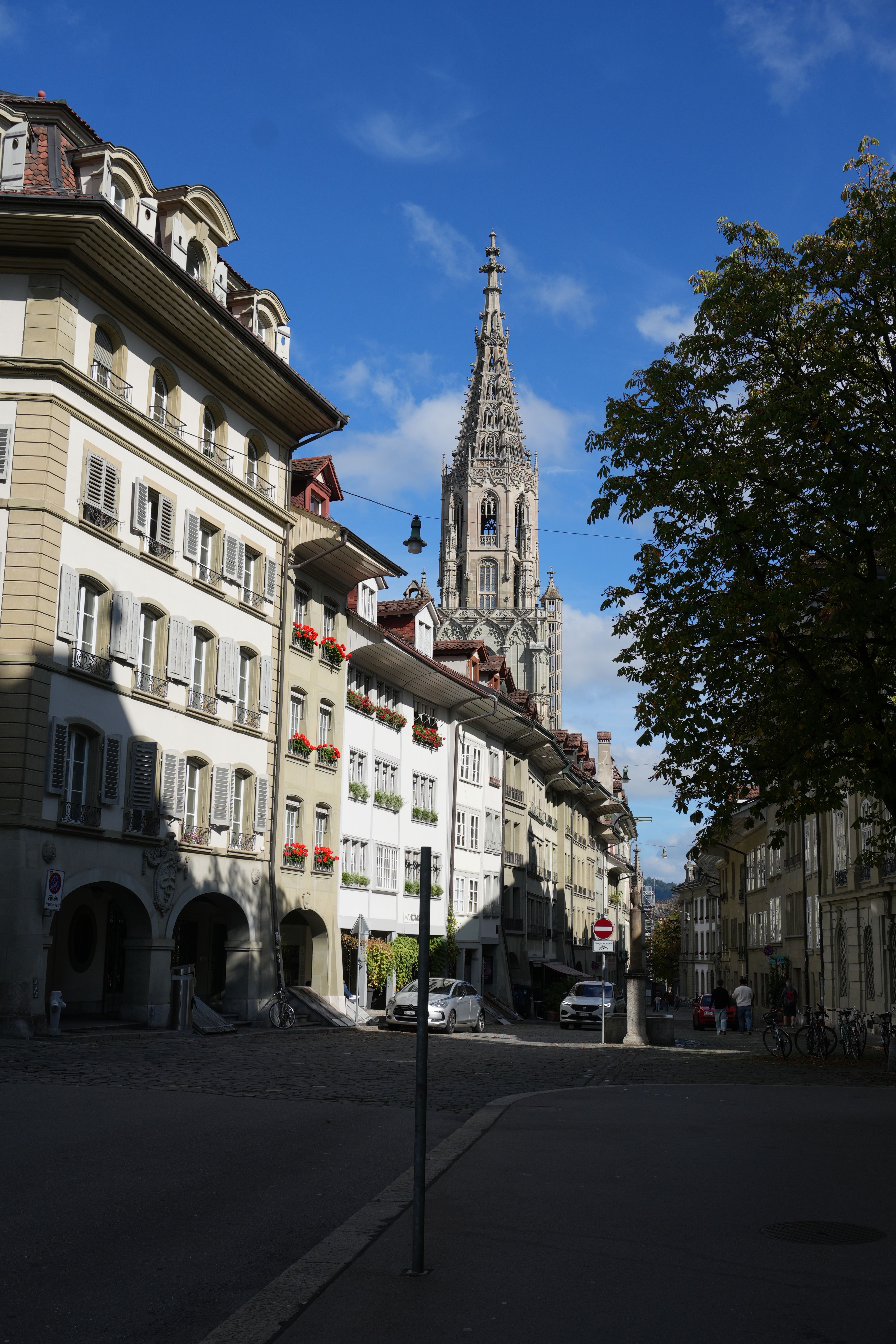
Fairytale medieval Old City with the Zytglogge, Bear Park, arcades and the Aare River. Calm, charming and utterly Swiss.
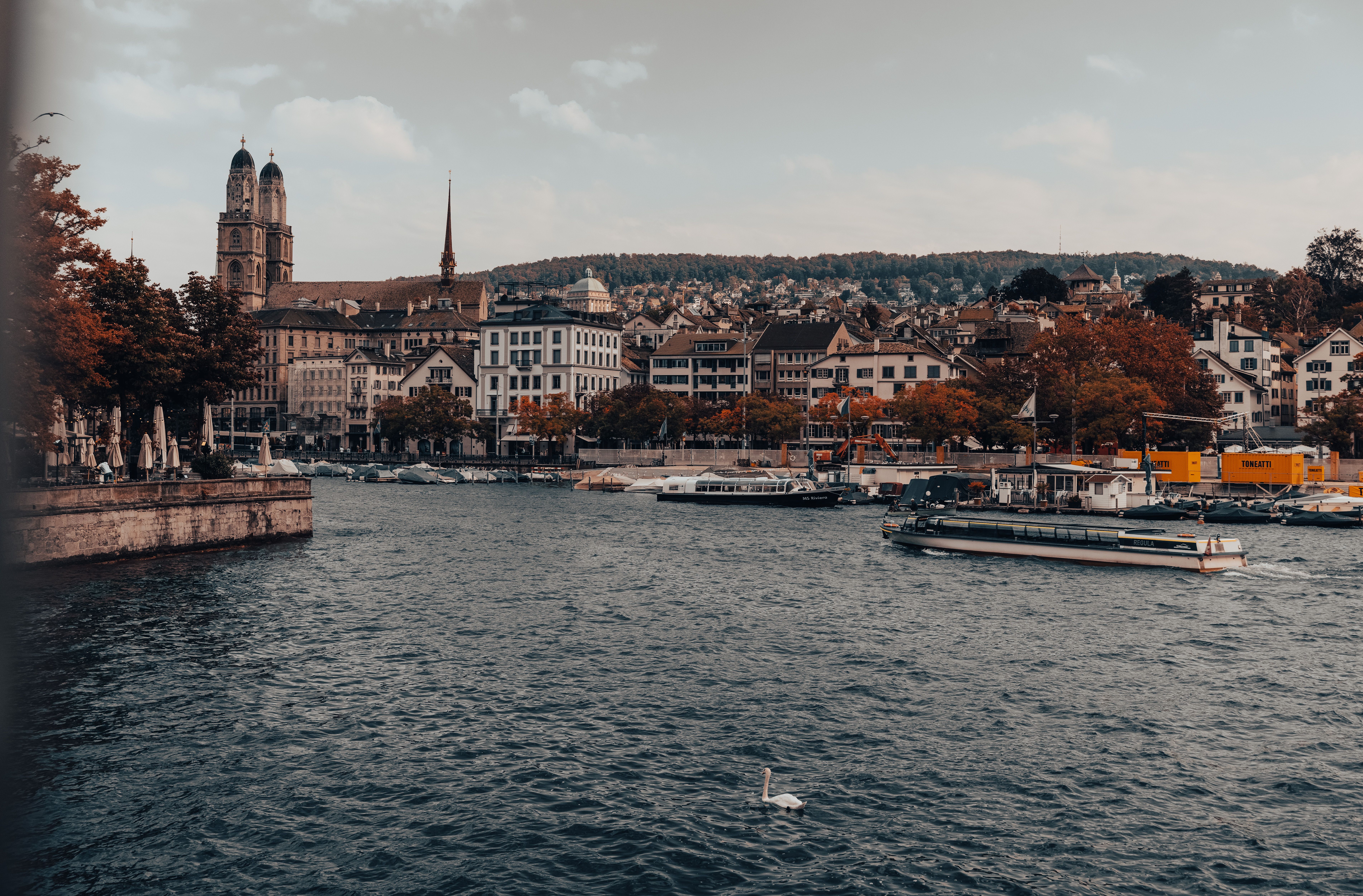
Polished, wealthy and international. Lake Zurich, Bahnhofstrasse, trams and a very different energy from Bern.
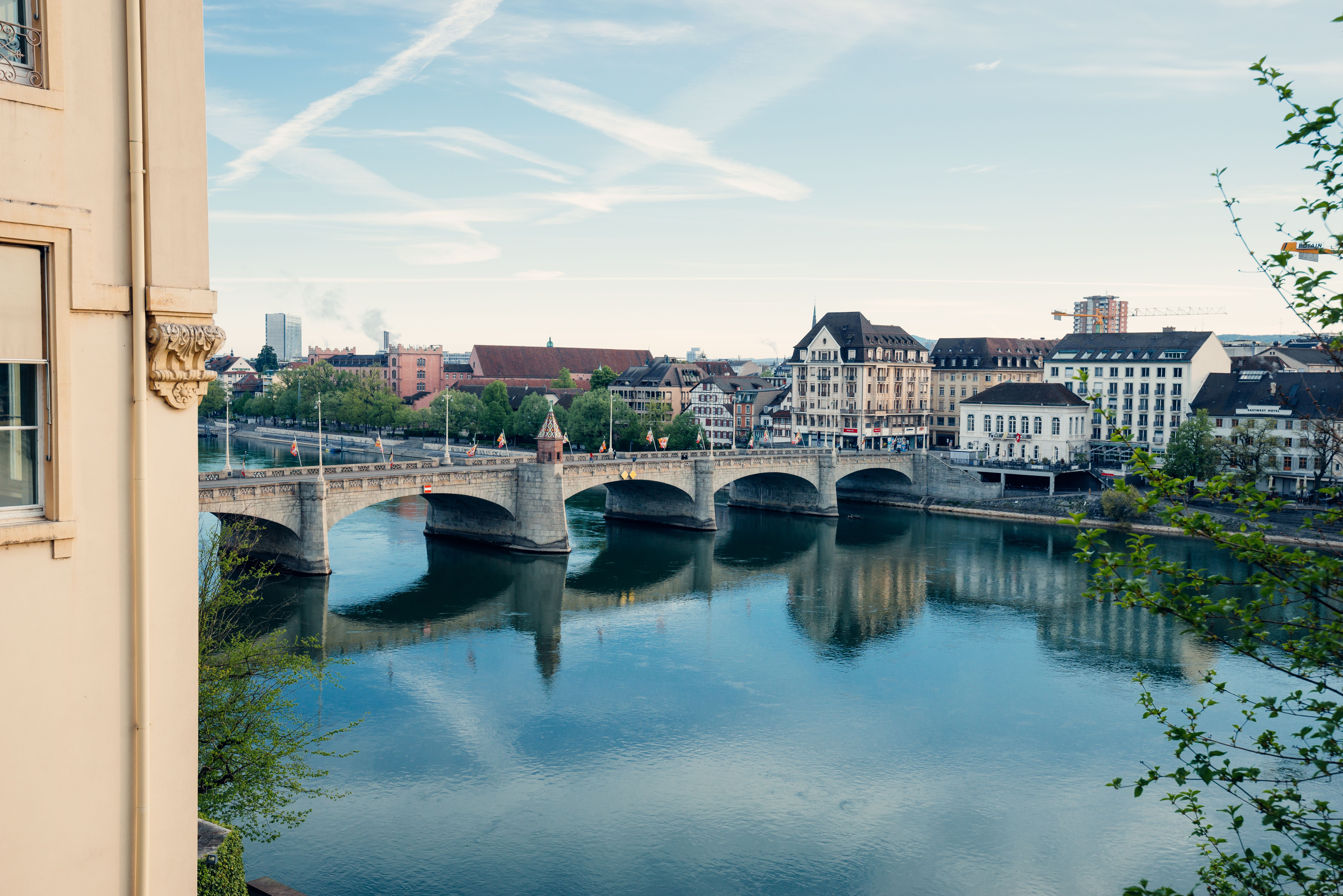
Compact Old Town on the Rhine. Our gateway to Alsace. Trams, a two-hour walking tour and Gifthüttli dinner.
Clean, efficient, scenic and ridiculously punctual. Journeys that felt like sightseeing without needing a separate tour.
Supermarket picnics became our survival strategy. Beautiful scenery, challenging prices.
Switzerland felt like Europe had suddenly been polished
Switzerland made a huge impression because it felt so different from many of the other places on our Interrail route. Everything seemed clean, calm and efficient. Train stations were spotless, streets looked carefully maintained, and even the rivers and lakes seemed impossibly clear.
It was beautiful, but it was also the point in the trip where we fully realised that not all European countries were equally kind to an Interrail budget. Even basic food felt expensive, so Swiss restaurant dreams were quickly replaced with supermarket picnics, bread, cheese and whatever was cheapest near the station.
We stayed overnight in Bern and Zurich, and what made the Swiss section so interesting was how different those two cities felt. Bern was calm, medieval and storybook-like. Zurich was bigger, wealthier, more polished and much more international. Years later, we came back to Switzerland for a completely different kind of trip — a short break in Basel, on the Rhine, as our gateway to Alsace.
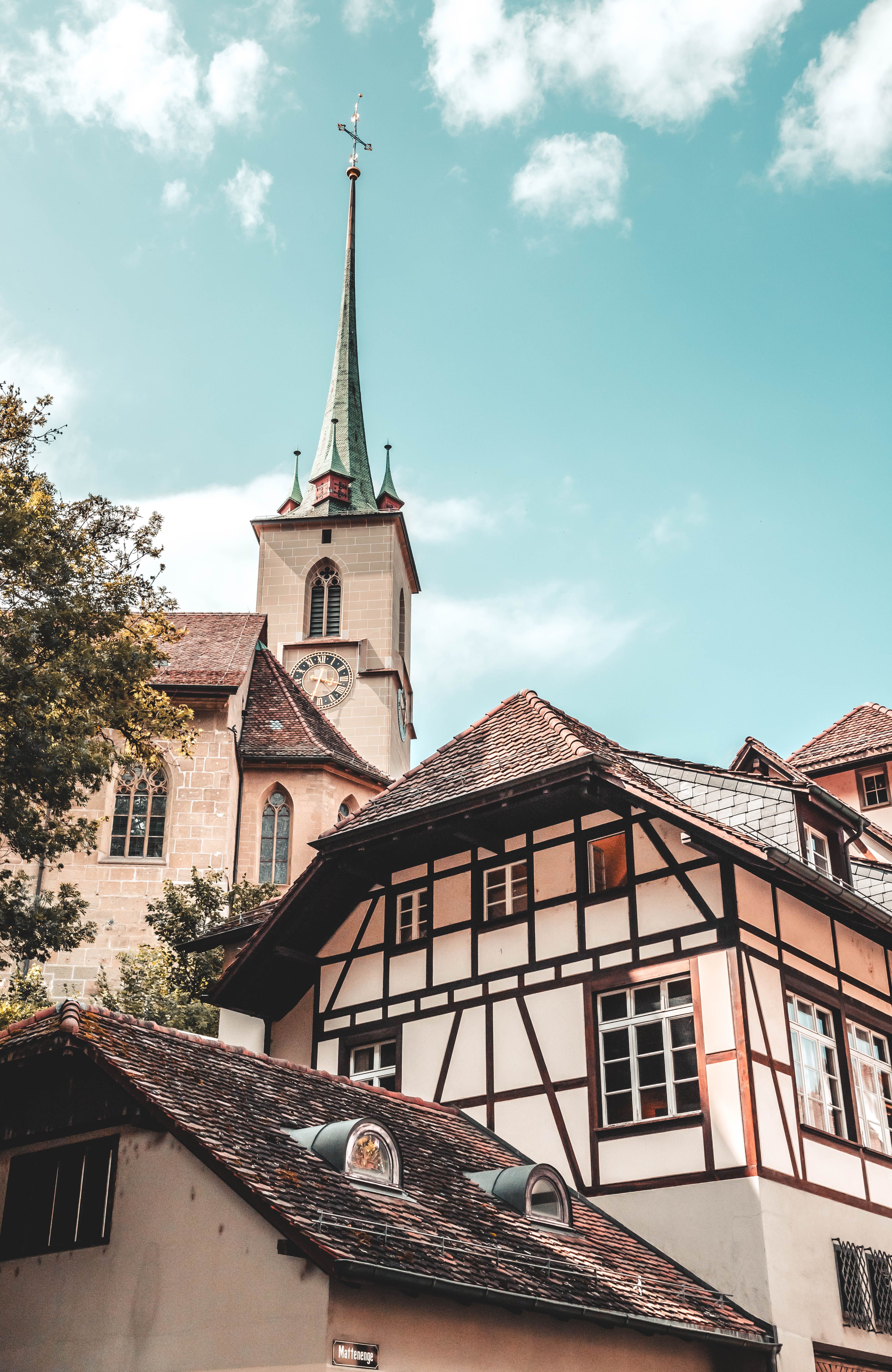
🏰 Bern
Switzerland's fairytale capital. Medieval Old City, the Zytglogge clock tower, Bear Park and the turquoise Aare River. Calm, elegant and utterly charming.
Explore Bern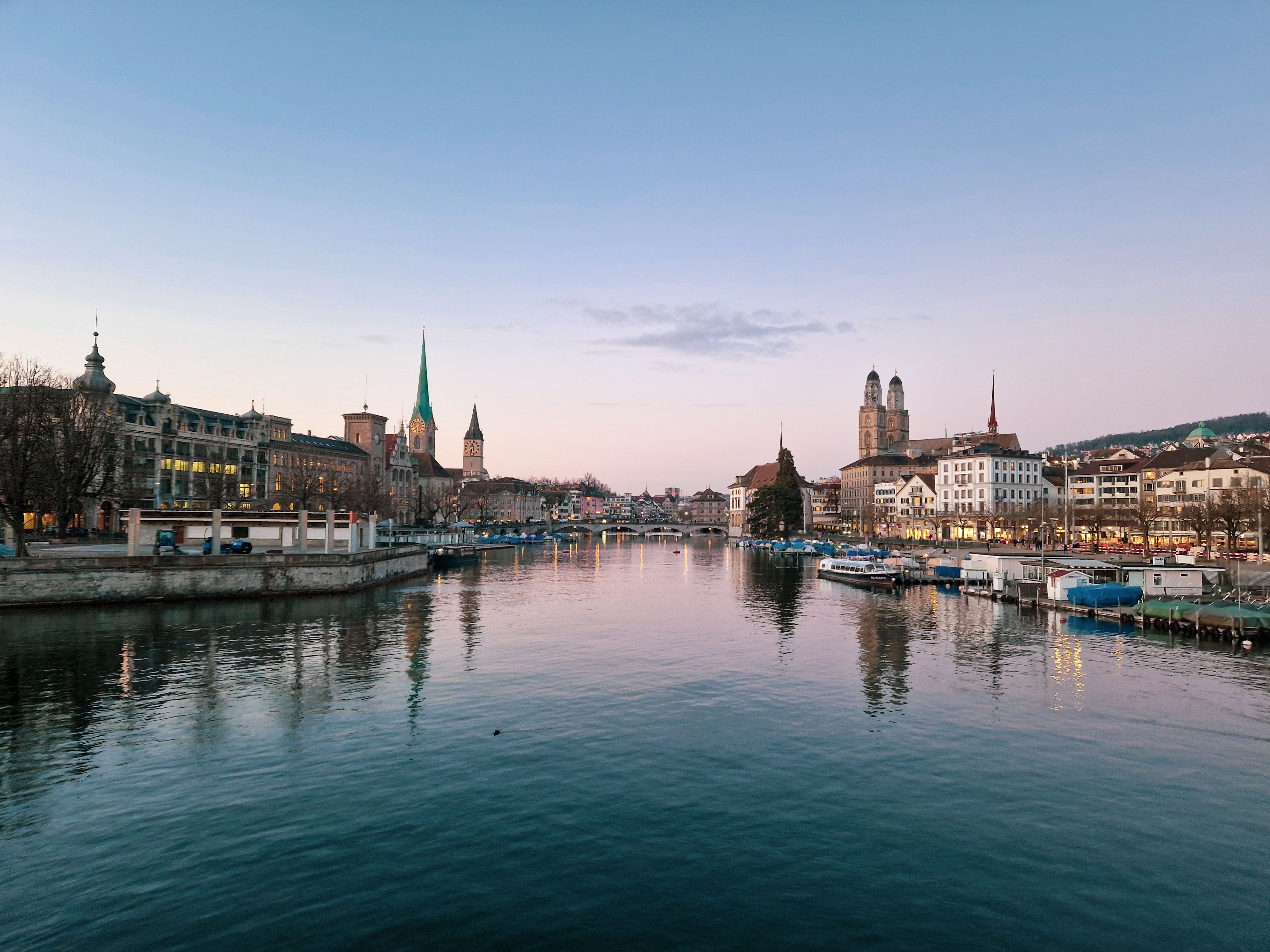
🏙️ Zurich
Polished and cosmopolitan. Lake Zurich, Bahnhofstrasse, historic churches and trams gliding through sleek streets. Completely different energy from Bern.
Explore Zurich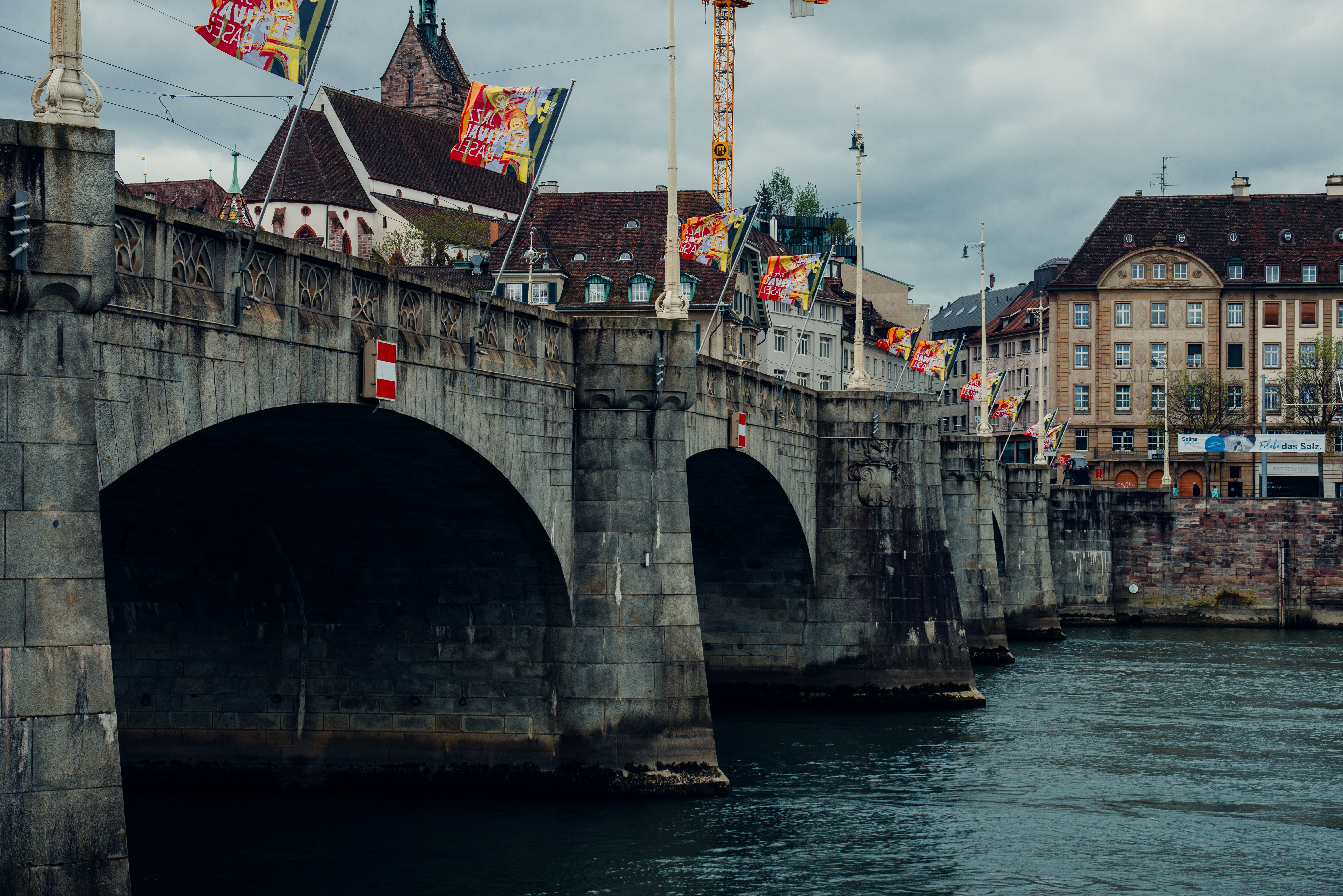
🌉 Basel
Compact and colourful on the Rhine. Old Town wanders, tram rides, a two-hour walking tour and Gifthüttli dinner. Perfect gateway to Alsace via FlixBus.
Explore BaselThree Swiss cities, three very different personalities
Medieval arcades, fountains, the Aare River, the Zytglogge and a calmer, almost sleepy atmosphere.
Banks, luxury shops, trams, Lake Zurich, businesspeople and a very polished international energy.
Compact Old Town, trams, the Rhine and that unusual three-country border feel — great for a short break or gateway to Alsace.
More relaxed, more charming and easier to wander without feeling like your wallet was under attack every second.
The lakefront gave Zurich its beauty — especially with boats, sunlight and the mountains not far away.
FlixBus straight to Colmar makes Basel one of the easiest Swiss cities for a two-country break.
The scenery was almost unreal
One of the biggest memories from Switzerland overall was simply the scenery. Even between cities, Switzerland felt like a postcard: crystal-clear rivers, lakes shining in the sun, mountains in the distance and train journeys that felt like sightseeing without needing to pay for a tour.
The Aare River in Bern was one of those colours that did not look real — clean, turquoise and completely Swiss.
Even in the cities, the mountains never felt far away. Switzerland always had that alpine backdrop somewhere in the distance.
Swiss trains were part of the experience: clean, punctual, scenic and almost suspiciously efficient compared with everywhere else.
Lake Zurich and the rivers looked unbelievably clear and bright, especially after moving through busier European cities.
The country was stunning — the prices were terrifying
As young Interrailers in 2005, Switzerland felt almost impossibly organised and wealthy compared with many of the other countries on our route. But it also felt expensive in a way that genuinely shaped how we travelled there.
Eating out was not really a casual backpacker option. Even simple food felt pricey, so we became very fond of bakeries, supermarkets, station snacks and anything that could be eaten beside a river or on a train platform. Honestly, with Swiss views, even a budget picnic felt fancy.
Bread, cheese, snacks and anything affordable became the Switzerland backpacker meal plan.
Not exactly glamorous, but very useful when restaurants felt far too expensive.
Coming from cheaper parts of Europe, Switzerland felt like someone had doubled the price of everything overnight.
Book a Switzerland tour through TourRadar
Switzerland is perfect for scenic rail journeys, lakeside cities, alpine routes and organised tours — especially if you want the beauty without having to figure out every expensive detail yourself.
Disclosure: This is an affiliate link. If you book through it we may earn a small commission at no extra cost to you.
Book Switzerland activities — GetYourGuide
Rail trips, city tours, lake cruises, mountain excursions and scenic experiences — Switzerland is one of those countries where the journey is part of the attraction.
Disclosure: If you book through this link we may earn a small commission at no extra cost to you.
Find Switzerland hotels on Klook
Switzerland is beautiful but pricey, so comparing accommodation carefully is definitely worth doing before you travel.
Disclosure: This is an affiliate link. If you book through it we may earn a small commission at no extra cost to you.
Switzerland Interrail packing essentials
For Switzerland, pack for clean city days, scenic train journeys, lake walks, changing alpine weather and the need to keep food and travel costs under control.
Perfect for train days, supermarket picnics, water, layers and wandering around Bern or Zurich without dragging your main bag.
View on Amazon →Essential for train tickets, maps, photos and not being caught with a dead phone in an expensive train station.
View on Amazon →Bern's arcades, Zurich's lakefront, Basel's Old Town and old town streets all involve lots of walking.
View on Amazon →Swiss weather can shift quickly, especially near lakes and mountains. A light waterproof layer is always useful.
View on Amazon →Switzerland is ideal for refilling water bottles, and anything that saves money there is a good idea.
View on Amazon →Swiss plugs can catch people out, so a universal adaptor is the safest option for charging everything.
View on Amazon →Disclosure: These are Amazon affiliate links. If you buy through them we may earn a small commission at no extra cost to you.
Switzerland FAQ
Planning your own Switzerland trip?
Go for the trains, the lakes, Bern's medieval charm, Zurich's polished energy and Basel on the Rhine — where you can wander the Old Town, hop on the trams, and even carry on into Alsace with a straightforward FlixBus. Budget carefully, though: Switzerland does not play around with prices.
Affiliate disclosure: if you book through our links we may earn a small commission at no cost to you. We only recommend places and experiences that fit our own travel style.