Old Town & Castle Square
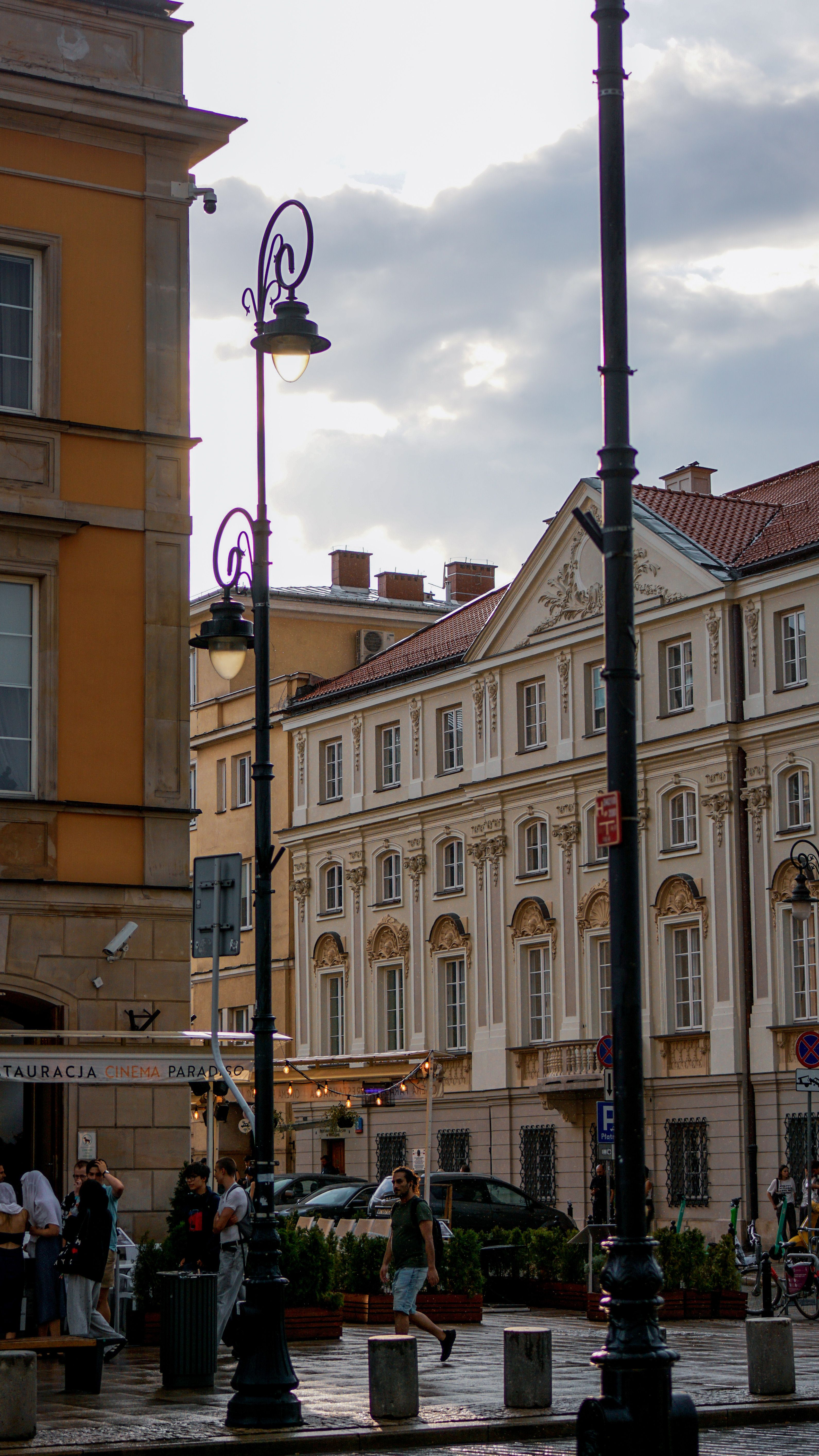
Warsaw's reconstructed historic centre is the natural starting point. Walk through Castle Square, follow the cobbled lanes and find the Mermaid statue in the Old Town Market Square.
Allow 2–3 hoursThe Phoenix City stole Nicola's heart during a summer Interrail adventure with friends in 2005.
Warsaw was part of my Interrail trip with friends in the summer of 2005, and I absolutely loved it. What struck me most was not simply how beautiful the historic centre looked, but the extraordinary story behind it.
Known as the Phoenix City, Warsaw rose again after the devastation of the Second World War. We took a city tour that helped us understand just how much had been lost—and how carefully the city had reconstructed its historic heart.
We explored Castle Square and the Royal Castle, visited the Museum of Warsaw and travelled out to Wilanów Palace and its gardens. We also visited the Monument to the Ghetto Heroes, a powerful and sobering part of the city's story.
It was one of those places that completely surpassed whatever expectations I had before arriving. Warsaw felt proud, resilient and full of life. Nearly two decades later, it remains one of the cities from that Interrail adventure that I remember most fondly.
The basics for planning a first visit to Poland's capital.
Click a stop to zoom in. The map combines the places from Nicola's 2005 visit with a few excellent additions for a modern Warsaw itinerary.
The places that tell the story of Warsaw—from the reconstructed Old Town to royal residences and the history of the Jewish community.
Warsaw's reconstructed historic centre is the natural starting point. Walk through Castle Square, follow the cobbled lanes and find the Mermaid statue in the Old Town Market Square.
Allow 2–3 hoursStanding at the entrance to the Old Town, the Royal Castle was rebuilt after wartime destruction. Its restored interiors reveal Warsaw's royal and political history.
Book ahead in busy periodsSet across historic houses on the Market Square, the museum is an excellent place to understand the people, objects and events that shaped the capital.
Perfect history introductionA magnificent royal residence beyond the centre, Wilanów rewards the journey with ornate rooms, landscaped gardens and a completely different side of Warsaw.
Allow half a dayThe monument was one of the most moving stops on our 2005 tour. The award-winning POLIN Museum now stands opposite and traces a thousand years of Jewish life in Poland.
Allow several hoursFollow Krakowskie Przedmieście and Nowy Świat before slowing down among palaces, gardens and the Chopin Monument in lovely Łazienki Park.
Excellent on foot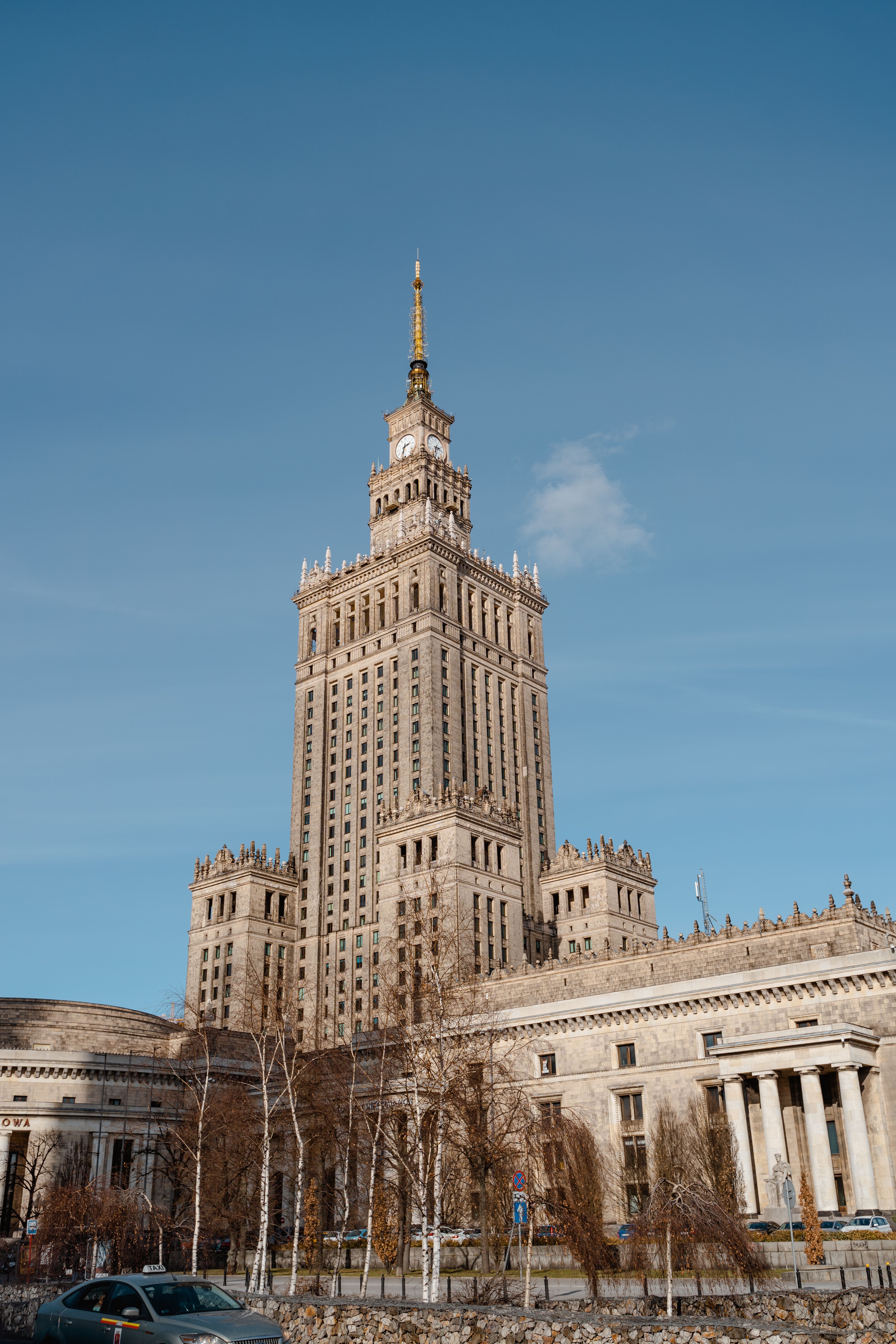
Poland's famous dumplings come with savoury or sweet fillings. Traditional fillings are not gluten-free, so coeliac travellers must ask specifically about safe alternatives.
A distinctive sour rye soup, often served with sausage and egg. It normally contains gluten because of the fermented rye starter.
These no-frills cafeterias are a Warsaw institution and offer traditional Polish dishes at modest prices.
Warsaw has dedicated gluten-free choices, but always confirm preparation and cross-contamination. Carry the Polish phrase: Mam celiakię. Muszę jeść bez glutenu.
For a first visit, staying around Śródmieście, the Royal Route or the Old Town keeps many major sights within easy reach.
Search Warsaw hotels →Disclosure: Some links are affiliate links. If you book through them, we may earn a small commission at no extra cost to you.
Two full days let you cover the Old Town, Royal Route and one major museum. Choose three days if you want to add Wilanów Palace without rushing.
Much of Warsaw was destroyed during the Second World War. Its historic centre was painstakingly reconstructed, becoming a powerful symbol of the city's survival and rebirth.
Yes. Central Warsaw is walkable, while trams, buses and metro services connect the wider city. Bus 180 is particularly useful for sights along the Royal Route towards Wilanów.
Yes, with planning. Warsaw has dedicated gluten-free restaurants and options, but traditional pierogi and żurek usually contain gluten. Always explain that you have coeliac disease and ask about cross-contamination.
Absolutely. Kraków and Warsaw tell very different stories. Warsaw's reconstruction, modern energy, museums and royal sights justify at least two full days.
Return to our Poland guide or follow the 2005 Interrail story onwards to Kraków.
Get a feel for Warsaw before you travel with Drive From Home—explore the city guide or start driving through its streets with local radio.
Explore Warsaw through immersive video, local insight and virtual travel inspiration.
Explore Warsaw from home →Set off through Warsaw's streets and enjoy the city atmosphere from your own sofa.
Drive through Warsaw →Drive From Home is a Two for the Row'd travel partner.