Main Market Square
Rynek Główny is Kraków's magnificent centrepiece. See St Mary's Basilica, browse the Cloth Hall and stay into the evening when the restaurants and cafés bring the square to life.
Return by day and nightGrand squares, late nights and three unforgettable excursions on Nicola's summer 2005 Interrail adventure.
Kraków was another stop on my summer 2005 Interrail trip with friends. It had that wonderful combination of an incredibly beautiful historic centre and a lively, easy-going atmosphere.
We spent plenty of time eating and drinking around the enormous Main Market Square, surrounded by the Cloth Hall, church towers and constant activity. It was exactly the sort of place where you could wander without a plan and still feel that you were in the heart of the city.
We also used Kraków as the base for three very different excursions. Auschwitz-Birkenau was profoundly moving and impossible to forget. The chambers and underground spaces of Wieliczka Salt Mine were astonishing, while our trip to Wadowice brought us to the birthplace and family home of Pope John Paul II.
Kraków gave the trip its lighter evenings and some of its most serious moments. That contrast is a huge part of why the city stayed with me.
The basics for planning Kraków itself—and making room for its outstanding day trips.
Click a stop to zoom in. The map includes Kraków's essential neighbourhoods and the three excursions that made our 2005 visit unforgettable.
Give the city proper time before travelling beyond it. Kraków's centre, Kazimierz and Wawel easily fill two rewarding days.
Rynek Główny is Kraków's magnificent centrepiece. See St Mary's Basilica, browse the Cloth Hall and stay into the evening when the restaurants and cafés bring the square to life.
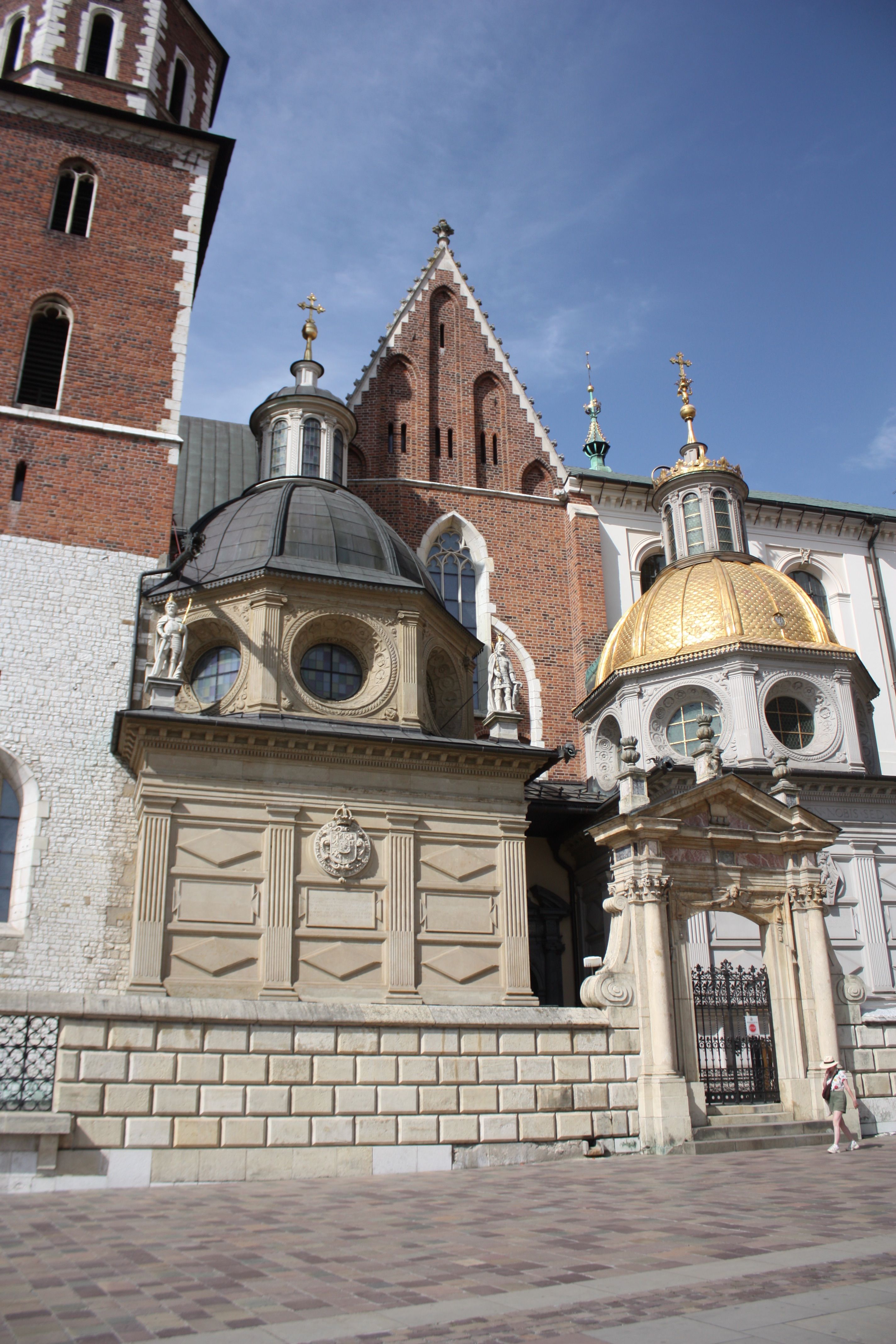
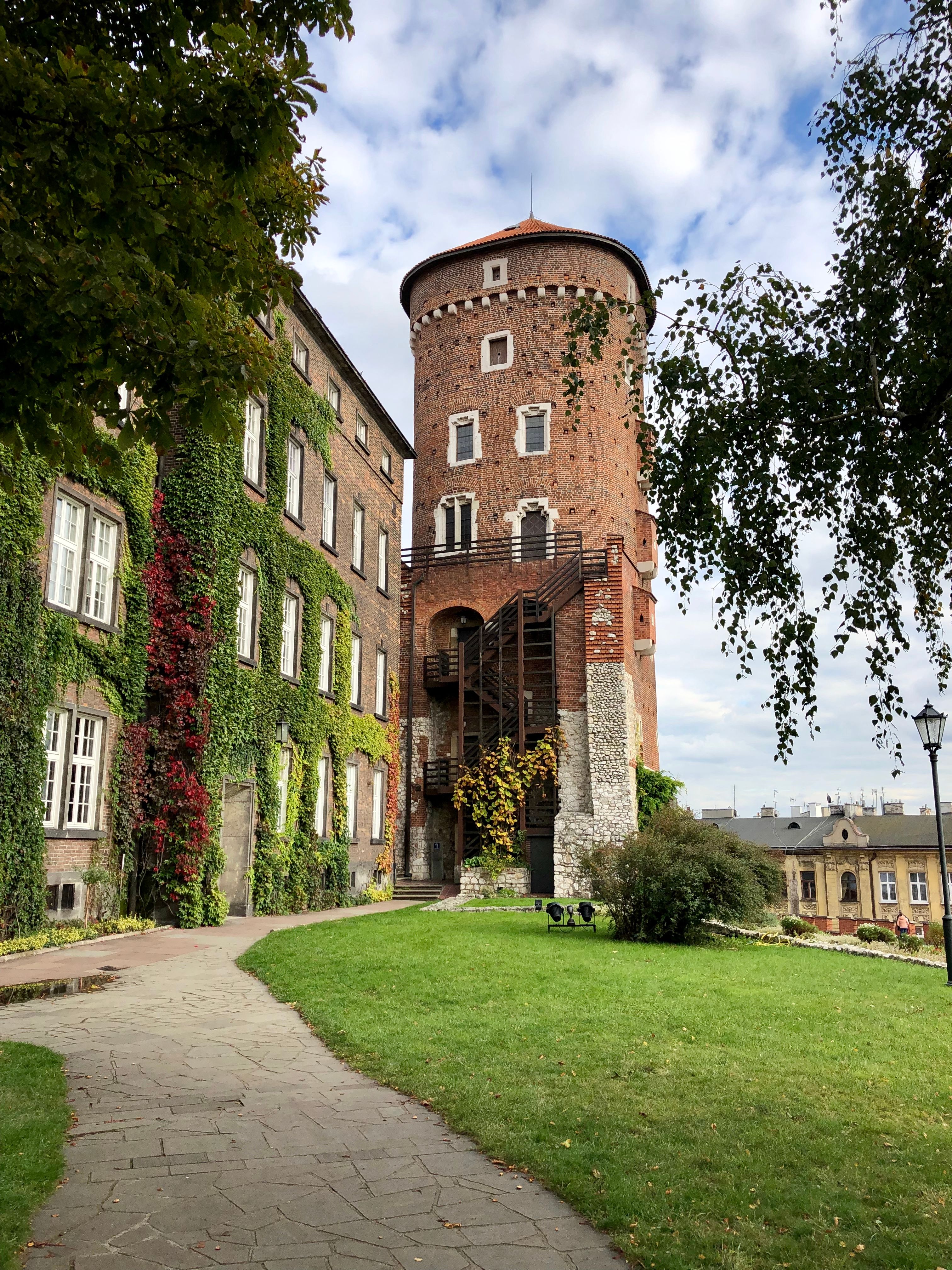
Return by day and nightWalk the Royal Route to Wawel Hill for the cathedral, castle courtyards and views above the Vistula. Interior exhibitions require separate tickets and deserve advance planning.
Allow half a dayThe historic Jewish quarter rewards unhurried exploration. Its synagogues, museums, squares, cafés and restaurants reveal a district with deep history and a strong present-day identity.
Explore respectfullyA profoundly moving visit to the former German Nazi concentration and extermination camp. This is a place of remembrance: allow emotional space, follow site guidance and avoid treating it as an ordinary attraction.
Reserve well aheadDescend through chambers, tunnels and chapels carved in salt. The standard route reaches 135 metres below ground and involves roughly 800 steps, although the return is by lift.
Cool undergroundKarol Wojtyła—the future Pope John Paul II—was born here in 1920. His family home is now a museum, making Wadowice especially meaningful for visitors interested in his life.
Around 50 km from Kraków
Poland's famous dumplings come with savoury or sweet fillings. Standard pierogi contain wheat, so coeliac travellers need a dedicated gluten-free option.
The twisted bread rings sold from street carts are a symbol of Kraków—but they contain gluten and are unsuitable for coeliacs.
Kazimierz is famous for this open-faced baguette loaded with toppings. Look for a venue offering safe gluten-free bread and separate preparation.
Kraków has dedicated options, but always confirm cross-contamination. Carry the phrase: Mam celiakię. Muszę jeść bez glutenu.
For a first visit, stay close to the Old Town or between the centre and Kazimierz. You will be able to walk to most central sights and reach excursion pick-up points easily.
Search Kraków hotels →Disclosure: Some links are affiliate links. If you book through them, we may earn a small commission at no extra cost to you.
Allow two full days for the city. Four or five days work better if you also want to visit Auschwitz-Birkenau, Wieliczka Salt Mine and Wadowice.
Yes. It is one of the most common excursions from Kraków. Reserve in advance, follow all site guidance and allow time afterwards to process an emotionally difficult visit.
Combined tours exist, but we would not recommend rushing them. The sites are very different and both take several hours; Auschwitz especially deserves an unhurried and respectful visit.
No. Karol Wojtyła was born in Wadowice in 1920. He later moved to Kraków, studied there and eventually became Archbishop of Kraków before his election as pope.
The standard tourist route includes roughly 800 steps, with about 380 near the beginning, and descends to 135 metres. The underground temperature is around 17–18°C, so wear comfortable shoes and bring a layer.
Yes, with preparation. Dedicated gluten-free venues exist, but traditional pierogi, obwarzanek and zapiekanka contain gluten. Explain that you have coeliac disease and confirm cross-contamination procedures.
Return to our Poland guide or follow the 2005 Interrail story onwards to colourful Poznań.
See Kraków before you travel with Drive From Home—browse the virtual city guide or start driving through its historic streets.
Explore the medieval centre, riverside atmosphere and character of Kraków from home.
Explore Kraków from home →Travel through Kraków's streets virtually with the sounds and atmosphere of the city.
Drive through Kraków →Drive From Home is a Two for the Row'd travel partner.