Vienna —
imperial grandeur and world-class music
Vienna is one of the great cities of the world. The Ringstrasse lined with magnificent public buildings, world-class museums, the finest classical music tradition on the planet and a historic coffee-house culture recognised in Austria's national inventory of intangible cultural heritage. Walking through Vienna feels like stepping into a city that decided long ago exactly what it wanted to be — and then became it completely.
The imperial capital that knows exactly who it is.
Vienna has been shaped by its past like few cities on earth. It was the capital of the Austro-Hungarian Empire at the height of its power, a city that gave the world Mozart, Beethoven, Brahms and Gustav Klimt. That weight of history is felt everywhere — in the architecture, in the museums, in the concert halls, in the coffee houses that have barely changed in a century.
The Ringstrasse is Vienna's defining feature — a grand boulevard that replaced the city walls in the 1860s, lined with some of the most magnificent public buildings in Europe. The Kunsthistorisches Museum (one of the greatest art museums in the world), the Natural History Museum, the Opera House, the Burgtheater — all within walking distance of each other, all extraordinary.
Nicola attended a classical music concert during her time in Vienna — and it was one of those travel experiences that simply cannot be replicated anywhere else. Hearing Beethoven or Mozart performed in one of the world's great concert halls in a city so closely connected with both composers is something that gets under your skin in a way that is very hard to explain to someone who hasn't experienced it. For music lovers, it is well worth considering as part of a Vienna itinerary. Ticket prices vary widely, so it is worth comparing venues and performance types.
Vienna's coffee-house culture is another world entirely — and is recognised in Austria's national inventory of intangible cultural heritage. Sitting in a grand old Kaffeehaus with a Melange coffee and a slice of Sachertorte, reading a newspaper on one of the provided wooden holders, watching the city drift by at its own unhurried pace — it is one of the great simple pleasures of European travel. The tradition is still very much alive.
What to see in Vienna
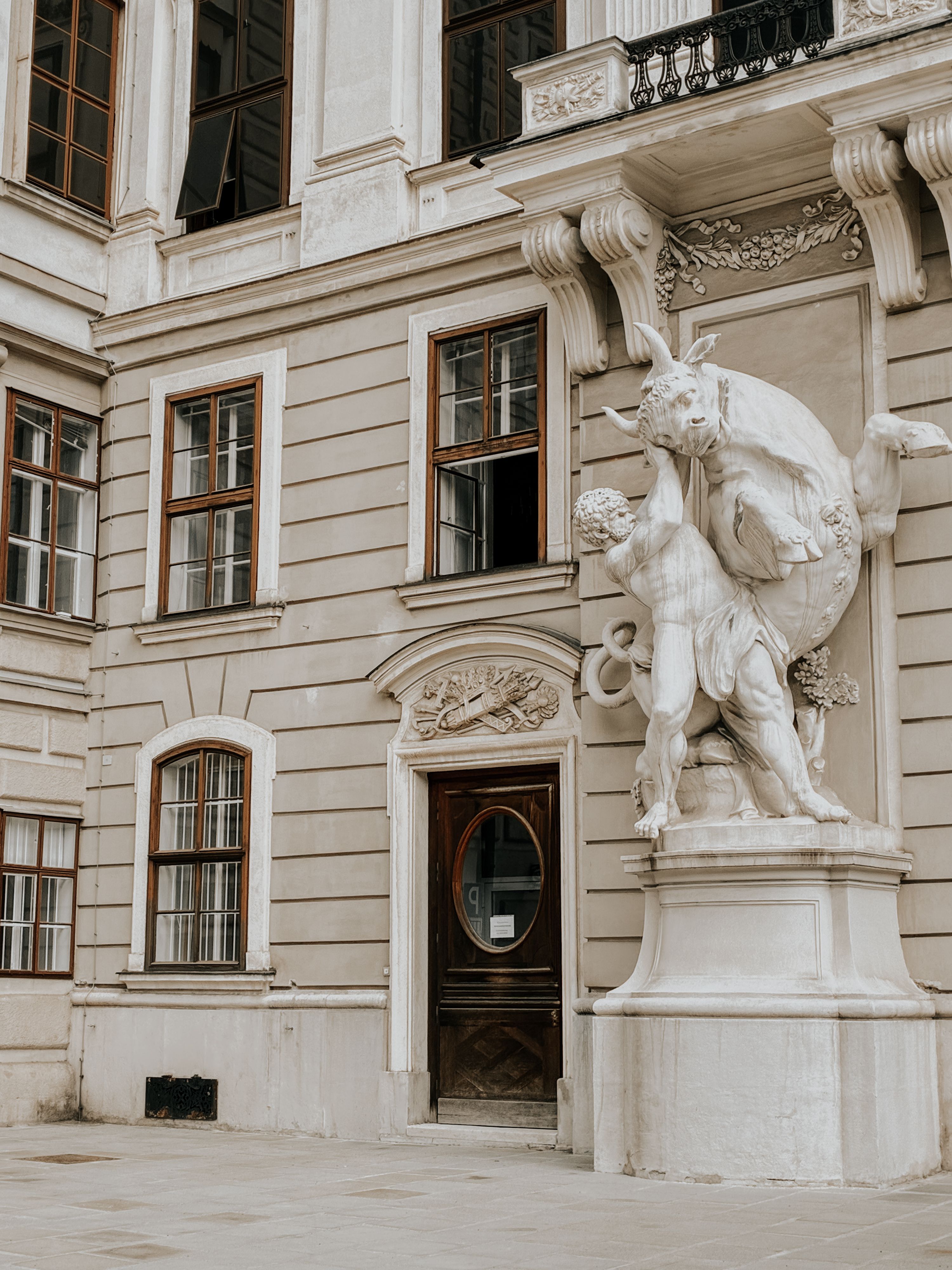
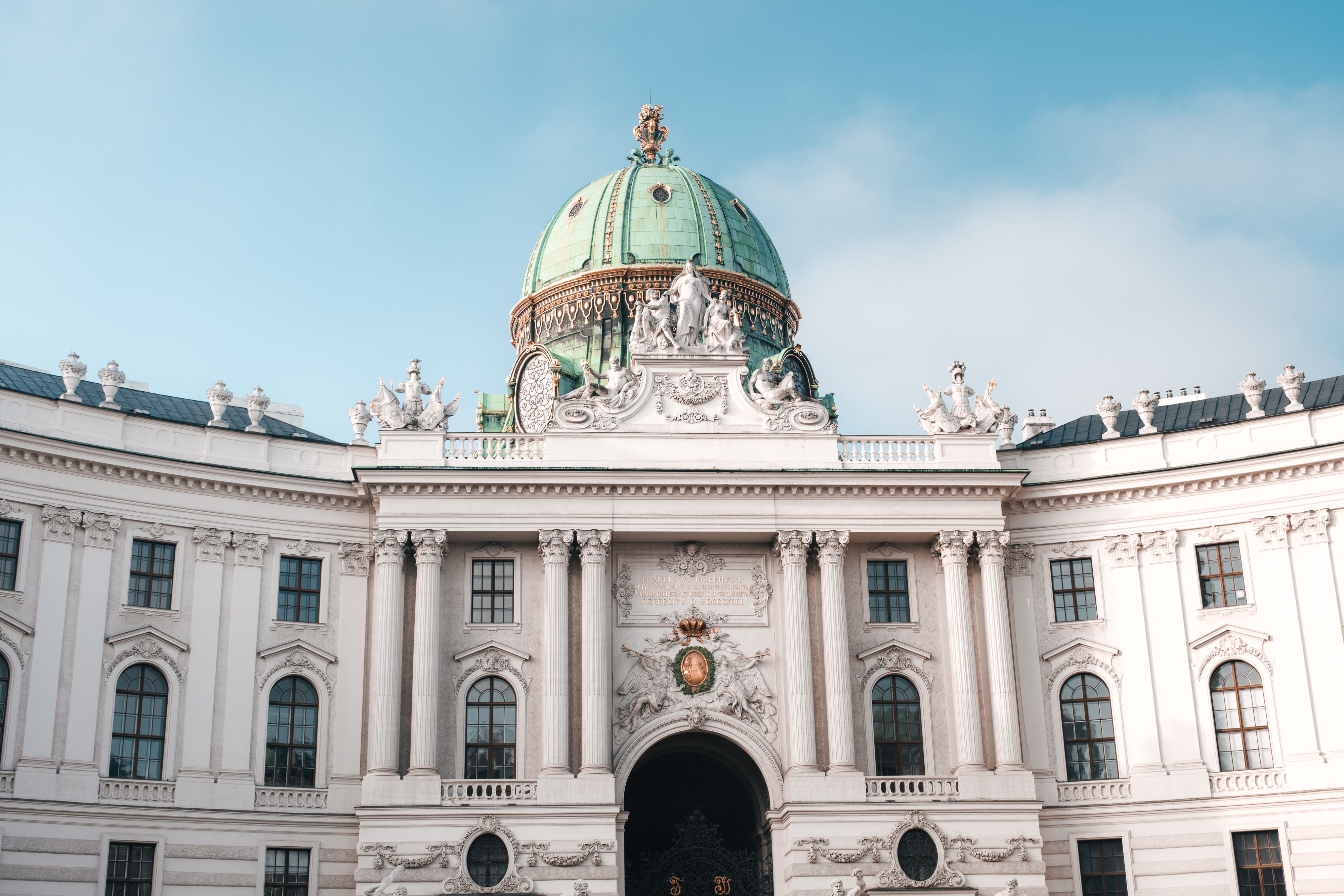
St. Stephen's Cathedral — the iconic Gothic cathedral in the heart of Vienna. Schönbrunn Palace — the summer residence of the Habsburgs, Rococo perfection with formal gardens. Hofburg Palace — the winter residence, still partially the residence of the Austrian president. Albertina Museum — fine art and photography. Vienna State Opera — one of the world's greatest opera houses, performances nightly. St. Stephen's Square — the heart of the old town. Danube River — the famous Blue Danube waltz was written about this. Walk along the waterfront.
Practical information
Getting there: Vienna is a major hub with excellent train connections across Europe. Public transport: The U-Bahn (metro), trams and buses are efficient and cheap. A single ticket costs €3.80, a day pass €10. Where to stay: The inner city (District 1) is where the main sights are but accommodation is expensive. District 2 (Leopoldstadt) and District 7 (Neubau) are more affordable with good restaurants and less tourism. Classical concert tickets: Tickets for concerts at the Musikverein and Konzerthaus start at €15-30 and go up. Don't miss this. Best time to visit: Spring (April-May) and autumn (September-October). Winters are cold but Christmas markets are spectacular. Summers are warm but crowded and many locals leave the city.
Drive through Vienna's streets, the Ringstrasse and St. Stephen's Cathedral from home before you visit.
🚗 Drive Through Vienna NowBrowse Vienna tours and concerts on TourRadar
Guided city walks, palace tours, concert packages and more.
Disclosure: Affiliate link. If you book through it we may earn a small commission at no extra cost to you.
Book Vienna experiences with GetYourGuide
Vienna walks, palace tours, museum tickets, classical concerts and more.
Disclosure: If you book through these links we may earn a small commission at no extra cost to you.