Swansea —
Welsh coastal city where literary heritage, waterfront beauty and beach culture converge
Swansea is Wales's second-largest city and a genuinely distinctive coastal destination. Swansea Bay curves around the city with dramatic sweeping views. The waterfront has undergone extensive regeneration, with museums, public spaces and a marina. The city has maritime and industrial heritage — shipbuilding, tin plate, coal exports. Dylan Thomas, Wales's most celebrated poet and writer, was born in Swansea and the city is central to his life story. Mumbles lies on the western side of Swansea Bay and has a long-established seaside character. The Gower Peninsula, designated as an Area of Outstanding Natural Beauty, lies west of Swansea and is a popular area for beaches, walking and countryside. We visited Swansea as part of our travels around Wales and found a city that combines urban character with genuine coastal atmosphere and strong Welsh identity.
We visited Swansea as part of our travels around Wales. Swansea's coastal setting, Welsh identity and location on Swansea Bay give it a character that is quite different from Cardiff and from the more rural parts of Wales.
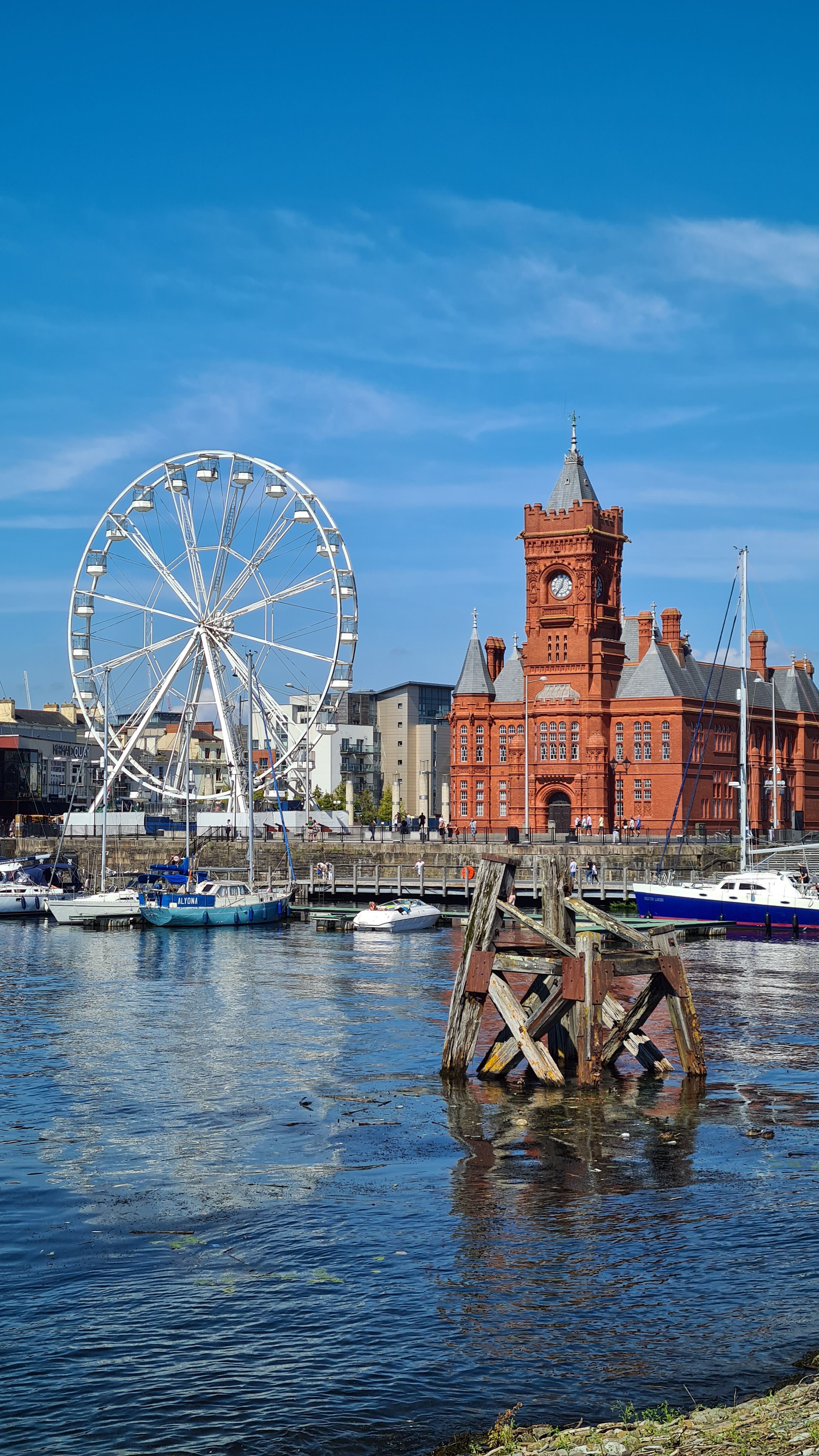
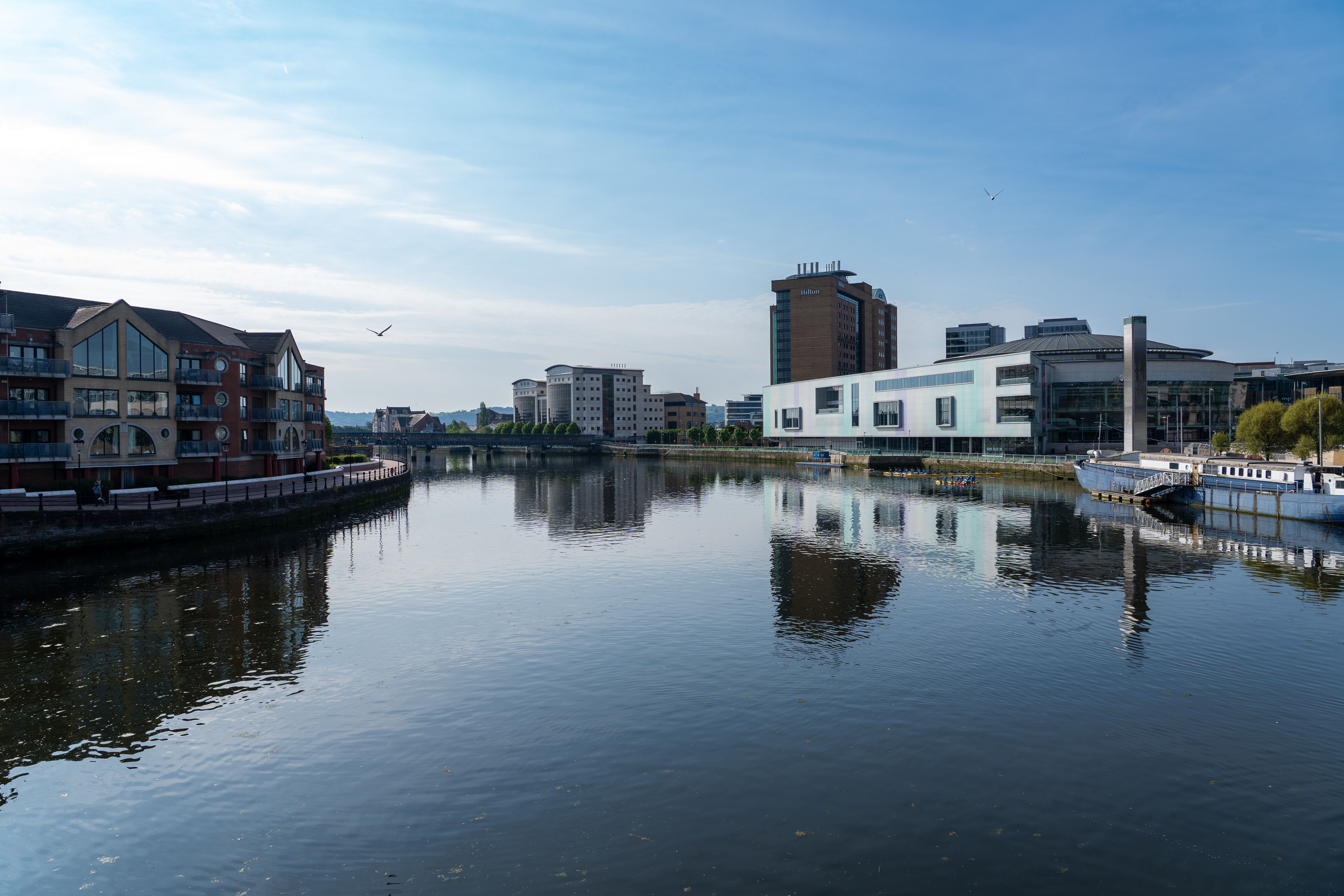
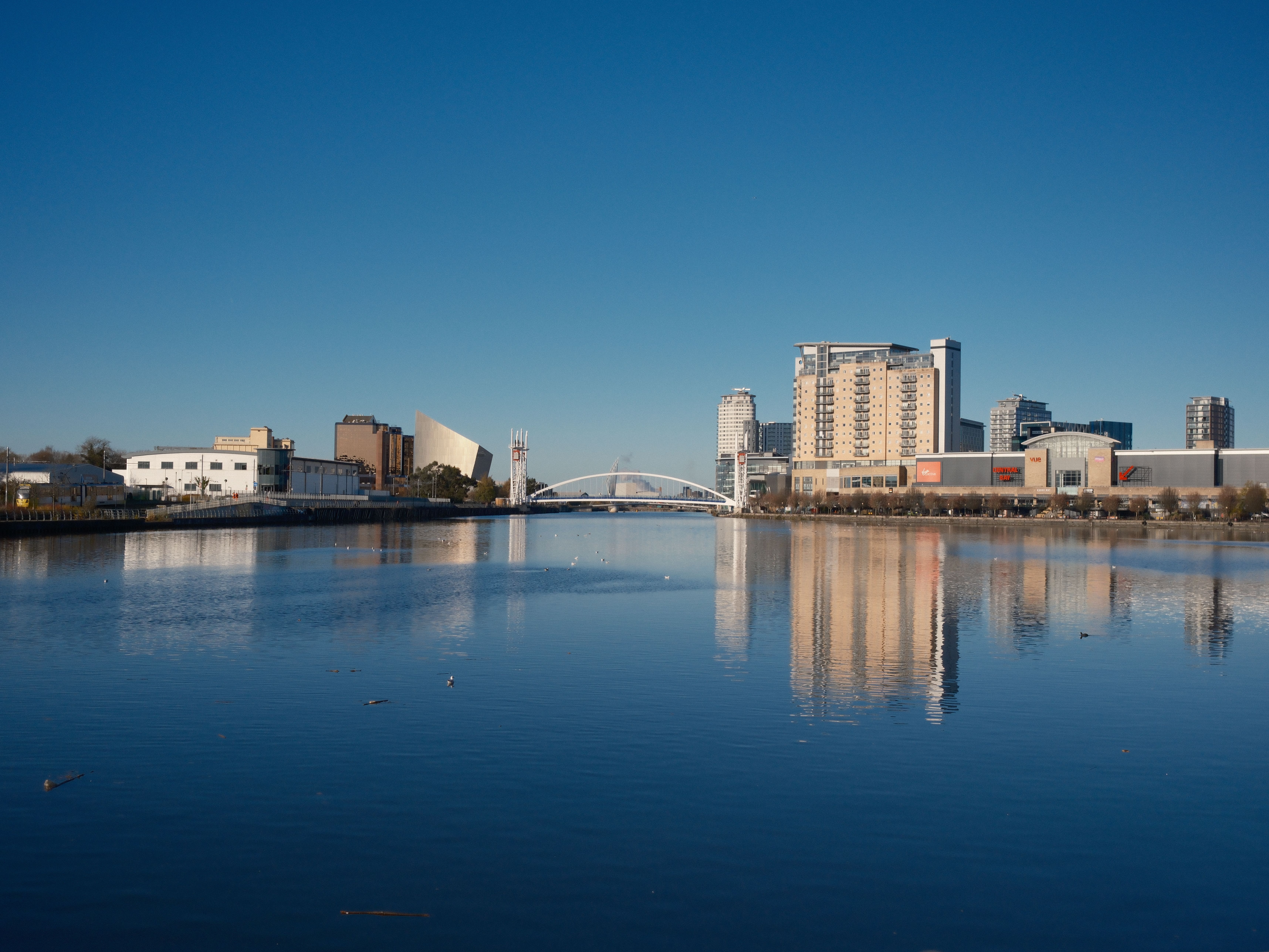
Swansea works as a day visit or as a base for exploring the wider area. Mumbles is nearby and the Gower Peninsula is within easy reach, while the city itself offers a regenerated waterfront, museums and a strong coastal identity.
From medieval settlement to industrial powerhouse to contemporary coastal city
Swansea began as a medieval settlement around the castle and church. The city's transformation came during the Industrial Revolution. The Swansea Valley developed as a major tinplate manufacturing centre. Copper smelting operated here. Coal from the South Wales valleys was exported from Swansea's docks. This industrial wealth funded Victorian and Edwardian development of the waterfront and city centre.
The 20th century saw industrial decline as manufacturing relocated. Like many former industrial cities, Swansea faced economic challenges and urban decay in recent decades. Contemporary Swansea represents regeneration — the waterfront has been comprehensively redeveloped with museums, restaurants, a new marina and cultural venues. The city is moving beyond industrial heritage toward becoming a cultural and leisure destination while retaining genuine Welsh character.
A dramatic curve of coastline
Swansea Bay is the city's defining feature — a wide semicircle of water with Swansea city on one side and the Mumbles peninsula extending into the bay on the other. The bay's scale is impressive — wide open water, beach foreshore, and urban development all visible together. The bay dominates views from much of the city and gives Swansea its unmistakable coastal character.
The bay's waterfront has been regenerated significantly over the past two decades. The old docks have been replaced with a new marina, waterfront restaurants and bars, museums and cultural venues. The regenerated waterfront is now a mixed area of public space, cultural attractions, marina activity and places to eat and drink.
Contemporary waterfront development
Swansea Marina is the focal point of the waterfront regeneration. The marina accommodates pleasure boats and fishing vessels. The surrounding area has been developed with restaurants, bars, shops and walkways. The waterfront is designed for walking and spending time — pathways, seating areas, public spaces that invite people to engage with the water rather than hiding it behind walls.
The regeneration represents genuine urban renewal — taking industrial dock space and transforming it into attractive public space. The result is a mixed waterfront district used by both residents and visitors.
Wales's greatest poet and writer
Dylan Thomas (1914–1953) is one of Wales's best-known poets and writers. He was born in Swansea and spent his formative years in the city. His work includes poetry, short stories and drama, and he remains an important figure in Welsh literary history. Thomas is famous for works like "Under Milk Wood" and poems that blend Welsh language and identity with broader human experience.
Swansea is central to Thomas's biography and literary significance. The Dylan Thomas Centre in Swansea documents his life and work. Various locations around Swansea are connected to Thomas's life — his birthplace, places he frequented. For anyone interested in Welsh literature or Thomas specifically, Swansea is the natural place to explore his legacy.
Dylan Thomas Centre and literary museums
The Dylan Thomas Centre is Swansea's museum dedicated to the writer. The centre documents his life, displays manuscripts, and explores his literary significance. The centre focuses on Thomas's life and work and can add useful context for visitors interested in Welsh literary history.
Peninsula extension with character
Mumbles is a coastal district on the western side of Swansea Bay. It's technically part of Swansea but feels distinct — a seaside resort area with Victorian architecture, a pier, beach culture and holiday atmosphere. The Mumbles has promenade walks, restaurants and a relaxed seaside character that contrasts with urban Swansea.
Mumbles is accessible from central Swansea by road and public transport. It works as a day trip from Swansea proper or as an extension of a Swansea visit. The contrast between urban waterfront regeneration in central Swansea and Victorian seaside charm in the Mumbles is notable and adds dimension to the wider Swansea area experience.
Industrial heritage and maritime history
The National Waterfront Museum sits on Swansea's waterfront and documents the region's industrial and maritime heritage. Exhibitions cover tinplate manufacture, coal mining, copper smelting, the docks, ships and related industries that made Swansea a major industrial centre. The museum tells stories of workers, communities, technical innovation and industrial change.
The museum is well-curated and genuinely interesting for understanding not just Swansea but broader Welsh industrial history. The building itself is contemporary architecture sitting on historic dock land — a visual representation of past and present existing together.
Cultural institutions in Swansea
Swansea Museum: Local history museum covering Swansea's development from medieval times to present. Genuine local museum with character and specific focus on Swansea rather than generic Welsh history.
Glynn Vivian Art Gallery: Art museum with focus on Welsh art and international contemporary work. Well-regarded gallery in a historic building.
Dylan Thomas Centre: Museum dedicated to Wales's greatest literary figure. Essential for Thomas enthusiasts, interesting for general visitors.
National Waterfront Museum: Industrial and maritime heritage museum already described above.
Swansea Castle: Medieval castle remains in the city centre. Limited remains but historically significant and used for various cultural events.
Area of Outstanding Natural Beauty nearby
The Gower Peninsula lies west of Swansea and is designated as an Area of Outstanding Natural Beauty (AONB). The peninsula features dramatic beaches (Rhossili Beach is particularly famous), limestone cliffs, moorland countryside and picturesque villages. It's one of South Wales's natural highlights.
Swansea makes a natural base for exploring the Gower. Many parts of the peninsula are reachable as a day trip from Swansea, though journey times vary by destination and traffic. You can day trip from Swansea or use the city as an overnight base while spending days exploring Gower. The contrast between urban Swansea waterfront and rural Gower coastline is striking and makes for varied exploration.
Sandy shores and seaside atmosphere
Swansea Bay itself has sandy beaches with varying character. Some beaches are more developed and family-oriented, while others are quieter and more rural. The Mumbles area has beach culture and seaside resort atmosphere. Beyond the Mumbles toward the Gower, the coast becomes progressively more dramatic and rural.
The coastline offers everything from busy family beaches to quieter rocky coves depending on where you venture. Beach conditions vary around Swansea Bay and the wider coast, so check local conditions before swimming or entering the water.
Book Swansea experiences
Museums, tours, waterfront activities and coastal experiences in Swansea and the surrounding area.
Disclosure: If you book through these links we may earn a small commission at no extra cost to you.
Explore Wales with TourRadar
If you'd prefer to explore Swansea and wider Wales as part of a guided tour, TourRadar has options ranging from focused Swansea/Gower explorations to multi-day Wales tours that include coastal regions, mountains and cultural attractions.
Disclosure: Affiliate link — we may earn a small commission if you book.
One day in Swansea
Morning: Start at the waterfront. Visit the National Waterfront Museum or Dylan Thomas Centre. Walk the marina and waterfront development to get oriented to the regenerated area.
Midday: Have lunch at a waterfront restaurant. Walk along the waterfront promenade or visit Swansea Beach area to experience the bay and seaside atmosphere.
Afternoon: Visit another museum (Glynn Vivian Art Gallery, Swansea Museum) or make a short trip to the Mumbles to experience Victorian seaside charm. Explore local shops and galleries.
Evening: Have dinner at a waterfront restaurant with bay views. The evening light across Swansea Bay is particularly beautiful.
Two or three days in Swansea
With more time, you can explore museums thoroughly, day trip to the Gower Peninsula (beaches, villages, coastal walks), experience Mumbles properly, explore local neighbourhoods beyond the waterfront, visit historical sites like Swansea Castle, engage with Swansea's literary and cultural scene, and experience the city as locals do rather than just hitting major attractions. Two-three days lets you understand Swansea as an actual city and explore the wider Swansea area (Mumbles, Gower) comprehensively.
Minimum: A half-day works for visiting the waterfront, walking the marina and seeing Swansea Bay. It's rushed but captures the main scenic experience.
Ideal: One full day in Swansea lets you visit one or two museums, explore the waterfront properly, experience both the urban regeneration and coastal atmosphere, and potentially make a short trip to Mumbles or Gower. A day feels satisfying without constant rushing.
Extended: Two nights or more in Swansea lets you explore thoroughly, visit multiple museums, day trip to Gower Peninsula, experience Mumbles properly, engage with restaurants and cultural venues, and genuinely understand Swansea as a destination rather than just hitting highlights.
Swansea by season
Spring (March-May): Pleasant weather, flowers blooming, fewer crowds than summer. Good time to visit with comfortable temperatures and spring atmosphere.
Summer (June-August): Typically the warmest and one of the busier periods, particularly around beaches and coastal attractions. Booking ahead can be useful.
Autumn (September-October): Can be a pleasant time for a coastal city break, with cooler temperatures and fewer summer visitors.
Winter (November-February): Cooler, darker and often wetter, with fewer visitors outside major events. Check seasonal opening times before travelling.
Transport to Swansea
By train: Swansea railway station is the city's main rail hub, with services to Cardiff, London and other destinations. Check current timetables for journey times and connections.
By bus: Long-distance coach services connect Swansea with Cardiff, London and other destinations. Check current operators for routes, fares and journey times.
By car: Swansea is accessible by car via the M4 motorway from Cardiff and the east. Parking in the city centre is available (car parks and street parking) but can be expensive and tight. Having a car is useful for exploring the Gower Peninsula and Mumbles thoroughly.
By plane: Swansea Airport is a small regional airfield rather than a major scheduled passenger airport. Visitors arriving by air commonly use larger airports such as Cardiff or Bristol and continue by road or rail.
Transport within the city and area
On foot: Central Swansea and the waterfront are walkable. The main attractions — museums, marina, beaches — are within reasonable walking distance or short bus rides.
Buses: Swansea has a comprehensive bus network. Buses are efficient and reasonably priced. They're the best way to reach Mumbles or parts of Gower without a car.
Taxi: Taxis are available for point-to-point travel. Useful for reaching Mumbles or when carrying bags but expensive compared to buses.
Car rental: Useful if you want to explore Gower Peninsula thoroughly. Driving lets you access remote beaches and villages easily. Parking at attractions is generally available though can fill during busy periods.
Walking tours: Various walking tour companies operate in Swansea covering city history, waterfront development and other themes.
Take a virtual drive around Swansea
Want to get a feel for Swansea before your trip — or revisit it from home? Drive From Home lets you virtually drive around the city and explore its streets and surroundings from your screen.
Find your Swansea accommodation
Hotels, guesthouses and apartments across central Swansea, the waterfront and nearby areas.
Disclosure: If you book through these links we may earn a small commission at no extra cost to you.
Choosing where to stay
Waterfront/city centre: Most convenient for attractions and nightlife. Close to museums, restaurants and shopping. Can be busier and noisier.
Mumbles: Seaside resort atmosphere with beaches and Victorian charm. Pleasant for a seaside experience. Roughly 15 minute drive or bus from central Swansea.
Other neighbourhoods: Various quieter residential areas offer local character and better value. Slightly less convenient for tourist attractions but good for experiencing where locals live.
Budget: Swansea has accommodation at various price points. Summer and weekends book up and prices rise. Off-season and weekdays offer better value.
Eating in Swansea
Waterfront dining: The marina area has numerous restaurants with bay views. Good range of cuisines and price points. The waterfront setting enhances the dining experience.
Welsh cuisine: Restaurants emphasise local ingredients and Welsh specialities. Lamb, seafood and potato-based dishes are common. Look for places emphasising Welsh provenance.
Pubs: Traditional pubs serve real ale and pub food. Good for experiencing local atmosphere.
Seafood: Seafood appears widely on menus across Swansea and the wider coast. Look for restaurants with local fish and shellfish.
Markets: Local food markets and delis offer quality local products and casual eating options.
Weather and what to expect
Swansea weather is typical Welsh — changeable, often grey and potentially rainy, but rarely extreme. Spring and autumn are most pleasant. Summer can be warm. Winter is cold. The coastal location means weather can be dynamic — the bay can be calm or dramatic depending on conditions. Layering and waterproof jackets are wise year-round.
Money and costs
Costs vary depending on attractions, meals, transport and accommodation, so check current prices when planning.
Swansea packing essentials
Swansea involves coastal walking and potentially beach/seaside time. Comfortable shoes and layered clothing essential.
You'll be walking waterfront, beaches and potentially coastal paths. Good supportive shoes are essential.
Welsh weather is changeable. A compact waterproof is essential for rain. Coastal wind adds to weather dynamics.
A sweater or fleece for variable temperatures. Coastal areas can be windy and cool even in summer.
If you plan to swim or paddle in summer. Water temperatures can be cool, so check conditions before swimming. Bring a towel.
Swansea Bay, the waterfront and Mumbles/Gower coastlines are visually engaging. Photography opportunities abundant.
Hands-free bag for essentials while exploring waterfront and beaches. Useful for carrying layers and camera.
Common questions
Swansea FAQ
Ready to explore Swansea?
Swansea is a Welsh coastal city where waterfront regeneration meets seaside atmosphere, where Dylan Thomas's literary legacy echoes, and where a dramatic bay and nearby Gower Peninsula make it an ideal base for exploring South Wales's natural beauty and cultural richness.