Llandudno —
classic Welsh seaside resort where Victorian charm, dramatic clifftop views and literary heritage meet
Llandudno is North Wales's premier seaside resort and one of the UK's best-preserved Victorian destinations. The town was developed as a planned resort in the 19th century and retains that character — sweeping promenade, traditional pier, Victorian architecture and a distinctive coastal atmosphere. The town sits between two dramatic headlands, particularly the Great Orme, a limestone headland rising dramatically from the sea with its own tramway and attractions. Llandudno has a personal connection for us because Nicola visited as a child. Years later, our travels took us around Wales as adults. Llandudno remains a destination that combines old-school seaside charm with natural beauty, literary heritage and easy access to North Wales's mountains and countryside.
Llandudno has a personal connection for us because Nicola visited as a child. Years later, our travels took us around Wales again as adults. We haven't built this guide around invented childhood memories or assumed that we revisited particular Llandudno attractions — the sections below are practical recommendations and background for planning your own visit.
The town works as a long weekend destination, a day trip base, or as part of a broader North Wales exploration. Llandudno functions as both a destination in itself and as a good base for exploring Snowdonia, Conwy and other North Wales attractions.
From village to planned Victorian resort
Llandudno's modern character dates from the Victorian era when it was developed as a planned seaside resort. Before that, Llandudno was a small fishing village. During the 19th century, as Britain's railways expanded and seaside holidays became fashionable, Llandudno was transformed into a purpose-built resort.
The planned development gave Llandudno its distinctive character — the sweeping promenade, the structured grid of Victorian streets, the planned development around the bay. This was not organic village growth but deliberate resort development following Victorian resort design principles. The result is a town that feels distinctly Victorian — architecture, street planning, public buildings and cultural atmosphere all reflect 19th-century resort culture.
Victorian architecture and seaside charm
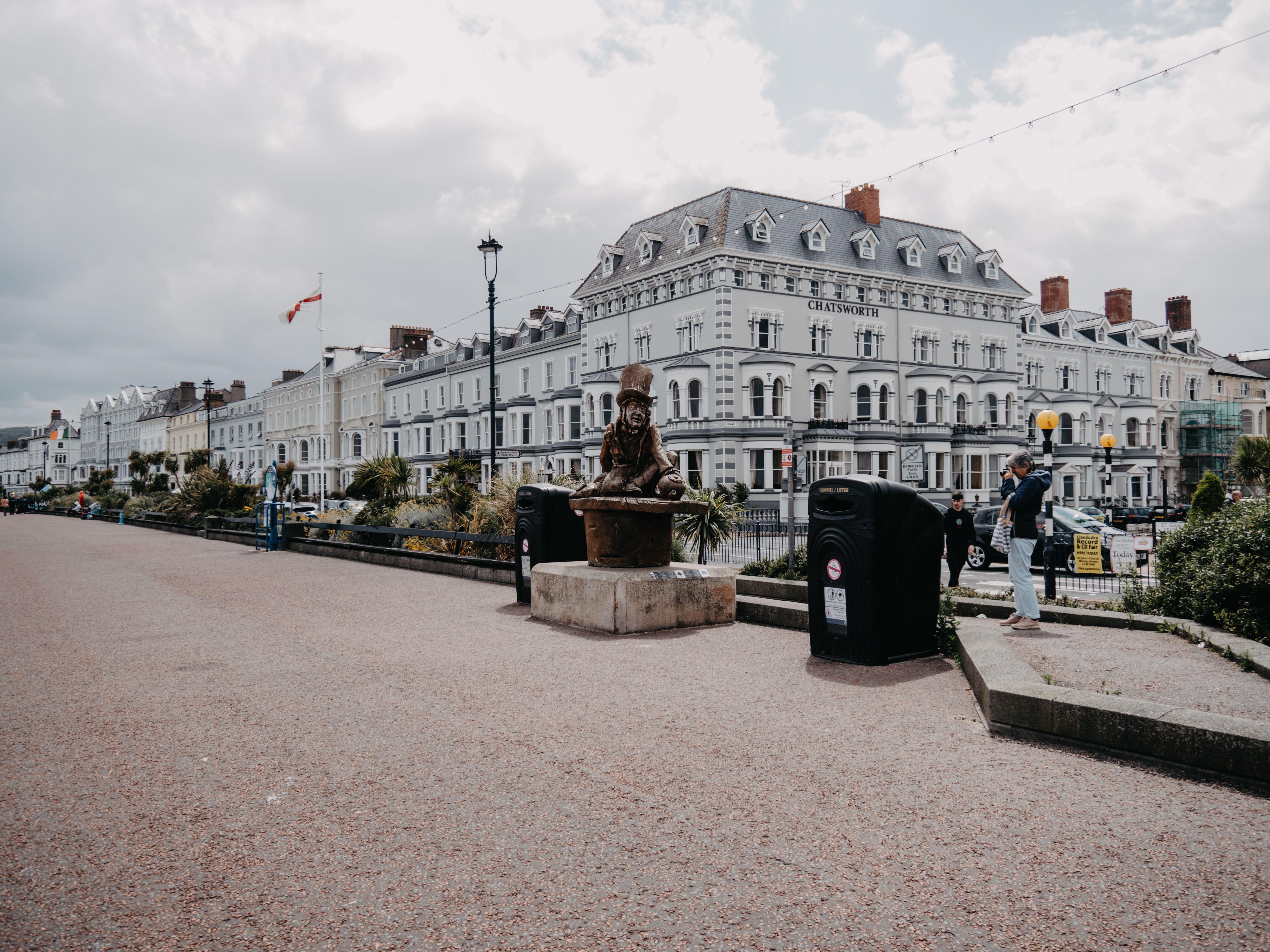
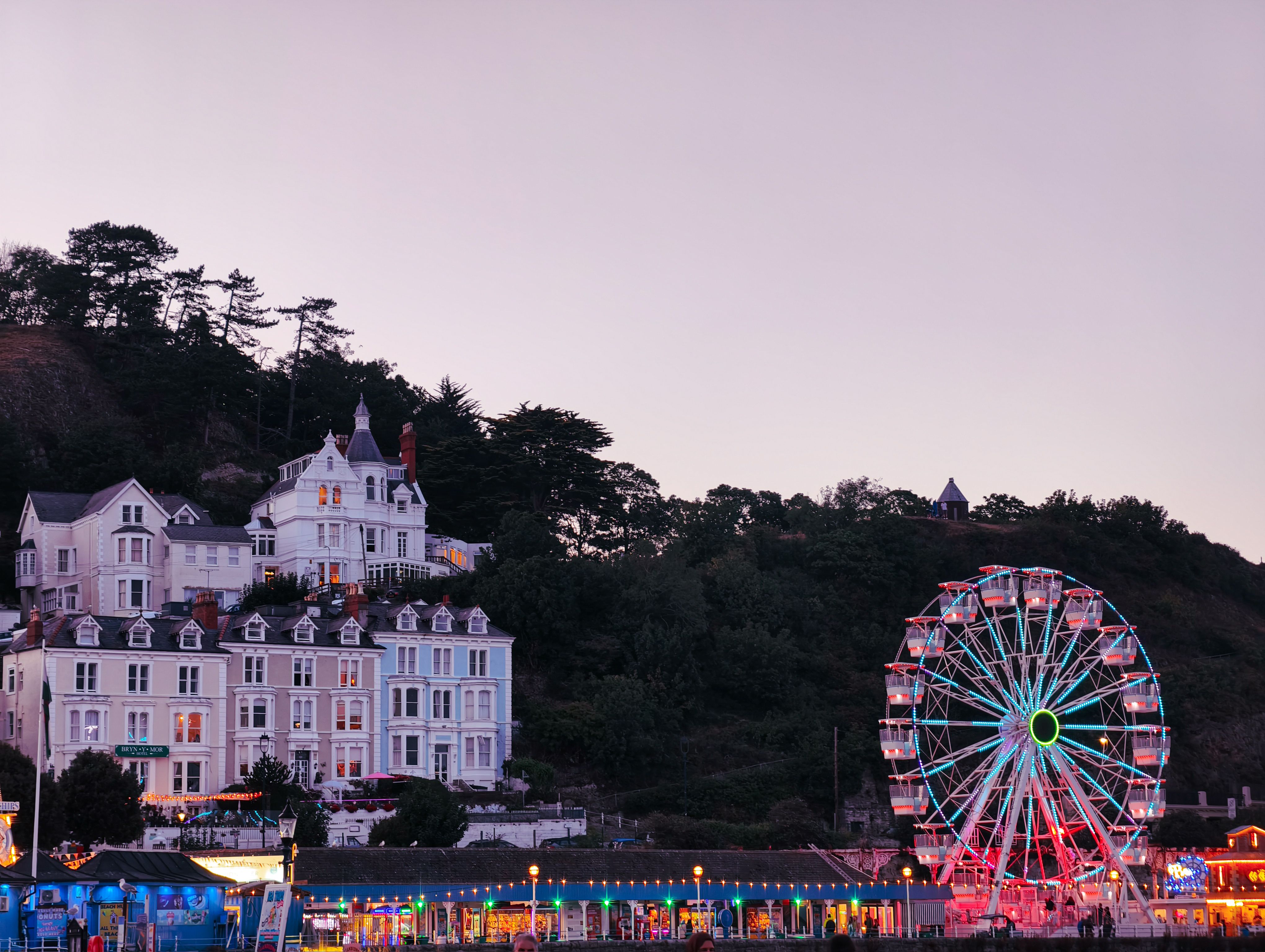
Llandudno retains more genuine Victorian seaside character than many comparable UK resorts. The promenade is authentically Victorian. Hotels and guest houses reflect period architecture. The town has not been completely overtaken by modern development — Victorian character remains the dominant aesthetic. This preservation of Victorian planning and architecture is part of Llandudno's appeal — it genuinely feels like a 19th-century seaside resort, which is increasingly rare in the UK.
This Victorian character extends to attractions (the pier, the tram, various entertainment venues), to the cultural tone of the town, and to the experience of walking through Llandudno — it creates a distinctive atmosphere distinct from modern resorts.
Sweeping curve of sandy beach
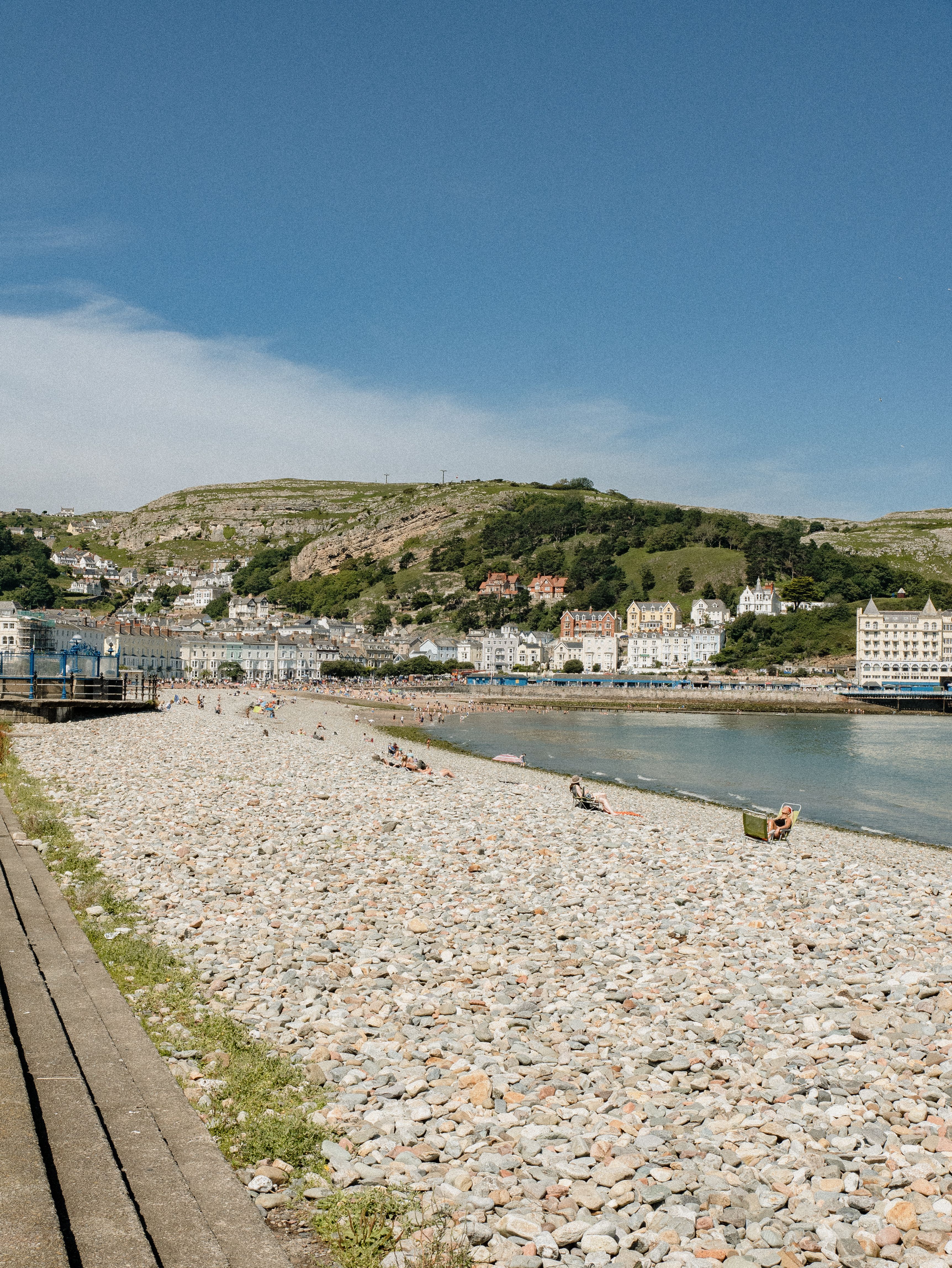
Llandudno Bay is a sweeping curve of sand and pebble beach backed by the Victorian promenade and town. The bay is visually impressive — its wide curve and the dramatic headlands (particularly the Great Orme) at either end create a distinctive seaside landscape. The beach is accessible and used for swimming, paddling and seaside recreation. The bay's scale and setting make it inherently attractive regardless of whether you're actively participating in beach activities.
The promenade is the heart of Llandudno's Victorian character. The promenade is designed for walking and lingering — pathways, sea walls, benches, views. It's genuine Victorian infrastructure designed for seaside leisure and remains used for exactly that purpose. Walking the promenade is a key Llandudno experience.
Historic seaside pier with traditional character
Llandudno Pier is a Victorian pier extending into the bay from the town. The pier is a working attraction with amusement arcades, entertainment venues and various rides and games — traditional seaside pier culture. The pier is actively used by visitors and locals and remains a significant Llandudno attraction.
The pier combines genuine Victorian structure (dating from the 19th century) with contemporary attractions and entertainment. Walking the pier, experiencing the sea from its extent into the bay, and engaging with the various entertainment and amusement options available is a quintessential Llandudno seaside resort experience. The pier is particularly active during summer season and weekends.
Limestone headland rising from the sea
The Great Orme is a limestone headland rising above the sea on the western side of Llandudno. The headland is roughly 200 metres tall and visually distinctive — it dominates views from much of Llandudno and from the surrounding area. The Great Orme is a geographical feature, a geological formation and a major tourist attraction.
The Great Orme is protected for its landscape, geology and wildlife, with parts designated for nature conservation. The top of the Great Orme offers views across Llandudno Bay and the surrounding North Wales coast. The headland supports various wildlife and vegetation. The geological story is interesting — limestone formation, weathering and erosion creating the dramatic headland shape.
Great Orme Tramway and cable car
The Great Orme Tramway is a historic cable-hauled street tramway that first opened in 1902 and climbs the headland in two sections. The tram journey itself is an experience — the engineering is genuinely historic and the climb offers expanding views across Llandudno Bay.
A separate aerial cable car also operates seasonally, subject to weather and current operating arrangements. Check official information before planning around either attraction.
Great Orme attractions and walking
The summit of the Great Orme offers attractions including a visitor centre, shops and cafes. Walking trails circle the headland offering various scenic routes. The top of the headland offers panoramic views. The Great Orme is also accessible to walkers — various paths lead up the headland from different starting points for those preferring to walk rather than use the tram.
The Great Orme supports a community of wild goats that are distinctive to the headland. These feral goats live on the slopes and summits and are part of the Great Orme's character. The wildlife viewing, the walking and the views combine to make the Great Orme a major Llandudno experience.
Ancient copper mining heritage
The Great Orme has a significant mining history. The Great Orme contains extensive evidence of prehistoric copper mining, with later mining activity also forming part of the headland's history. The Great Orme Mines attraction interprets this archaeology and allows visitors to learn more about the ancient workings. Check current opening arrangements before visiting.
The Great Orme Mines are an important archaeological site for understanding prehistoric copper extraction in Britain. For anyone interested in archaeology, industrial history or the relationship between geological resources and human activity, the mines provide meaningful context to the Great Orme beyond its scenic appeal.
The Llandudno connection
Llandudno has a genuine connection to Lewis Carroll's Alice's Adventures in Wonderland. Alice Liddell, who inspired the character of Alice, holidayed in Llandudno with her family.
However, it's important to be clear about the nature of this connection. While Alice Liddell visited Llandudno, the novel itself was not written in Llandudno. The connection is genuine but sometimes overstated in tourism marketing. The town has developed a number of Alice-themed references around this association, but the connection is sometimes overstated in tourism storytelling.
Llandudno's Alice attractions and legacy
Llandudno has incorporated its Alice heritage into its tourism and cultural identity. Various locations feature Alice references and the town celebrates the connection appropriately. For fans of Lewis Carroll or Alice in Wonderland, Llandudno offers a genuine connection to the book's inspiration, even if the literary creation itself occurred elsewhere.
Sandy and pebbly coastline
Llandudno's main beach is Llandudno Bay — a substantial sandy/pebbly beach. The beach is used for traditional seaside recreation, but sea conditions vary, so check local safety information before swimming. The beach atmosphere is traditional seaside resort — families, swimmers, beach activities, deck chairs. The wider Llandudno coastline also includes West Shore and rocky sections around the Great Orme.
The coastline around Llandudno offers varied scenic interest. The bay itself is sweeping and impressive. The Great Orme headland is dramatic. Rocky coves and cliffs add variety. The landscape rewards walking and exploration beyond just the main beach.
Llandudno as a North Wales base
Llandudno's coastal location makes it a good base for exploring North Wales. Several significant attractions and destinations are within reasonable driving distance.
Conwy: The medieval castle town of Conwy is close to Llandudno and works well as a separate visit. Conwy Castle is one of Wales's most significant medieval fortifications. The town retains medieval walls and character. Conwy works as a day trip from Llandudno or a complementary visit during a North Wales stay.
Snowdonia (Eryri): Eryri (Snowdonia) National Park is accessible from Llandudno, though journey times vary considerably depending on which part of the park you are visiting. Eryri offers walking, mountain scenery and outdoor activities. Mount Snowdon itself (Snowdon/Yr Wyddfa) is the highest peak in Wales. Routes into different parts of Eryri vary, so plan according to the area you want to visit.
Anglesey: The island of Anglesey lies across the Menai Strait and can be combined with a wider North Wales trip. Anglesey is a quieter countryside destination with coastal scenery, beaches and rural character.
Colwyn Bay: A smaller coastal town east of Llandudno with its own seaside character.
Book Llandudno experiences
Attractions, tours and activities across Llandudno and North Wales.
Disclosure: If you book through these links we may earn a small commission at no extra cost to you.
Explore Llandudno and North Wales with TourRadar
If you'd prefer to explore Llandudno and North Wales as part of a guided tour, TourRadar has options ranging from focused Llandudno/coastal explorations to multi-day North Wales tours including Snowdonia and other attractions.
Disclosure: Affiliate link — we may earn a small commission if you book.
One day in Llandudno
Morning: Explore the promenade and town centre. Experience the Victorian architecture and seaside character. Walk or drive along the bay for orientation.
Midday: Have lunch at a seaside cafe or restaurant. Visit Llandudno Pier if interested in traditional seaside entertainment.
Afternoon: Take the Great Orme Tramway to the summit. Explore the Great Orme Visitor Centre, walk trails and enjoy views across North Wales. Allow enough time for the journey, summit area and any walking you choose to do.
Evening: Return to town. Dinner at a local restaurant. Evening stroll along the promenade as light changes.
Two or three days in Llandudno
With more time, you can explore the town more thoroughly, visit attractions more leisurely, day trip to nearby Conwy or venture into Eryri (Snowdonia). Two-three days allows proper engagement with Llandudno's Victorian character, Great Orme exploration, beach time, and day trips to North Wales attractions. The combination of seaside resort experience with access to mountains and countryside becomes clear across multiple days.
Minimum: A day trip works for visiting Llandudno's main attractions — promenade, pier, Great Orme tramway. It's rushed but captures the essential experience.
Ideal: One night (two days) in Llandudno lets you explore the town character properly, ride the tram, walk the beaches and promenade, and potentially make a day trip to Conwy or toward Snowdonia. Two days allows for less rushing and better engagement.
Extended: Two nights or more in Llandudno lets you explore thoroughly, spend extended time on the Great Orme, day trip to multiple nearby attractions (Conwy, Eryri (Snowdonia), Anglesey), enjoy the town without constant activity, and genuinely experience Llandudno as a destination rather than a quick stop.
Llandudno by season
Spring (March-May): Pleasant weather, flowers blooming, fewer crowds than summer. Good time for comfortable exploration without peak season busyness.
Summer (June-August): Typically one of the busier periods, particularly during school holidays. Coastal weather can still change quickly, so pack layers and waterproofs.
Autumn (September-October): Often quieter than midsummer, with cooler conditions and fewer peak-season visitors.
Winter (November-February): Cooler, wetter and windier conditions are more likely, and some seasonal attractions may not operate. Check opening arrangements before travelling.
Transport options
By train: Llandudno has a railway station. Trains connect to surrounding towns and to London. Journey times vary depending on origin but trains offer direct access to the town centre.
By car: Llandudno is accessible via major roads from surrounding areas. Parking is available in the town (car parks and street parking) though can be expensive and tight in peak season. Having a car offers flexibility for exploring North Wales beyond Llandudno.
By bus: Coastal bus services connect Llandudno to other North Wales destinations. Slower than car but possible without self-driving.
By air: For visitors arriving by air, Manchester and Liverpool are among the larger airports used for onward travel to North Wales. Check current rail and road connections when planning.
Transport within the town and region
On foot: Central Llandudno and the promenade are walkable. Most attractions within the town are accessible on foot or short bus rides. Walking the promenade and exploring the town on foot is part of the Llandudno experience.
Buses: Local buses connect different areas of town and to nearby attractions. Local bus services can be useful for nearby journeys; check current routes and timetables.
Great Orme Tramway: Historic cable-hauled tramway up the Great Orme. Operating dates and services are seasonal, so check the official timetable before travelling.
Car rental: Useful for day trips to Conwy, Eryri (Snowdonia) and Anglesey. If driving to attractions around North Wales, check parking arrangements in advance, especially during busy periods.
Taxis: Available for point-to-point travel within town or to nearby attractions.
Find your Llandudno accommodation
Hotels, guest houses and apartments across Llandudno and the North Wales coast.
Disclosure: If you book through these links we may earn a small commission at no extra cost to you.
Choosing where to stay
Seafront hotels: Hotels directly on the promenade or beachfront offer easy access to the beach and promenade atmosphere. Higher prices. Seaside views and proximity to attractions are benefits.
Guest houses and smaller hotels: Scattered throughout town offering local character and often better value than large seafront hotels. Slightly less convenient for beach access but still within walking distance.
Town centre: Accommodation in Llandudno's town centre offers good access to restaurants, shops and attractions. Quieter than seafront but still central to town character.
Budget: Accommodation prices vary by property, season and demand. Booking ahead is sensible for busy summer dates and major events.
Eating in Llandudno
Traditional seaside dining: Fish and chips, ice cream and seaside snacks are available at various stands. Classic seaside resort food culture.
Seafood restaurants: Seafood and fish dishes are available at a range of restaurants around the town.
Traditional pubs: Pubs around town offer casual meals and drinks; menus and opening hours vary.
Restaurants: Various restaurants exist ranging from casual cafes to more formal dining. Cuisine range varies — Welsh specialities, traditional British, international options all available.
Cafes: Numerous cafes along the promenade and in town offering tea, coffee and light meals with seaside views.
Weather and what to expect
Llandudno has a maritime climate and conditions can change quickly on the coast and Great Orme. Wind and rain are possible at any time of year, so layers and a waterproof are useful.
Money and costs
Llandudno uses British Pounds Sterling (£). Costs vary by season and by the attractions, transport, food and accommodation you choose. Check current admission charges and fares when planning.
Llandudno packing essentials
Llandudno involves beach/seaside time and potentially Great Orme walking. Layering for variable coastal weather is essential.
Promenade walking and Great Orme exploration need supportive shoes. The tramway ride is easy but walking the headland needs good shoes.
Welsh coastal weather is changeable. A quality waterproof for rain is essential. Compact, actually-wearable designs are best.
Variable temperatures and coastal wind mean layers are crucial. Thermal layer, sweater/fleece, and windproof shell let you adjust.
If planning beach time or paddling. Sea temperatures can be cool. Check local conditions and available facilities before planning a swim.
Llandudno Bay, the Great Orme and Victorian architecture are visually engaging. Photography opportunities are abundant.
Hands-free bag for essentials while exploring. Useful for carrying layers, water and camera.
Common questions
Llandudno FAQ
Ready to explore Llandudno?
Llandudno combines Victorian resort heritage, a long promenade and pier with the dramatic landscape of the Great Orme. Its Alice Liddell connection adds another layer of history, while nearby Conwy and the wider North Wales landscape make it a useful base for exploring the region.