Cardiff —
the Welsh capital where history, culture and waterfront beauty converge
Cardiff is the capital of Wales — a city where Welsh identity and contemporary urban energy combine. The dramatic medieval Cardiff Castle sits at the heart of the city. Cardiff Bay, once an industrial dock, has been transformed into a vibrant waterfront with restaurants, attractions and cultural venues. The city's character is distinctly Welsh — Welsh language is visible, Welsh rugby culture runs deep, and Welsh heritage pervades the city's museums and cultural institutions. We visited Cardiff as part of our travels around Wales and found a city that rewards exploration with a combination of historical significance, cultural richness and genuine Welsh character.
We visited Cardiff as part of our travels around Wales. As the Welsh capital, it makes a natural starting point for exploring South Wales, with Welsh language, culture and national institutions giving the city a distinct identity.
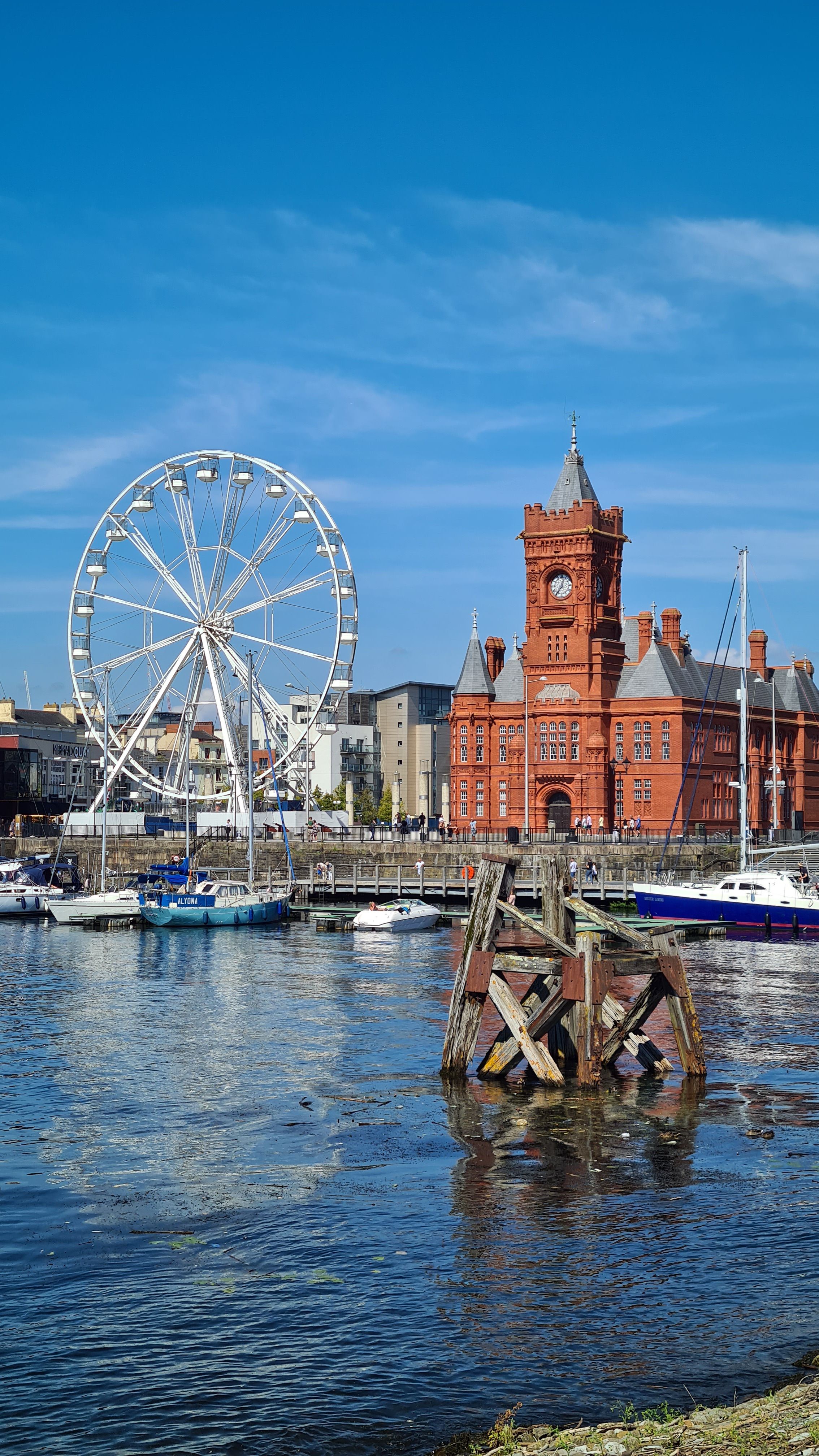
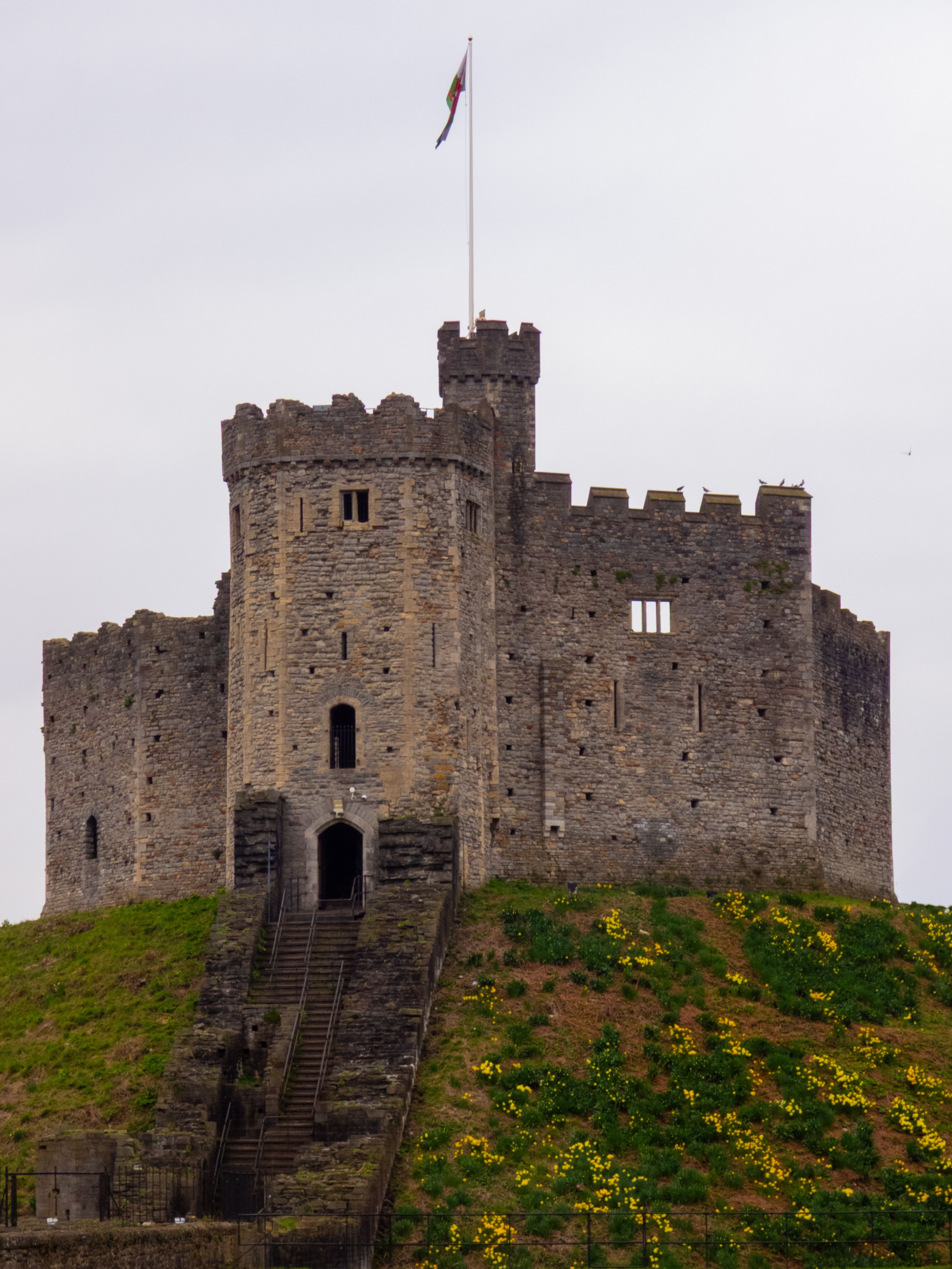
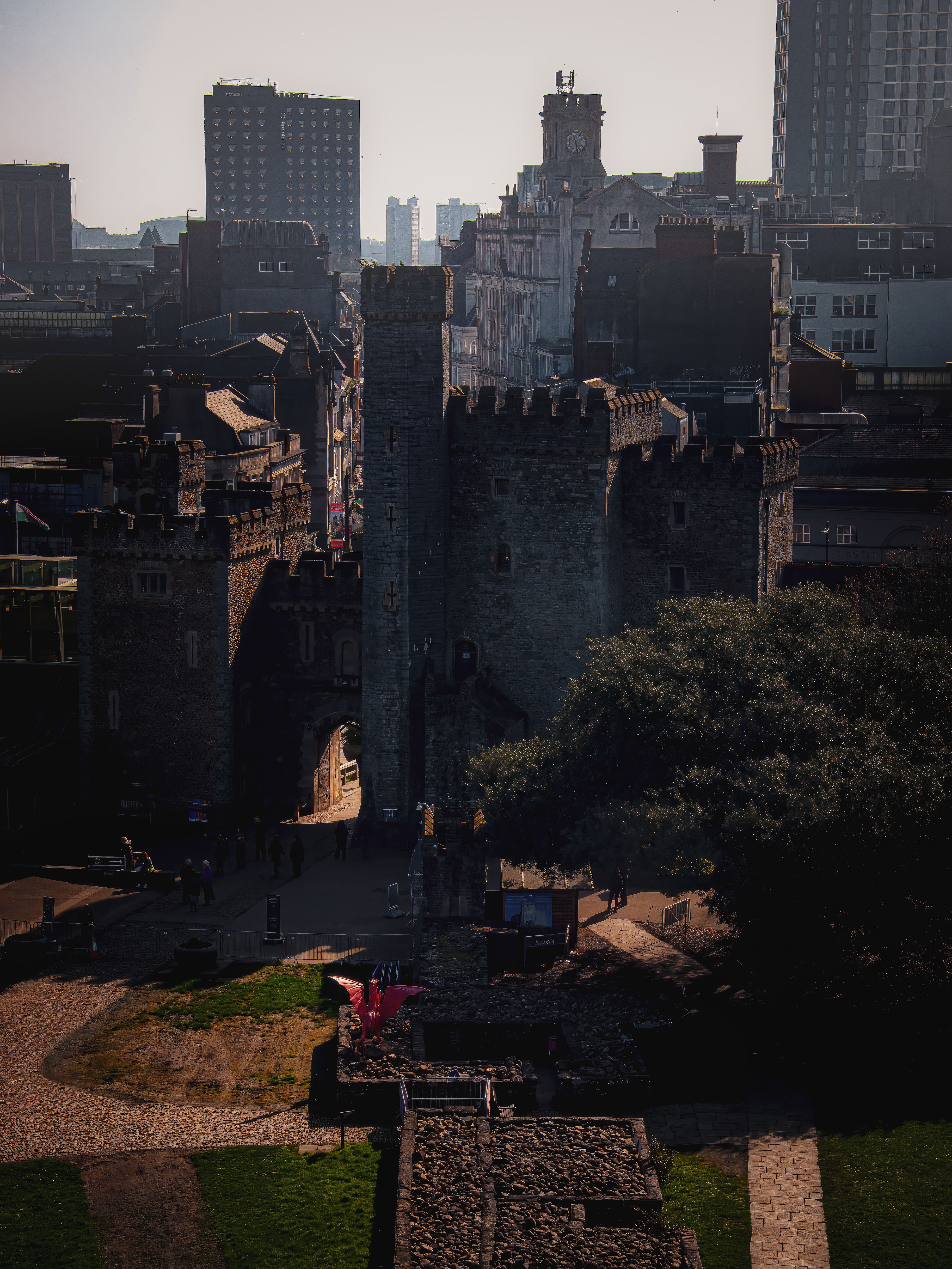
Cardiff works as a day visit or as a longer base for exploring South Wales. Cardiff Castle, the Bay, museums, shopping arcades and parks are among the city's main attractions, combining historic layers with a modern capital-city feel.
From castle settlement to modern capital
Cardiff's history spans centuries. The medieval castle was founded in the 11th century on the site of a Roman settlement. For centuries it remained a regional stronghold without major urban development. The real transformation came in the 19th century when the development of the coal industry in South Wales led to rapid expansion. Cardiff evolved from a modest town into a major port city as coal was shipped worldwide. The wealth from coal funded Victorian and Edwardian development that still characterises much of central Cardiff.
This history is visible in the architecture — Victorian terraced houses, Edwardian shopping arcades, grand public buildings — that were funded by coal wealth. The docks were central to the city's growth and prosperity. Modern Cardiff has moved beyond coal dependence to develop as a contemporary capital city with cultural institutions, business, education and tourism.
A castle within the city
Cardiff Castle is the city's most significant historical monument. The medieval castle sits within extensive grounds in the heart of Cardiff — a unique situation where a historic fortress occupies central urban space rather than sitting isolated in countryside. The castle has been significantly developed over the centuries, particularly during the Victorian period when extensive additions were made to the original medieval keep.
The castle combines authentic medieval architecture with Victorian reconstructions and additions — a complex layering of history that reflects how the building has been adapted and reinterpreted across centuries. The result is a castle that is both genuinely historic and a product of Victorian romanticism about medieval architecture.
What to see at the castle
The keep: The original medieval stronghold. The structure dates to the 11th century and represents genuine medieval military architecture — thick walls, narrow windows, compact design.
Victorian additions: During the 19th century, architects added extensive new buildings and reconstructions, creating ornate Victorian interiors and elaborate decorative schemes. The contrast between medieval fortress and Victorian fantasy is stark and interesting.
The grounds: The castle sits within extensive parkland within the city. The grounds are pleasant to walk and the contrast between fortress and urban park creates an unusual atmosphere.
Exhibitions and tours: The castle hosts exhibitions about Cardiff's history and the castle's development. Guided tours provide interpretation and context.
From industrial dock to vibrant waterfront
Cardiff Bay is one of the city's major regeneration areas. Once the heart of Cardiff's coal export industry — a working dockyard filled with ships and industrial activity — the Bay has been comprehensively regenerated. The docks remain but are now surrounded by restaurants, bars, cafes, cultural venues, and contemporary development. The historic remains of the industrial era — Victorian lock gates, period buildings — sit alongside modern architecture.
Today the Bay is an active waterfront district. It's not a museum to the past but a living waterfront where people come to eat, drink, walk and enjoy the environment. The combination of historic industrial elements with contemporary vitality creates distinctive character.
What's at the Bay
Millennium Centre: A cultural venue hosting theatre, music and events. Contemporary building that's become iconic in Cardiff.
National Museum Cardiff (and annexes): Museums and galleries focused on Welsh art, natural history and culture.
Restaurants and cafes: The waterfront is ringed with dining options. Good for casual meals or more elaborate dining.
Water tours and activities: Various boat trips and water-based activities depart from the Bay.
Water Tower: A Victorian industrial landmark that's been repurposed. The views from the top offer perspective on the Bay and surroundings.
Walking: The waterfront is genuinely pleasant for walking. The combination of architecture, water and activity is engaging.
Rugby in the Welsh DNA
Rugby has a major place in Welsh sporting culture. The Principality Stadium (formerly the Millennium Stadium) is the national rugby stadium and sits in central Cardiff. International matches attract massive crowds and dominate the city's atmosphere. For many supporters, rugby is closely tied to Welsh identity and national occasions.
Even if you're not attending a match, the stadium's presence and Cardiff's rugby culture are visible throughout the city. On major match days, rugby is especially visible across the city centre and around the stadium.
Experiencing rugby culture in Cardiff
If you're visiting on a major match day, Cardiff can become especially lively around the city centre and stadium. The city fills with supporters wearing colours, pubs overflow, and there's genuine communal energy. It's a unique experience of how sport connects to identity.
The stadium sometimes offers tours on non-match days. The museum within the stadium explores Welsh rugby history. Even without attending a match, understanding rugby's place in Welsh culture adds depth to your Cardiff experience.
Architectural gems and shopping history
Cardiff's city centre is ringed with Victorian and Edwardian covered shopping arcades — passages with shopfronts on both sides, roofed to protect shoppers from weather. These arcades are unique architectural features representing late-19th and early-20th century retail design. They're genuinely lovely — the roofing creates distinct light and atmosphere, the architecture is ornate and detailed, and the mix of independent shops and cafes creates character.
Exploring the arcades is one of Cardiff's pleasures. They're not museum pieces but active shopping and socialising spaces. The combination of historic architecture with contemporary retail and cafe culture creates something distinctive. Major arcades include Royal Arcade, Morgan Arcade and Castle Arcade among others.
National and cultural institutions
National Museum Cardiff: Art and natural history museum with strong focus on Welsh culture, landscape and heritage. Well-curated and genuinely interesting for understanding Wales.
Welsh Parliament Building: The Senedd (Welsh Parliament) building at the Bay is architecturally striking and sometimes open for visits. Understanding Welsh self-government and political institutions adds context to Cardiff as a capital.
St John the Baptist Church: A late-medieval church in the city centre. Architecturally impressive and represents Cardiff's pre-industrial heritage.
Museum of Cardiff: Focused on the city's specific history from medieval times to present. Useful for understanding Cardiff's development and transformation.
Welsh traditions and cultural venues: Various smaller museums and galleries focused on Welsh arts, crafts and traditions.
Urban green in the city centre
Cardiff has substantial green space within and adjacent to the city centre. Bute Park, adjacent to the Castle, is the most prominent — a large urban park with woodland, fields and riverside walks. The park is genuinely pleasant and used by locals for exercise, socialising and relaxation.
Walks along the River Taff running through the city are pleasant. Parks and green spaces are well-maintained and accessible. They offer respite from urban bustle and connect Cardiff's urban environment to natural landscape.
Book Cardiff experiences
Castle tours, waterfront activities, museums and experiences across Cardiff.
Disclosure: If you book through these links we may earn a small commission at no extra cost to you.
Explore Wales with TourRadar
If you'd prefer to explore Cardiff and wider Wales as part of a guided tour, TourRadar has options ranging from city-focused tours to longer Wales explorations that include Cardiff alongside other Welsh destinations.
Disclosure: Affiliate link — we may earn a small commission if you book.
One day in Cardiff
Morning: Arrive in Cardiff and head to Cardiff Castle. The grounds are pleasant for walking.
Midday: Walk through the city centre, exploring the Victorian shopping arcades. Have lunch in one of the arcade cafes or restaurants. The architecture itself is worth noticing.
Afternoon: Head to Cardiff Bay. Walk the waterfront, explore the Millennium Centre or museums depending on your interests. The water and architecture are visually engaging.
Evening: Have dinner at one of the Bay restaurants with water views. Walk back through the city centre or explore Bute Park if time permits.
Two or three days in Cardiff
With more time, you can explore the Castle and Bay thoroughly, visit multiple museums, walk more extensively around parks and green spaces, attend a rugby match if timing aligns, explore the full range of shopping arcades and neighbourhoods, and experience Cardiff's cafe and restaurant culture more deeply. A longer stay lets you appreciate Cardiff as an actual city where people live and work rather than just a tourist destination.
Minimum: A half-day works for visiting the Castle and a quick walk around the city centre and Bay. It's rushed but possible if you're passing through.
Ideal: One full day in Cardiff lets you visit the Castle, explore the shopping arcades, walk the Bay, visit at least one museum and experience the city without constant rushing. A day feels satisfying and non-rushed.
Extended: Two nights or more in Cardiff lets you explore deeply, visit multiple attractions, experience the cafe and restaurant culture, walk parks and green spaces, and genuinely experience Cardiff as a capital city rather than just hitting tourist sites.
Cardiff by season
Spring (March-May): Pleasant weather, flowers blooming, crowds manageable. Good time to visit with comfortable temperatures and spring atmosphere.
Summer (June-August): Typically the warmest and one of the busier periods. Outdoor spaces and events can draw larger crowds, so booking ahead can be useful.
Autumn (September-October): Often a pleasant time for a city break, with cooler temperatures and fewer summer crowds. Rugby fixtures may also shape the atmosphere on selected weekends.
Winter (November-February): Cooler, darker and often wetter, but generally quieter outside major events. Check seasonal opening times for attractions.
Transport to Cardiff
By train: Cardiff Central station is the main hub. Direct trains run from London Paddington (approximately 2 hours), Manchester, Birmingham and other UK cities. The station is in the city centre.
By bus: Long-distance coaches connect Cardiff to most UK cities. Slower than trains but typically cheaper.
By car: Cardiff is accessible by car via the M4 motorway from London and the south. Parking in the city centre is available (car parks and street parking) but can be expensive and tight. Consider using public transport if possible.
By plane: Cardiff Airport lies southwest of the city. Routes change over time, so check current destinations and ground-transport options before travelling.
Transport within the city
On foot: Central Cardiff is walkable. The main attractions — Castle, shopping arcades, city centre — are within easy walking distance. Cardiff Bay is farther south of the city centre and can be reached on foot or by public transport.
Buses: Cardiff has a comprehensive bus network. Local buses serve the city and Bay; check current routes and fares before travelling.
Taxi: Taxis are available. Useful for evening trips or when carrying bags but expensive compared to buses.
Cycling: Cardiff is reasonably cycle-friendly with bike paths in many areas. Bike hire is available if you want to explore by bicycle.
Take a virtual drive around Cardiff
Want to explore Cardiff before your trip — or revisit it from the sofa? Drive From Home lets you virtually drive around the city and get a feel for Cardiff's streets and surroundings.
Find your Cardiff accommodation
Hotels, guesthouses and apartments across central Cardiff and the Bay.
Disclosure: If you book through these links we may earn a small commission at no extra cost to you.
Choosing where to stay
City centre: Most convenient for exploring. Close to Castle, shopping arcades, restaurants and nightlife. Can be busier and noisier than quieter areas.
Cardiff Bay: Waterfront location with restaurants and bars nearby. Quiet and pleasant. Roughly 15-20 minute journey to city centre.
Other neighbourhoods: Various other areas offer residential character and quieter accommodation. Slightly less convenient for tourist attractions but often better value.
Budget: Cardiff has accommodation at various price points. Peak season (summer and rugby matches) books up and prices rise. Off-season offers better value.
Eating in Cardiff
Welsh food: Welsh specialities like cawl (traditional stew), Welsh lamb, bara brith and Welsh cheese appear on menus. Seek out restaurants emphasising Welsh cuisine for genuinely local eating.
Restaurants and cafes: Cardiff has diverse dining — from casual cafes in the shopping arcades to more elaborate restaurants. The Bay in particular has numerous dining options with waterfront views.
Pubs: Traditional Welsh pubs serve real ale and pub food. Good for experiencing local atmosphere, especially during rugby matches when the energy is palpable.
Markets and street food: Cardiff Market in the city centre has food stalls and casual dining alongside produce shopping.
Weather and what to expect
Cardiff weather is typical Welsh — changeable, often grey and potentially rainy, but rarely extreme. Spring and autumn are most pleasant. Summer can be warm. Winter is cold. The waterfront at the Bay can be windy, especially in winter. Layering and waterproof jackets are wise choices year-round.
Money and costs
Cardiff is moderately priced by UK standards. Attractions charge admission (Castle, museums). Public transport is reasonably priced. Food and dining varies depending on where you choose. Daily costs vary considerably depending on attractions, meals, events and accommodation, so check current prices when planning.
Cardiff packing essentials
Cardiff involves urban exploration and potentially waterfront walking. Comfortable shoes and layered clothing are essential.
You'll be walking city streets, castle grounds and waterfront. Good supportive shoes are essential.
Welsh weather is changeable. A compact waterproof helps for rain and is lightweight to carry.
A sweater or fleece for variable temperatures. Indoor attractions can be cool, outdoor areas may be windy.
Hands-free bag for carrying essentials while exploring. A small backpack works well for urban exploration.
Cardiff's architecture, castle, and waterfront are visually interesting. Photography opportunities are abundant.
Card payment is widespread but some smaller establishments prefer cash. Carry both.
Common questions
Cardiff FAQ
Ready to explore Cardiff?
Cardiff is where Wales comes to concentrate — the capital city where medieval history sits alongside contemporary culture, where rugby runs deep, where Welsh language and identity are visible, and where a waterfront transformation has created one of Britain's most distinctive urban spaces.