Causeway Coast —
dramatic Northern Irish coastline where natural wonders, filming locations and coastal beauty converge
The Causeway Coast is one of Northern Ireland's most visually distinctive regions — a stretch of coastline on the north coast featuring geological wonders, dramatic cliffs and striking landscapes. The Giant's Causeway is the region's most famous attraction — hexagonal basalt columns forming a UNESCO World Heritage Site and Area of Outstanding Natural Beauty. The region gained international recognition through Game of Thrones filming locations that use the landscape as a character in the show. We took a Game of Thrones tour along the Causeway Coast, visiting Dark Hedges (Kingsroad), Cushendun Caves, Ballintoy Harbour and the Giant's Causeway itself. We also drove ourselves around Northern Ireland and found the Causeway Coast's combination of natural geology, dramatic scenery and contemporary filming fame creates a destination where nature and popular culture intersect in distinctive ways.
We explored the Causeway Coast as part of our travels around Northern Ireland. We took a Game of Thrones tour that included the Dark Hedges, Cushendun Caves, Ballintoy Harbour and the Giant's Causeway. We also drove ourselves around Northern Ireland, which gave us the flexibility to see more of the wider region beyond the tour.
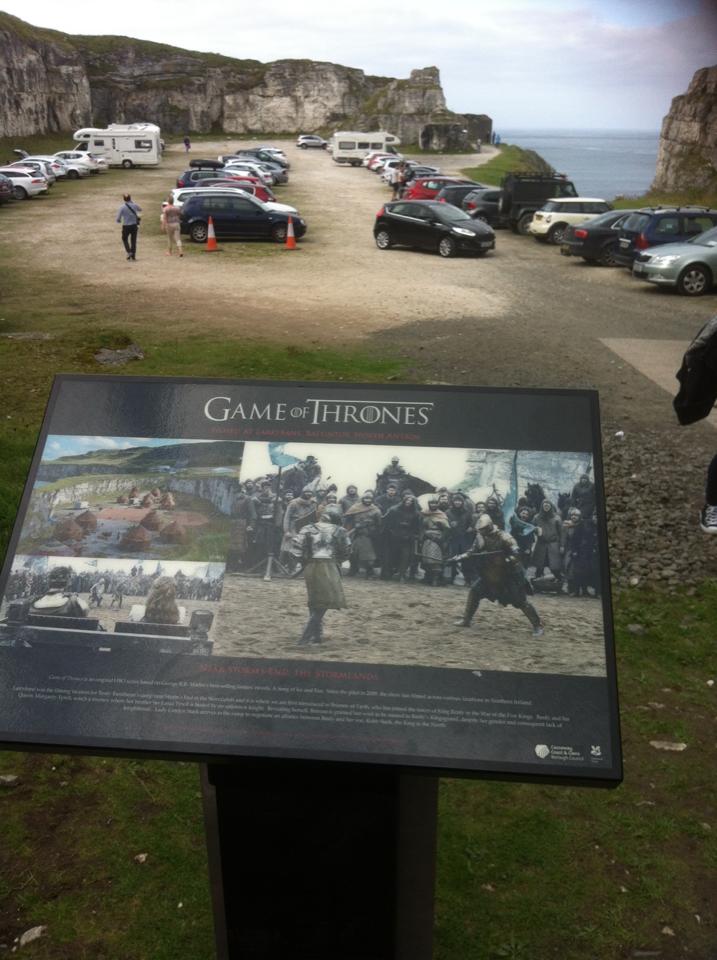
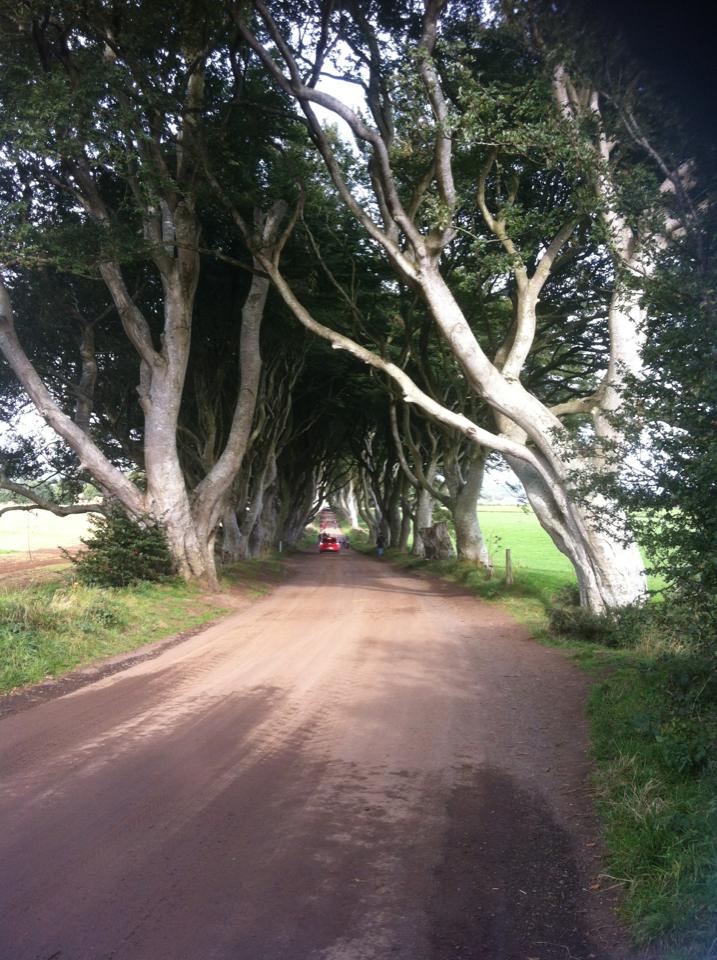
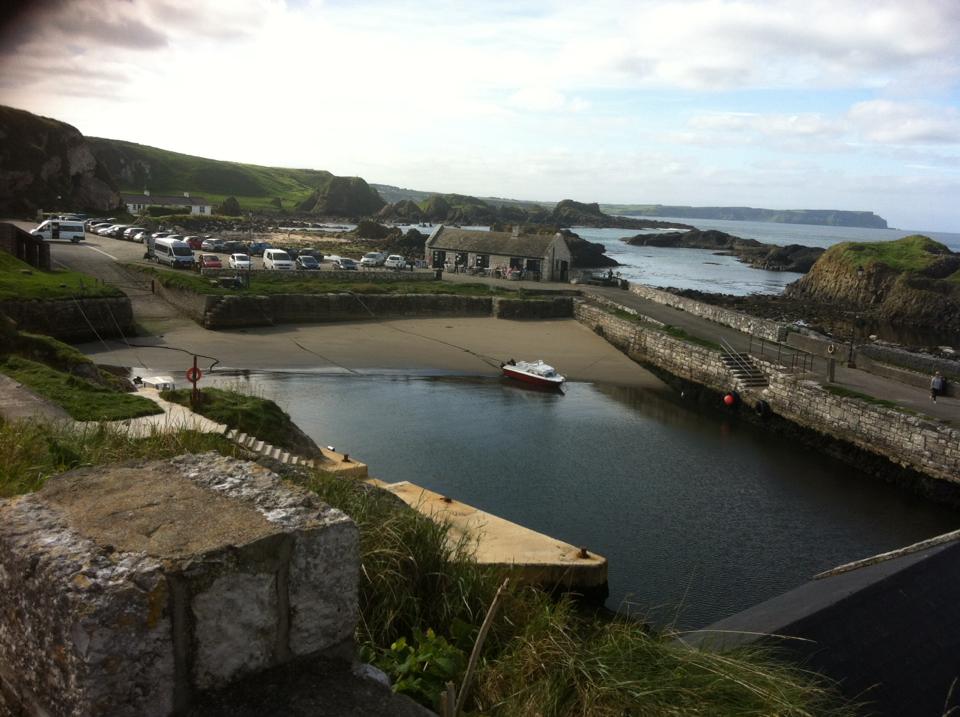
The Causeway Coast works as a day trip from Belfast (roughly 1-1.5 hours driving) or as a longer base for exploring the region. The combination of natural wonders (Giant's Causeway, dramatic cliffs, geological formations), cultural attractions (Game of Thrones locations), small villages and countryside makes the region worth extending beyond a quick visit if time permits.
Unique hexagonal basalt columns
The Giant's Causeway is Northern Ireland's most famous natural attraction and a UNESCO World Heritage Site. The site features roughly 40,000 hexagonal basalt columns that formed from ancient volcanic activity. The geological story is remarkable — around 60 million years ago, volcanic eruptions in Northern Ireland created lava flows that cooled and cracked into these distinctive hexagonal shapes. The resulting geometry is natural but appears almost artificially constructed — which led to the legendary stories about giants building a causeway across the Irish Sea.
The columns create a highly distinctive landscape, with naturally repeating geometric forms set directly against the coast.
Visiting the Giant's Causeway
Access and interpretation: The Giant's Causeway itself can be accessed on foot, while the nearby visitor centre offers interpretation and facilities. Access arrangements, parking and visitor-centre charges can change, so check current official information before travelling.
Difficulty and time: The basalt is uneven and can be slippery, particularly in wet weather. Choose footwear with good grip and allow as much time as you need depending on the route and conditions.
Photography: The Giant's Causeway is visually striking and rewards photography. The hexagonal columns photograph well, particularly with figures for scale. The coastal setting and dramatic landscape add to photogenic qualities.
A landscape as a character in the show
The Causeway Coast became internationally known through Game of Thrones filming. The dramatic landscape and various locations along the coast featured prominently in the show. Game of Thrones tours are widely available, taking visitors to specific filming locations and explaining which scenes were filmed where. The combination of the show's global popularity and the landscape's inherent visual interest has transformed the Causeway Coast into a tourism destination.
Whether you're a Game of Thrones fan or not, the tours provide value — they explain the landscape through the stories told there, guide you to visually interesting locations, and provide context about the region. Even without knowing Game of Thrones, the Causeway Coast's natural beauty stands on its own merit.
Kingsroad from Game of Thrones
Dark Hedges is a tunnel of mature beech trees lining a rural road near Armoy. The trees create a dramatic tunnel effect, particularly atmospheric in certain light conditions. The location is famous from Game of Thrones where scenes on Kingsroad were filmed using the tunnel as a backdrop. The tunnel has become one of Northern Ireland's most photographed locations.
The tree-lined road is visually distinctive even without the Game of Thrones connection. Visitor numbers can vary, so check current access and parking guidance before travelling.
Sea caves carved from red sandstone
Cushendun Caves are natural sea caves carved into red sandstone cliffs at Cushendun. The caves are genuine geological features created over millennia by sea erosion. The caves featured in Game of Thrones and have become a notable filming location, but their natural geology predates any contemporary fame by millions of years.
The caves are close to Cushendun village and are a popular stop on Game of Thrones and Causeway Coast routes. Conditions around coastal features can change, so follow local access and safety guidance.
Charming fishing village atmosphere
Ballintoy Harbour is a small harbour on the north Antrim coast and one of the region's better-known Game of Thrones filming locations. Its coastal setting also makes it worthwhile for visitors who are not following the series.
It works well as a stop on a wider Causeway Coast route. Access roads are narrow in places, so allow extra time and follow local parking guidance.
Impressive ruins on dramatic cliffs
Dunluce Castle is a medieval castle built on a dramatic headland along the Causeway Coast. The castle is now ruins but impressively situated — the remains sit on cliffs that drop dramatically to the sea. The location is visually stunning with the ruined castle framing the coastal landscape.
The castle has a complex history spanning centuries. At various periods it was a significant regional stronghold. The current ruins date from medieval times with later additions. The site offers exhibitions and interpretation. For visitors interested in medieval history and impressive scenic locations, Dunluce is worth visiting. The cliff-top setting is a major part of the attraction.
Dramatic cliffs and countryside
The Causeway Coast features dramatic coastal cliffs, moorland countryside and a distinctive landscape that combines geology with vegetation. The coast curves dramatically with cliffs rising from the sea. The hinterland features rural villages, farmland and moorland with open views.
The landscape rewards walking and exploration. Coastal paths offer dramatic views and good hiking opportunities. The countryside inland is quieter and less visited than coastal attractions but genuinely pleasant for driving and exploring small villages. Much of the wider coast remains rural, with small settlements between the main visitor attractions.
Dramatic suspension bridge on the coast
Carrick-a-Rede Rope Bridge links the mainland with the small island of Carrickarede and has its origins in the area's salmon-fishing tradition. The site is managed by the National Trust, and access to the bridge can depend on tickets, opening arrangements and weather conditions.
Even if you do not cross the bridge, the surrounding coastal scenery is a major part of the visit. Check current National Trust guidance before travelling, especially in poor weather.
Book Causeway Coast experiences
Tours, attractions and activities across the Causeway Coast.
Disclosure: If you book through these links we may earn a small commission at no extra cost to you.
Explore the Causeway Coast with TourRadar
If you'd prefer to explore the Causeway Coast as part of a guided tour, TourRadar has options ranging from Game of Thrones focused tours to broader Northern Ireland explorations that include the Causeway Coast alongside Belfast and other destinations.
Disclosure: Affiliate link — we may earn a small commission if you book.
One day from Belfast
Morning: Travel from Belfast to the north coast and start with the Giant's Causeway. Allow enough time for the coastal paths, basalt columns and any visitor-centre stop you want to include.
Midday: Have lunch at a casual cafe or restaurant in nearby Bushmills or a coastal village. Take a Game of Thrones tour if interested, or explore Dark Hedges independently.
Afternoon: Choose one or more additional stops such as the Dark Hedges, Cushendun Caves or Ballintoy Harbour depending on your route and available time.
Evening: Drive back to Belfast or stay overnight on the Causeway Coast if time permits. The drive back gives time to reflect on the landscape.
Two or three days on the Causeway Coast
With more time, you can explore comprehensively — visit Giant's Causeway thoroughly, take a Game of Thrones tour (or self-guide to filming locations), visit Dunluce Castle, explore Carrick-a-Rede Bridge, walk coastal paths, visit multiple small villages, experience Bushmills whiskey distillery if interested, and genuinely engage with the landscape beyond rushing between major attractions. Two-three days transforms the Causeway Coast from a day trip into a proper destination allowing deeper exploration and relaxation in rural Northern Irish character.
Minimum: A day trip from Belfast works. You have time for Giant's Causeway and one or two other attractions. It's rushed but captures the main experience.
Ideal: One night (two days) on the Causeway Coast lets you visit Giant's Causeway properly, take a Game of Thrones tour or explore multiple filming locations, visit secondary attractions like Dunluce Castle, and experience the region without constant rushing. A night in a coastal village adds value.
Extended: Two nights or more lets you explore thoroughly, do longer walks, visit all major attractions, experience the quieter villages and countryside, and genuinely engage with Northern Irish rural character beyond tourist attractions.
Causeway Coast by season
Spring (March-May): Pleasant weather, flowers blooming, fewer crowds than summer. Good time to visit with manageable tourism levels and comfortable temperatures.
Summer (June-August): Typically one of the busier periods, especially at the best-known attractions. Booking ahead can be useful where timed entry or parking applies.
Autumn (September-October): Can be a good time for coastal scenery and walking, with fewer summer visitors and cooler conditions.
Winter (November-February): Cooler, wetter and windier conditions are more likely, and some attractions or facilities may operate reduced hours. Check access before travelling.
Transport options
From Belfast: Many visitors reach the Causeway Coast from Belfast by car or organised tour. Driving yourself offers flexibility because the main attractions are spread across the wider region.
By bus: Public transport serves towns along the north coast, but reaching several dispersed attractions in one day can require careful planning. Check current Translink routes and timetables.
Tours from Belfast: Various tour companies operate from Belfast offering Game of Thrones tours and general Causeway Coast tours. Tours can be useful if you prefer not to self-drive and want commentary along the route. Pickup points and inclusions vary by operator.
Transport within the region
By car: Essential for exploring comprehensively. Attractions are spread across the coast and inland. Parking is available at major attractions though can fill during peak times. Self-driving offers flexibility to explore at your own pace and visit multiple locations in sequence.
Walking: The coastal landscape rewards walking. Various walking trails offer different lengths and difficulty levels. Coastal paths provide dramatic views. Most attractions have accessible walking areas.
Tours: Tours provide transport and expert interpretation. Game of Thrones tours in particular benefit from guides explaining filming locations and story context. Tour duration varies considerably by operator and itinerary.
Taxis: Availability can be more limited in rural areas, so pre-booking may be useful for point-to-point journeys.
Find your accommodation
Hotels, guesthouses and apartments across the Causeway Coast.
Disclosure: If you book through these links we may earn a small commission at no extra cost to you.
Choosing where to stay
Bushmills: Main town in the region with various accommodation and restaurants. Good base for exploring Causeway Coast. Home to Bushmills Distillery if interested in whiskey.
Ballycastle: Coastal town at the eastern end of the major attractions. Pleasant seaside setting. Good base for exploring the coast.
Coastal villages: Smaller villages like Cushendun, Ballintoy and Portballintrae offer quiet, authentic Northern Irish character. Less touristy than larger towns. Good for experiencing local life.
Belfast: If doing a day trip from Belfast, day-trip logistics work fine. Many visitors combine Belfast overnight with Causeway Coast day trip or overnight on the coast.
Budget: Accommodation is moderately priced. Peak summer season books up and prices rise. Off-season offers better value. Rural villages are often less expensive than larger towns.
Eating on the coast
Seafood: Coastal location means fresh seafood is available. Fish and chips, local shellfish and seafood restaurants are common. Quality varies but good options exist.
Traditional pubs: Rural pubs serve real ale and pub food. Good for experiencing local atmosphere and genuine Northern Irish hospitality.
Casual cafes: Small villages have simple cafes serving tea, coffee and light meals. Often informal and cheap but genuine local gathering places.
Restaurants: Various restaurants exist in towns like Bushmills and Ballycastle offering wider cuisine range. Quality and price vary.
Bushmills Distillery: The Old Bushmills Distillery is a major local attraction for visitors interested in whiskey. Tour and visitor arrangements can change, so check current official information.
Weather and what to expect
Causeway Coast weather is typical Northern Irish — changeable, often grey and potentially rainy, but rarely extreme. The coastal location means weather can be dynamic and windy. Spring and autumn are most pleasant. Summer can be warm. Winter is cold and wet. Layering and waterproof jackets are essential year-round. Coastal paths can be windy and muddy depending on recent weather.
Money and costs
The Causeway Coast uses British Pounds Sterling (£). Costs vary depending on transport, parking, attractions, tours, food and accommodation. Check current prices when planning.
Causeway Coast packing essentials
Causeway Coast involves coastal exploration, potentially climbing rocks and dramatic wind exposure. Sturdy shoes and waterproof gear are essential.
You'll be walking on uneven basalt rocks, cliffs and potentially muddy paths. Sturdy, supportive, grippy shoes are essential. Hiking boots ideal.
Irish weather is changeable and coastal wind adds to rainfall likelihood. Quality waterproof is essential. Bring a good one you'll actually wear.
Coastal wind can be relentless. A wind-resistant layer (not just soft fleece) protects from wind chill. Layering is crucial.
Multiple layers for variable temperatures. Start with thermal layer, add fleece, add windproof shell. You'll adjust as you walk.
The landscape is visually striking and weather can be wet. Protect your camera but bring it — the photography opportunities are excellent.
Hands-free bag for carrying layers, water, camera. Comfortable straps and water-resistant material are helpful.
Common questions
Causeway Coast FAQ
Ready to explore Causeway Coast?
The Causeway Coast brings together geology, coastal scenery and some of Northern Ireland's best-known Game of Thrones filming locations. Giant's Causeway, the Dark Hedges, Cushendun Caves and Ballintoy Harbour can all form part of a broader road trip along the north coast.