Iceland Travel Guide —
Golden Circle, South Coast & Reykjavík
Our first trip to Iceland took us around the Golden Circle, along the dramatic South Coast and through Reykjavík. We saw Gullfoss, Seljalandsfoss, Skógafoss and Reynisfjara, soaked in the Blue Lagoon and explored the capital on foot. This guide brings together the places we actually visited and the practical tips we'd use again.
From Rome to Reykjavík — two planets, one trip
Iceland is one of those countries that genuinely does not look real. The landscape is so dramatic, so varied and so otherworldly that at every turn you half expect to find a film crew. Volcanoes and glaciers side by side. Waterfalls thundering into canyons in every direction. Geysers erupting on schedule every few minutes. Black sand beaches where the Atlantic crashes against basalt columns as if the ocean is still trying to reshape the island. And over it all, a sky that changes mood every hour.
The geology of Iceland is the thing that hits you hardest. This is a country literally being pulled apart — the North American and Eurasian tectonic plates are separating at Þingvellir at about 2.5 centimetres per year, and you can walk in the rift valley between them. Standing there and thinking about what that means — the ground beneath you is the boundary between two continents — is one of those genuinely humbling travel experiences.
And then there is Reykjavík — a capital city of only about 130,000 people that somehow manages to be one of the most interesting, most colourful and most entertaining cities in Europe. The city tour guides are a phenomenon in themselves — full of Viking history, geothermal energy facts delivered with tremendous pride, banking crash stories told with remarkable good humour, references to elves at every corner and constant astonishment at how small the population is relative to the country's footprint on the world.
The Golden Circle — Iceland's unmissable day trip
The Golden Circle is the essential Iceland experience — a roughly 300km loop from Reykjavík that takes in three of the country's most extraordinary natural sites in a single day. Every visitor to Iceland does it and every visitor to Iceland should do it. It is that simple.
Þingvellir is where the North American and Eurasian tectonic plates meet — and slowly pull apart. The rift valley between them is visible as a dramatic crack in the landscape, and walking through it is one of the most extraordinary geological experiences available anywhere on earth. Þingvellir is also where the world's oldest parliament, the Alþingi, was established in 930 AD. History and geology in one extraordinary place.
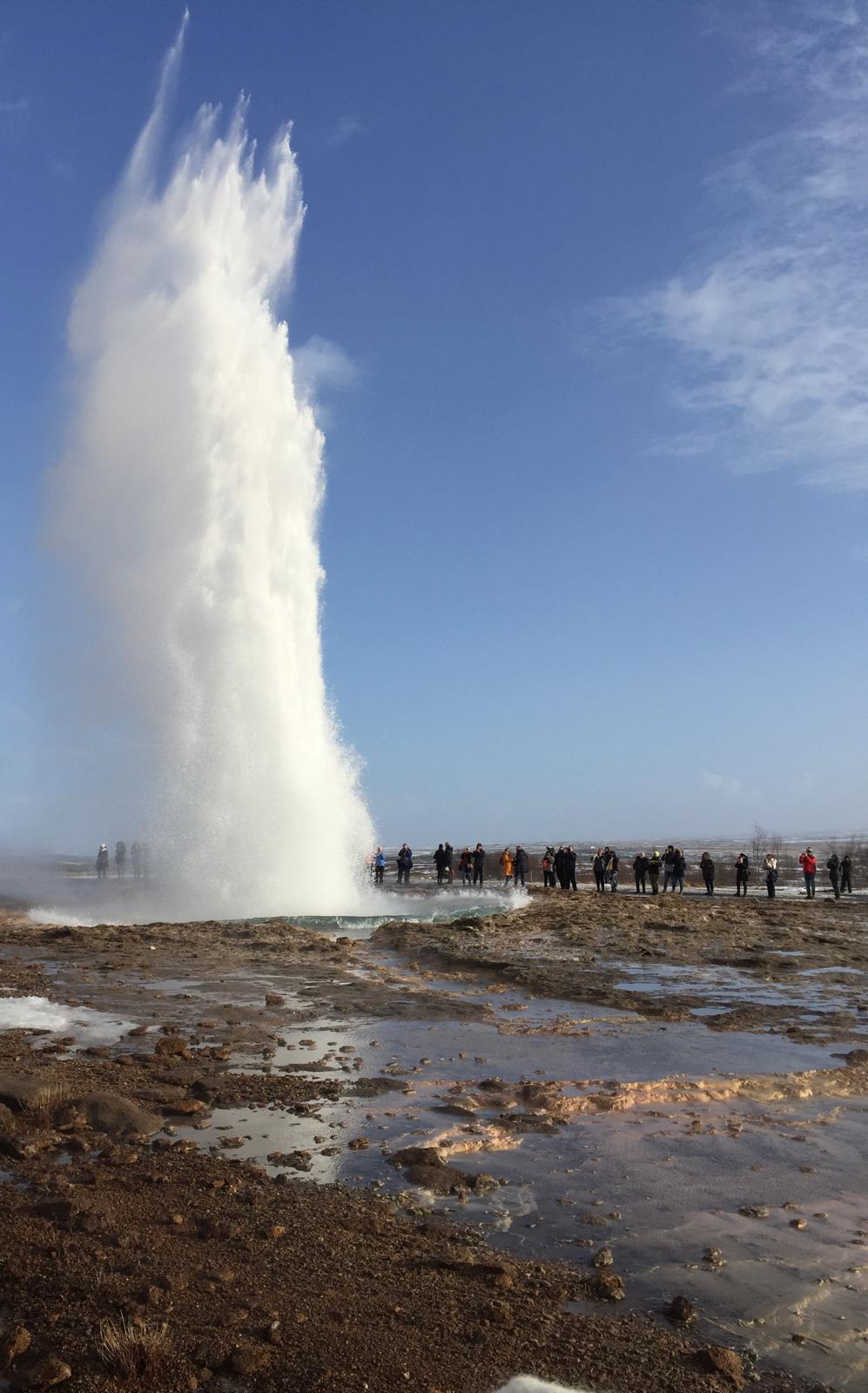
The Geysir geothermal area is a lunar landscape of bubbling hot springs, steaming vents and mineral-stained earth — and right in the middle of it, Strokkur erupts every five to ten minutes with a plume of boiling water that shoots ten to twenty metres into the sky. You stand around the geyser waiting, watching the water bubble and bulge in the pool, and then — with absolutely no warning — it explodes. Every single eruption gets a gasp from the crowd. You never quite get used to it.
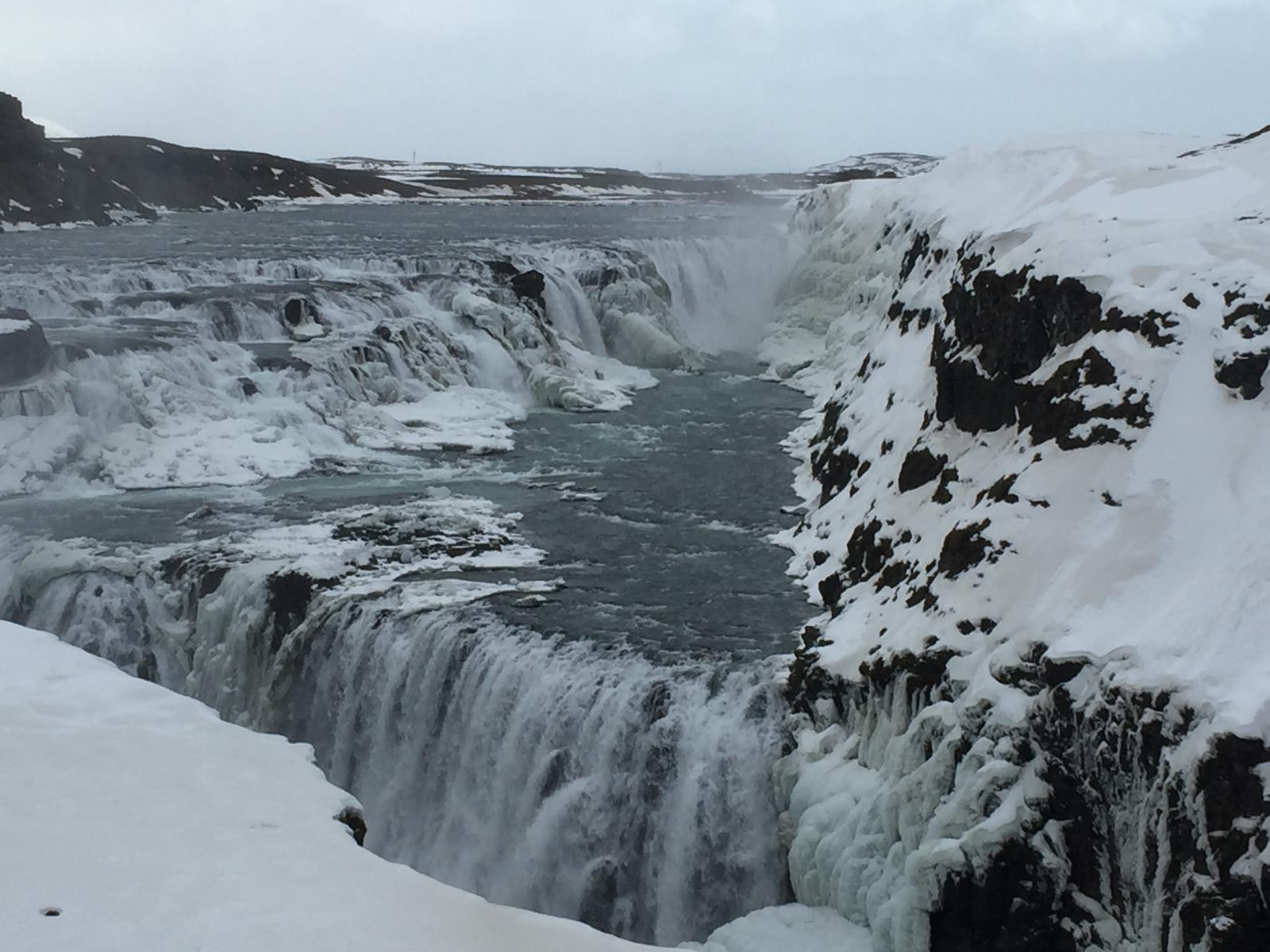
Gullfoss — the Golden Falls — is one of Iceland's most famous and most dramatic waterfalls. The Hvítá river drops in two stages into a canyon that seems to swallow the entire river whole. The volume of water, the noise, the spray that soaks you from fifty metres away and the sheer scale of the gorge make it genuinely awe-inspiring. On a sunny day the mist creates rainbows over the falls. In winter it is even more extraordinary, half-frozen at the edges with ice.
The South Coast — waterfalls, black sand and raw Atlantic drama
The South Coast of Iceland is where the landscape gets truly dramatic — a succession of extraordinary natural sights strung along the Ring Road, each one more spectacular than the last.
Seljalandsfoss is one of Iceland's most famous waterfalls — not just for its beauty but for the path that leads around and behind the curtain of falling water. Walking behind a waterfall is a genuinely extraordinary experience — the roar, the mist, the light filtering through the water above you. You will get soaked. Bring waterproofs. It is absolutely worth it.
Skógafoss is enormous — 25 metres wide and 60 metres tall — and it sits right beside the Ring Road, meaning you see it from the car and it immediately dominates everything around it. You can walk right up to the base and stand in the spray, or climb the steps beside the waterfall for views from the top. On sunny days the mist creates a permanent rainbow at the base. One of the most photogenic waterfalls in the world.
Reynisfjara is unlike any beach you have ever been to. The sand is jet black — volcanic basalt ground down by the ocean over millennia. The basalt columns rise from the shore in hexagonal formations that look almost geometric. The Atlantic crashes onto the shore with tremendous force. The whole scene has a wild, primeval atmosphere that is simultaneously beautiful and slightly unsettling. Never turn your back on the ocean at Reynisfjara — the sneaker waves here are genuinely dangerous.
The Blue Lagoon — Iceland's most iconic experience
The Blue Lagoon is one of those places that appears on every Iceland itinerary for a very good reason — it is extraordinary. The geothermal spa sits in a lava field near Keflavík, its milky turquoise water heated by Iceland's volcanic activity to a perfect bathing temperature year-round. Steam rises constantly from the surface. The surrounding lava landscape is stark and otherworldly. And floating in warm water while the cold Icelandic air bites at your face is one of the most memorable sensory experiences in all of travel.
The silica mud masks — applied directly from dispensers around the lagoon — are one of the great small pleasures of the Blue Lagoon experience. The in-water bar is a delight. And the whole setting — especially in winter, when you might be bathing under a sky chasing the Northern Lights — is something that stays with you for a very long time.
Book well in advance. The Blue Lagoon is enormously popular and sells out regularly — especially in peak season and around sunset, which is the most magical time to visit.
Reykjavík — the world's most northerly capital
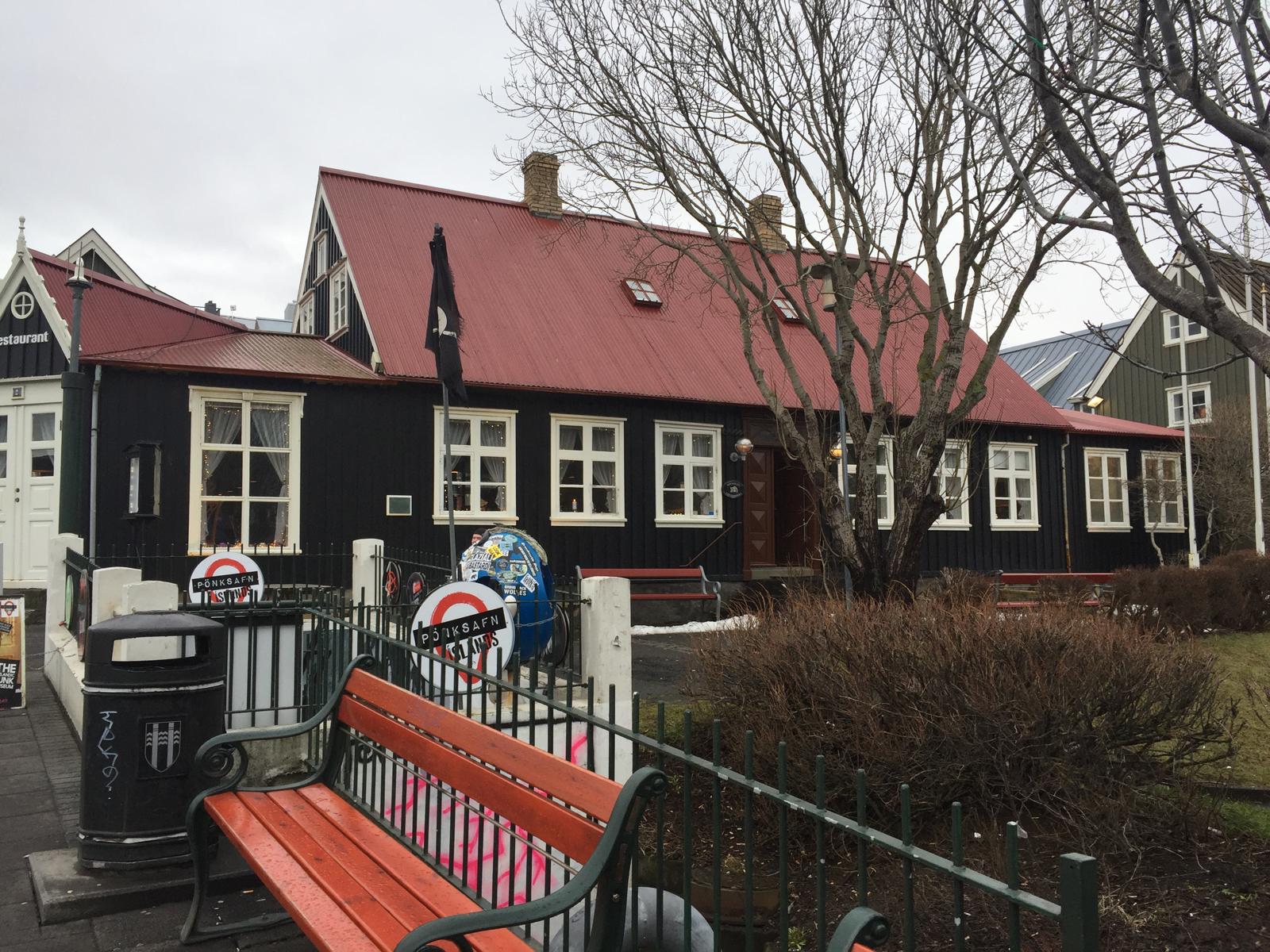
Reykjavík is small, colourful, completely charming and surprisingly full of things to see and do. The city tour guides are a genuine highlight — they deliver a brilliant mix of Viking history, geothermal energy pride, honest banking crash comedy, elf folklore and constant reference to just how few people live in a country this extraordinary. It is one of the most entertaining city tours we have ever done anywhere.
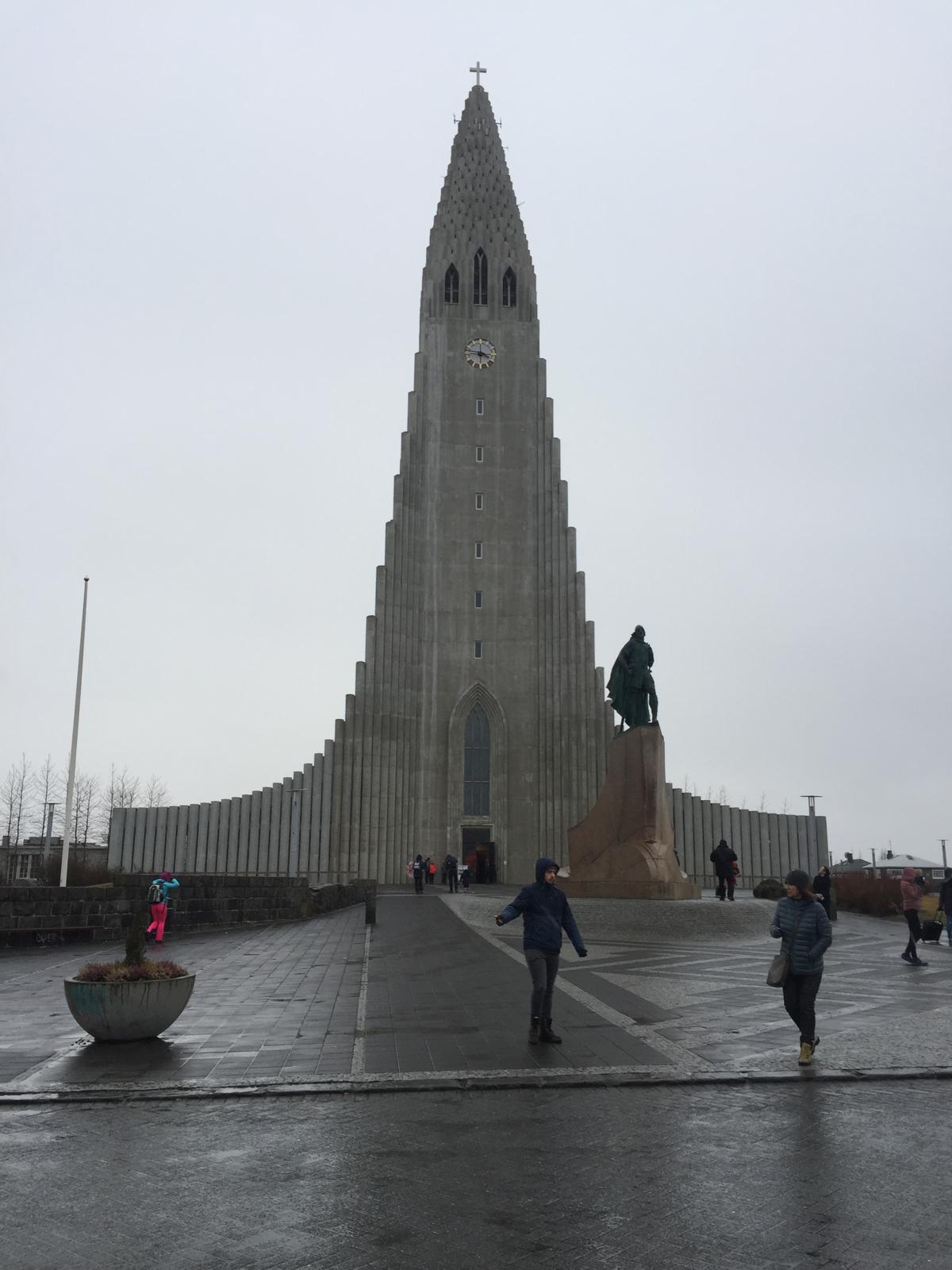
The enormous church overlooking the city — take the lift for views over Reykjavík's colourful rooftops. The Leif Erikson statue stands outside.
The stunning modern glass concert hall on the waterfront — an architectural masterpiece that glitters in the northern light.
The famous steel Viking ship sculpture by the sea — one of Reykjavík's most photographed landmarks, especially at sunset.
The dome-shaped building with a brilliant glacier exhibit, Northern Lights planetarium show and a 360° viewing platform over the city.
The city lake in the centre of Reykjavík — birds, reflections of the church and parliament buildings, and a beautiful walking circuit.
The main square beside the Alþingi parliament — the heart of civic Reykjavík and the site of the famous banking crash protests in 2008.
The main shopping and café street — colourful, lively and full of Icelandic design shops, brilliant coffee and the rainbow street leading to the church.
Colourful buildings, whale watching tours departing from the pier, excellent fish restaurants and views across to Mount Esja.
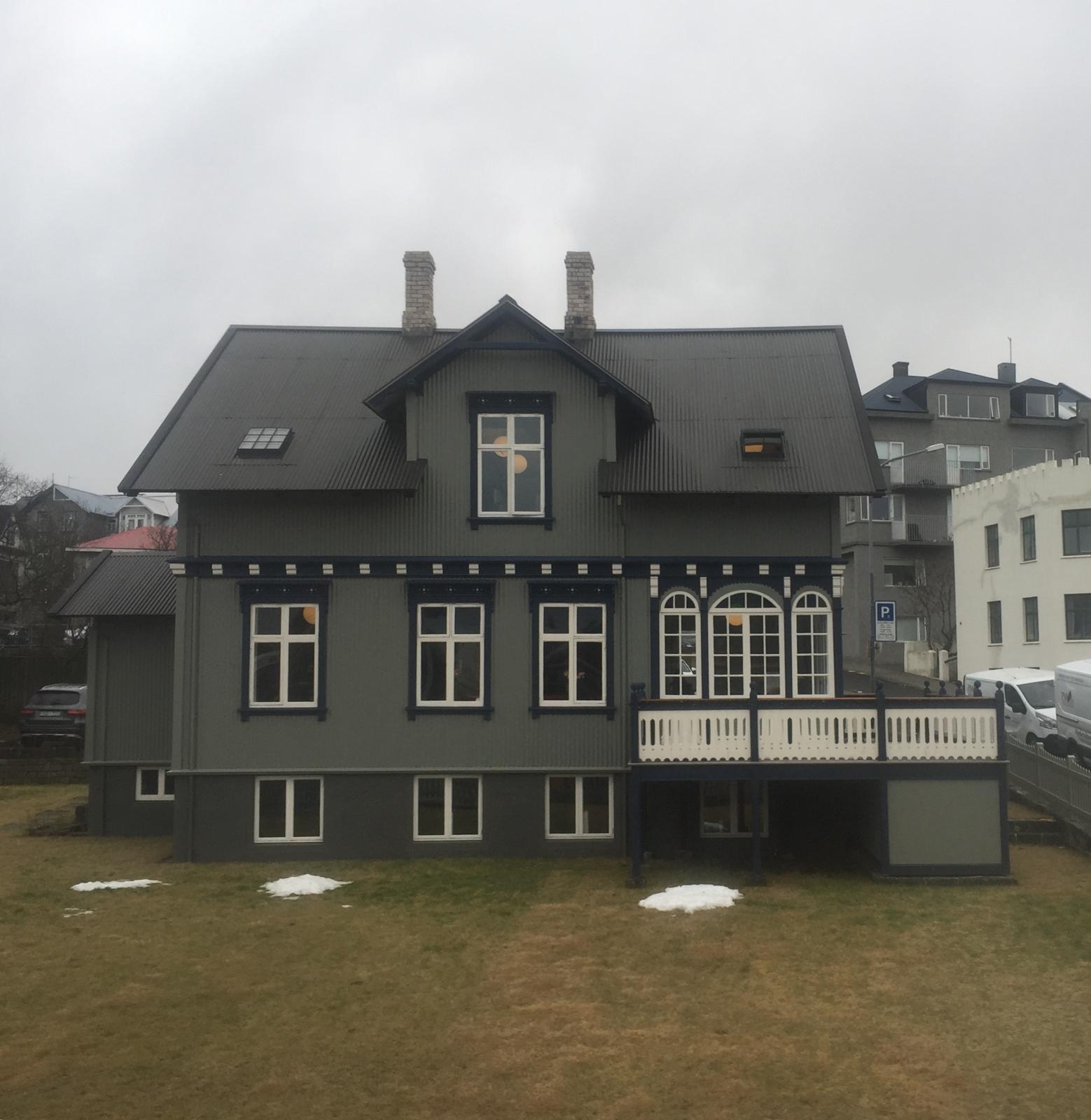
The historic house where Reagan and Gorbachev met in 1986 — a genuinely significant Cold War landmark on the Reykjavík waterfront.
The moments that stood out most
Standing in the rift valley between two continents — the boundary between North America and Eurasia — is one of the most genuinely humbling geological experiences available anywhere on earth.
Waiting for Strokkur to erupt — watching the water bubble and bulge — and then the explosion with no warning. Every single time a gasp from the crowd. Completely mesmerising.
The path behind the waterfall — the roar, the mist, the extraordinary light. You emerge completely soaked and completely delighted. One of the great waterfall experiences in the world.
Jet black sand, basalt columns, crashing Atlantic waves and a wild, primeval atmosphere unlike any other beach in the world. Dramatic, beautiful and slightly eerie all at once.
Floating in milky turquoise geothermal water while cold Icelandic air bites at your face — one of the most memorable and most sensory travel experiences we have ever had anywhere.
The church towering over a city of colourful rooftops, the rainbow street, the Sun Voyager by the sea, the Harpa concert hall glittering on the waterfront. Reykjavík is endlessly charming.
Take a virtual drive around Reykjavík
Want to revisit Reykjavík — or get a feel for Iceland's colourful capital before you go? Drive From Home lets you virtually explore the city streets and see Reykjavík from the road, from its distinctive architecture to the everyday neighbourhoods beyond the main sights. It's a brilliant companion to our own Reykjavík memories and Iceland travel guide.
Book an Iceland tour through TourRadar
Iceland is one of those destinations where a guided tour makes an enormous difference — the distances between sites are significant, driving in Icelandic winter conditions requires experience and a good guide turns a list of waterfalls into an extraordinary story about the country. TourRadar has brilliant Iceland ring road and Golden Circle itineraries.
Disclosure: This is an affiliate link. If you book through it we may earn a small commission at no extra cost to you.
Book Iceland activities — GetYourGuide
Golden Circle day tours, Blue Lagoon entry, South Coast waterfall excursions, Reykjavík city tours, Northern Lights hunts, whale watching from the Old Harbour and glacier hikes — book in advance, especially for the Blue Lagoon.
Disclosure: If you book through this link we may earn a small commission at no extra cost to you.
Book Iceland activities on Klook
Klook has a great range of Iceland day tours, Blue Lagoon packages, airport transfers and Reykjavík experiences — brilliant for booking individual activities around your trip.
Disclosure: This is an affiliate link. If you book through it we may earn a small commission at no extra cost to you.
Common questions
Iceland FAQ
What to pack for Iceland
Iceland packing essentials
Iceland means layers, waterproofs and being ready for four seasons in one day. These are the things we'd pack without hesitation.
Essential for navigation between sites — Iceland's landscapes are vast and the distances between stops are significant.
View on Amazon →Non-negotiable. Iceland's weather changes fast and you will walk behind waterfalls — a proper waterproof is essential.
View on Amazon →For volcanic terrain, waterfall paths and black sand beaches. Ordinary trainers won't cope with Iceland's landscapes.
View on Amazon →Cold weather drains phone batteries fast. Long days between stops mean a power bank is essential for maps and photos.
View on Amazon →Iceland uses European two-pin plugs — a universal adaptor covers all your devices.
View on Amazon →Even in summer, Iceland can be cold and windy at waterfalls and viewpoints. Pack layers you can add and remove as the weather changes.
View on Amazon →Disclosure: These are Amazon affiliate links. If you buy through them we may earn a small commission at no extra cost to you.
More from around Europe
Iceland was part of a bigger European adventure — read our other guides below.
Nordic calm, beautiful harbours, the Church in the Rock and a birthday with no luggage. A brilliant Nordic city.
Read the Finland guide →Helsinki to Moscow — St Petersburg's imperial palaces, the Hermitage, Red Square and the Kremlin.
Read the Russia guide →Another Nordic country well worth the visit — fjords, Bergen and the dramatic Norwegian coastline.
Coming soon →Planning your own Iceland trip?
Browse tours on TourRadar, book your Golden Circle and Blue Lagoon on GetYourGuide and pick up activities on Klook. Book the Blue Lagoon especially well in advance — it sells out fast.
Affiliate disclosure: if you book through our links we may earn a small commission at no cost to you. We only recommend experiences we've done ourselves.